
The summer of 1944 was one of intense turmoil within Nazi Germany. On the surface, Field Marshal Erwin Rommel, the legendary Desert Fox, was focused on defending the Western Front against the Allied invasion. But beneath his stoic exterior, he was increasingly disillusioned with Hitler’s leadership. The war was lost, and Rommel knew it. The only question was how to salvage Germany’s future from total ruin.
Rommel was never a political man, nor was he one to indulge in treasonous schemes lightly. However, as reports from the Eastern Front painted a bleak picture and Hitler’s increasingly erratic decisions jeopardized any chance of an honorable peace, the general found himself at a crossroads. His fame and military genius made him an asset to all sides—Hitler’s regime, the military high command, and the growing German resistance.
Whispers of Treason
By mid-July, Rommel’s name was being spoken in hushed tones among the conspirators of Operation Valkyrie, the audacious plot to assassinate Hitler and wrest control of the Third Reich from the Nazis. The plan, meticulously crafted by Colonel Claus von Stauffenberg and other high-ranking officers, aimed to use the army’s reserve forces to stage a coup once Hitler was dead.
Rommel’s involvement in the plot remains one of history’s great debates. Some historians argue that he was informed of the conspiracy but did not actively participate in its planning. Others believe he was considered a potential leader in the post-Hitler government, a figurehead who could rally the Wehrmacht and broker a peace deal with the Western Allies.
One thing was clear—Rommel disliked Hitler’s recklessness. His aides had heard him speak openly about the need to end the war before Germany was completely destroyed. But was he willing to go as far as assassination?
A Dangerous Proposal
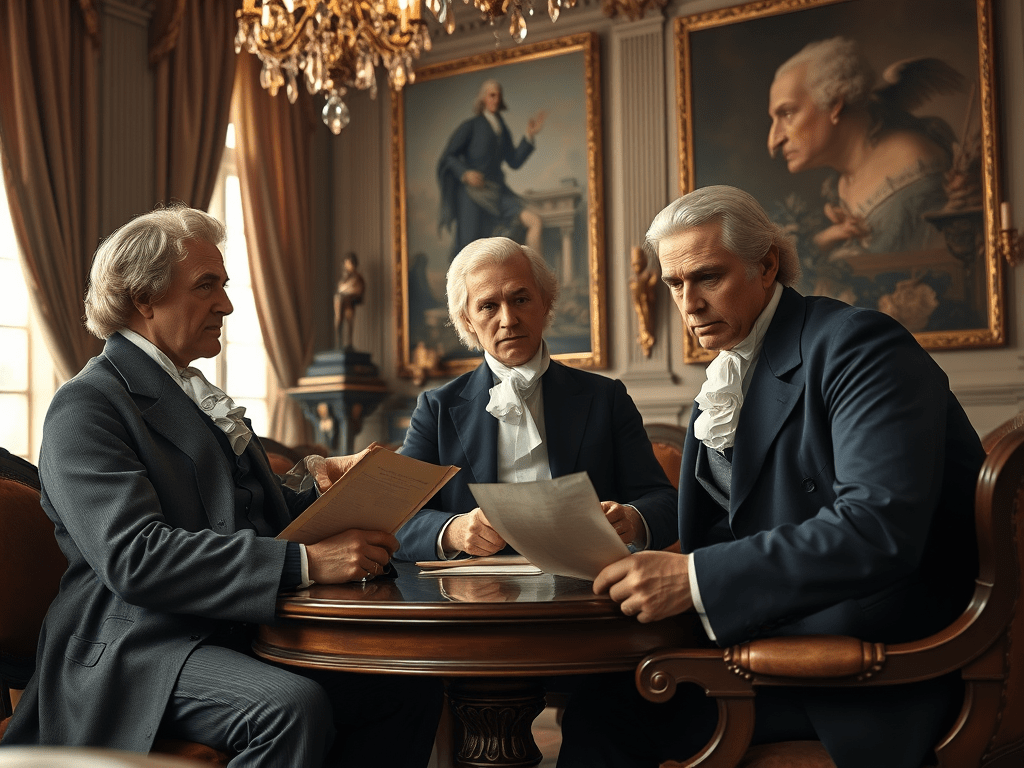
One fateful evening, in the quiet of his headquarters in La Roche-Guyon, Rommel met with a trusted officer who carried a veiled message from the conspirators.
“The Führer must be removed,” the officer whispered. “Without him, Germany can be saved.”
Rommel remained silent, staring out the window at the distant sounds of artillery fire. He was a soldier, not a politician. The very idea of assassinating Germany’s leader was abhorrent, yet Hitler’s refusal to negotiate peace condemned thousands to senseless slaughter.
“If he dies,” Rommel finally said, “what happens next? Chaos? Civil war?”*
“The reserve army will seize Berlin. We have men in place. We need you, Field Marshal.”**
Rommel exhaled, his mind racing. He did not give a definitive answer that night, but the conversation haunted him in the days that followed.
The Failed Coup and the Reckoning
On July 20, 1944, Stauffenberg’s bomb exploded inside the Wolf’s Lair, Hitler’s fortified command post. The world held its breath. But when the dust settled, the Führer emerged, shaken but alive. The coup fell apart within hours, and a brutal purge of conspirators began.
Rommel, recovering from injuries sustained in an earlier airstrike, found himself in a perilous position. Though he had not been directly involved in the assassination attempt, his known opposition to Hitler and his contacts with conspirators made him a target.
The Price of Honor
In October 1944, two officers arrived at Rommel’s home. They bore a grim message from Berlin. He could stand trial for treason, which would condemn not only him but his family, or he could take his own life and be buried with full military honors. Hitler himself had decided his fate.
Rommel did not hesitate long. He had served Germany with pride, but he would not allow Hitler’s regime to sully his name. In a final act of defiance, he chose the poison-laced cyanide capsule offered to him. As the car carrying Rommel’s lifeless body sped toward the hospital, the Desert Fox’s legend was already beginning to take shape—a warrior betrayed by his conscience, a patriot caught in the web of tyranny. And though Operation Valkyrie had failed, his legacy endured, a reminder that even in the darkest times, honor and duty could still burn bright.
*This is speculation as there is no direct evidence to the quote.
**Again speculation as there are no direct evidence to the quote




 History in 5 Minutes or less
Leave a comment