-
 Continue reading →: The Impossible Mission: How Jimmy Doolittle and 80 Brave Men Shocked Japan
Jimmy Doolittle and 80 brave volunteers achieved the impossible in April 1942: launching land-based B-25 bombers from an aircraft carrier to strike Tokyo. This audacious mission was not a major military victory, but it delivered a psychological blow, forcing Japan to reconsider its defenses and boosting American morale after Pearl…
-
 Continue reading →: “Don’t Worry About It”: The Three Tragic Words That Cost Pearl Harbor Everything
On December 7, 1941, Japan launched a surprise aerial strike on the U.S. Pacific Fleet at Pearl Harbor, Hawaii. The attack destroyed key battleships like the USS Arizona, killed 2,403 Americans, and ended U.S. isolationism, thrusting the “sleeping giant” into World War II with a unified, vengeful resolve.
-
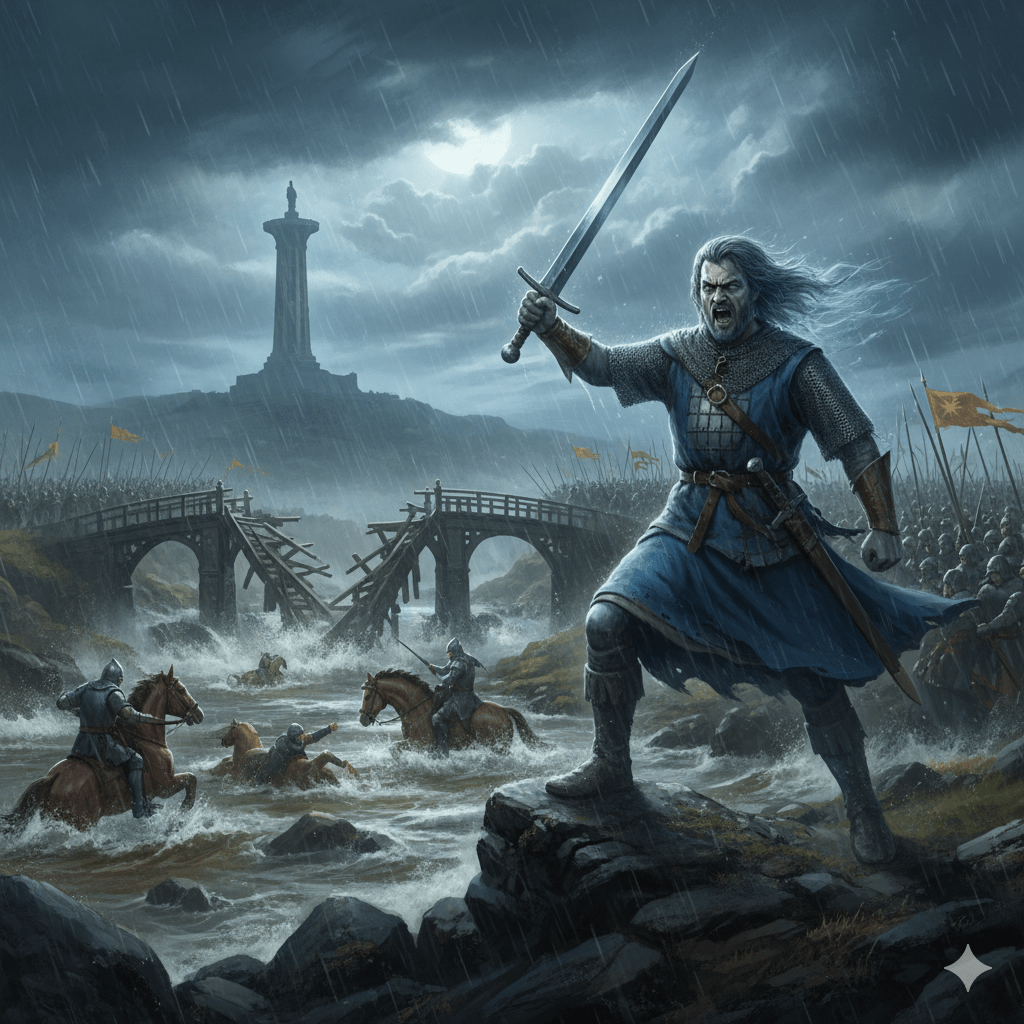 Continue reading →: Beyond the Blue Paint: The Bloody Rise and Martyrdom of William Wallace, the Unyielding Heart of Scotland
William Wallace was a 13th-century Scottish knight who led a grassroots rebellion against King Edward I. After a brilliant victory at Stirling Bridge, he became a national symbol of resistance. Though defeated at Falkirk and executed for treason, his martyrdom fueled Scotland’s eventual independence under Robert the Bruce.
-
 Continue reading →: The Ghost Attack: How a Cloudy Radar Screen Sparked the Vietnam War
In 1964, a skirmish involving the USS Maddox and unconfirmed “ghost” radar blips on a stormy night were branded as unprovoked North Vietnamese aggression. This “incident” prompted the Tonkin Gulf Resolution, granting President Johnson a blank check to escalate the Vietnam War—a conflict built on intelligence that never actually existed.
-
 Continue reading →: The Peasant Who Crowned a King: The Miraculous Rise and Tragic Fall of Joan of Arc
Joan of Arc, a teenage peasant guided by divine visions, defied medieval social norms to lead the French army to miraculous victories against England. After crowning King Charles VII, she was captured, tried for heresy, and burned at the stake. Today, she remains a timeless symbol of courage and conviction.
-
 Continue reading →: Atomic Hearts and Cold War Shadows: The Tragic Spy Saga of the Rosenberg’s
In the height of the Cold War, Julius and Ethel Rosenberg were executed for passing atomic secrets to the Soviets. Their story is a chilling blend of ideological fervor, family betrayal, and political hysteria. Declassified files later revealed a messy truth: Julius was guilty, but Ethel was a tragic pawn.
-
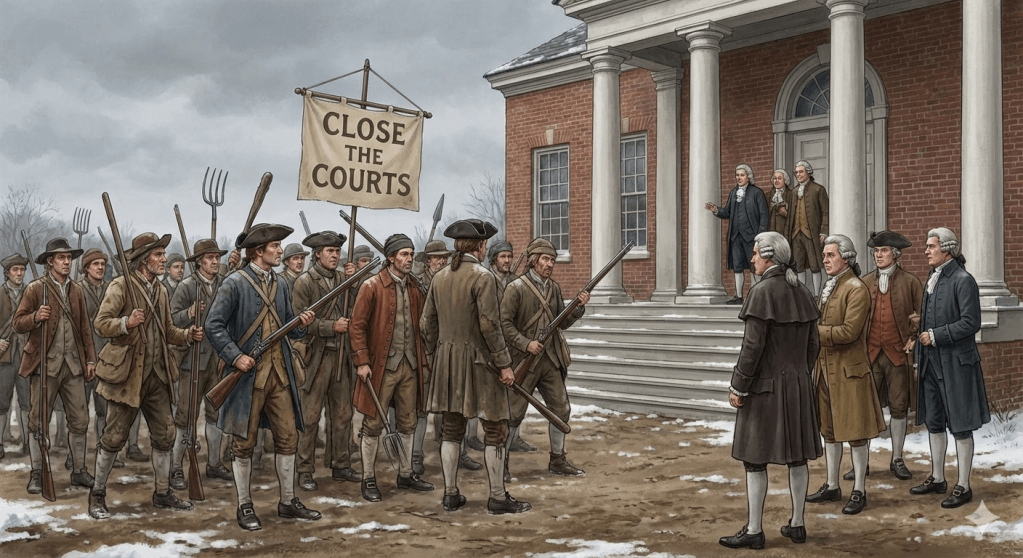 Continue reading →: From Patriots to Outlaws: The Shocking True Story of the Rebellion That Nearly Broke America
In 1786, debt-stricken Revolutionary veterans led by Daniel Shays revolted against aggressive Massachusetts taxes. Though their raid on the Springfield Arsenal was crushed, the uprising’s chaos exposed the federal government’s fatal weaknesses. This instability terrified the Founding Fathers, directly catalyzing the Constitutional Convention and shaping the modern United States.
-
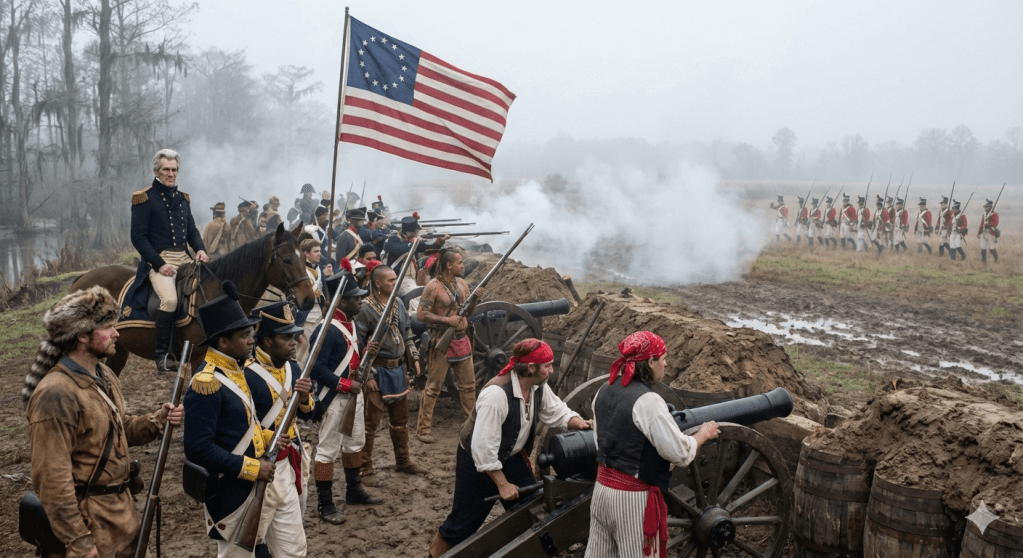 Continue reading →: The Muddy Miracle of New Orleans: How Andrew Jackson and a Band of Misfits Won a War That Was Already Over
In January 1815, Andrew “Old Hickory” Jackson led a ragtag army of frontiersmen, pirates, free Black soldiers, and Choctaws to crush a superior British force at New Orleans. Despite the war’s end via the Treaty of Ghent weeks earlier, this stunning victory—2,000+ British casualties to just 71 American—made Jackson a…
-
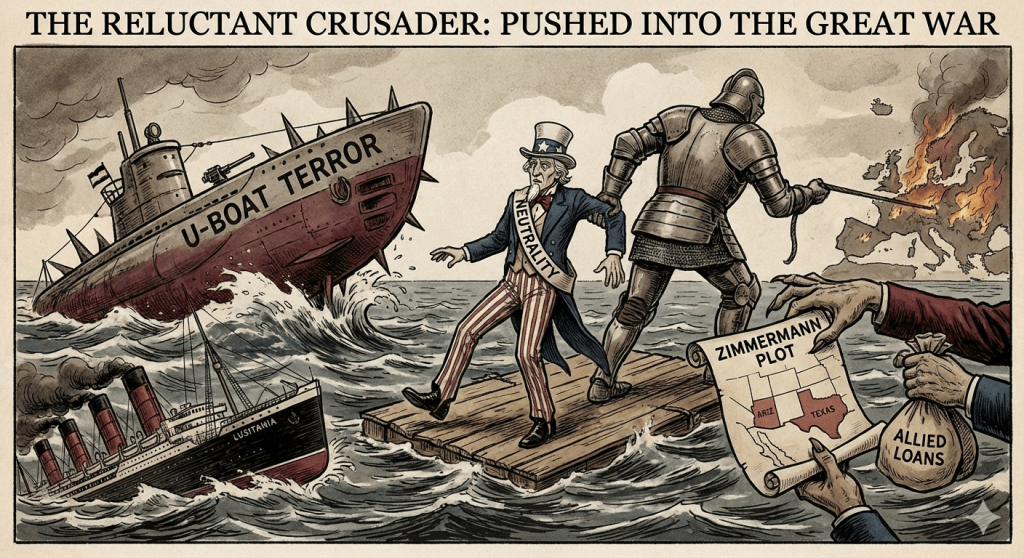 Continue reading →: The Spy, the Submarine, and the Secret Telegram: How a Reluctant America Joined the Great War
The U.S. entry into World War I was a complex process driven by economic ties, diplomatic tensions, and public outrage following events like the Lusitania sinking and the Zimmermann Telegram. President Wilson, initially advocating neutrality, ultimately reframed the conflict as a moral imperative, leading to the declaration of war on…
-
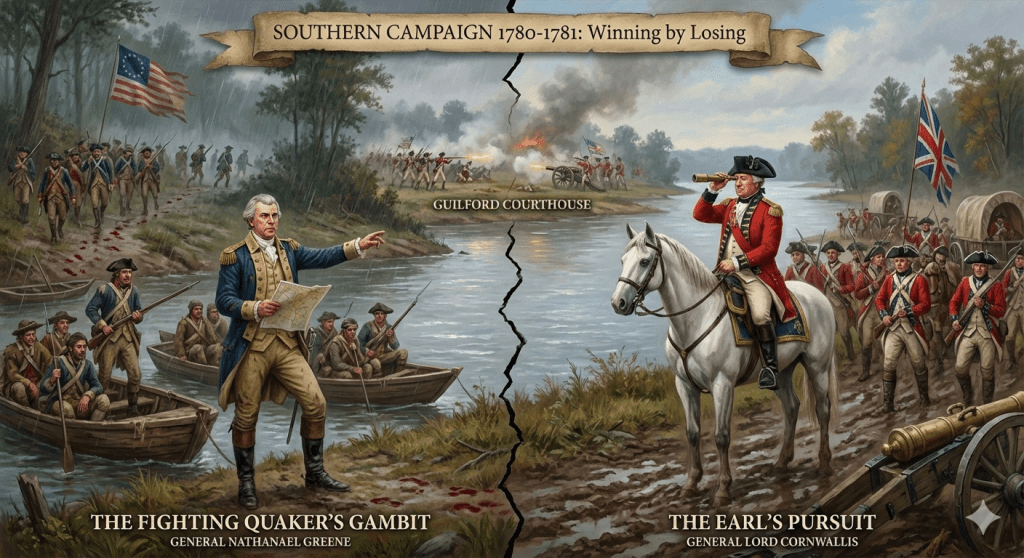 Continue reading →: The Blacksmith and the Earl: How Nathanael Greene Won the Revolution by Losing Every Battle
Nathanael Greene, the “Fighting Quaker,” saved the Revolution by out-maneuvering Lord Cornwallis across the South. Using a brilliant strategy of attrition and the grueling “Race to the Dan,” Greene exhausted the British. Though he technically lost battles like Guilford Courthouse, he bled the enemy dry, paving the way for Yorktown.
Welcome to History in 5!
This blog is dedicated to the hidden, fascinating stories you didn’t learn in your high school history class. Each story is designed to be read in 5 minutes or less—perfect for the history lover on the go!
Dive in, and discover the untold tales that make history truly come alive!
- Age of Exploration (1)
- America Frontier (2)
- American Revolutiuon (11)
- Ancient Greece (4)
- Ancient History (2)
- Automobiles (1)
- Cars (1)
- Christmas (1)
- Civil Rights (1)
- Civil War (7)
- Cold War (9)
- Duels (1)
- Early 20th Century (4)
- Early American Republic (2)
- Emperors (4)
- European History (1)
- Folklore (1)
- founding fathers (2)
- Haunted Houses (1)
- Heists (1)
- Historical Mysteries (1)
- Korean War (1)
- Mexican American War (1)
- Mexican History (1)
- Middle Ages (3)
- Military (21)
- Movies (9)
- Pirates (4)
- Roman Empire (7)
- Scandals (1)
- Space Race (1)
- Spanish American War (1)
- Texas Independence (1)
- The American West (1)
- The Gilded Age (4)
- The Knight Templar (1)
- The Knights Templar (1)
- The Unexplained (6)
- US Presidents (19)
- Vietnam War (3)
- War of 1812 (1)
- Wild West (9)
- World War I (4)
- World War II (23)
Recent posts
-
The Impossible Mission: How Jimmy Doolittle and 80 Brave Men Shocked Japan
-
“Don’t Worry About It”: The Three Tragic Words That Cost Pearl Harbor Everything
-
Beyond the Blue Paint: The Bloody Rise and Martyrdom of William Wallace, the Unyielding Heart of Scotland
-
The Ghost Attack: How a Cloudy Radar Screen Sparked the Vietnam War
-
The Peasant Who Crowned a King: The Miraculous Rise and Tragic Fall of Joan of Arc
-
Atomic Hearts and Cold War Shadows: The Tragic Spy Saga of the Rosenberg’s
- March 2026
- February 2026
- January 2026
- December 2025
- November 2025
- October 2025
- September 2025
- August 2025
- July 2025
- June 2025
- May 2025
- April 2025
- March 2025
- February 2025
- January 2025
- December 2024
- November 2024
- May 2024
- April 2024
- March 2024
- February 2024
- January 2024
| M | T | W | T | F | S | S |
|---|---|---|---|---|---|---|
| 1 | ||||||
| 2 | 3 | 4 | 5 | 6 | 7 | 8 |
| 9 | 10 | 11 | 12 | 13 | 14 | 15 |
| 16 | 17 | 18 | 19 | 20 | 21 | 22 |
| 23 | 24 | 25 | 26 | 27 | 28 | 29 |
| 30 | 31 | |||||
 History in 5 Minutes or less