-
How Washington Resolved the Newburgh Crisis
Published by
on
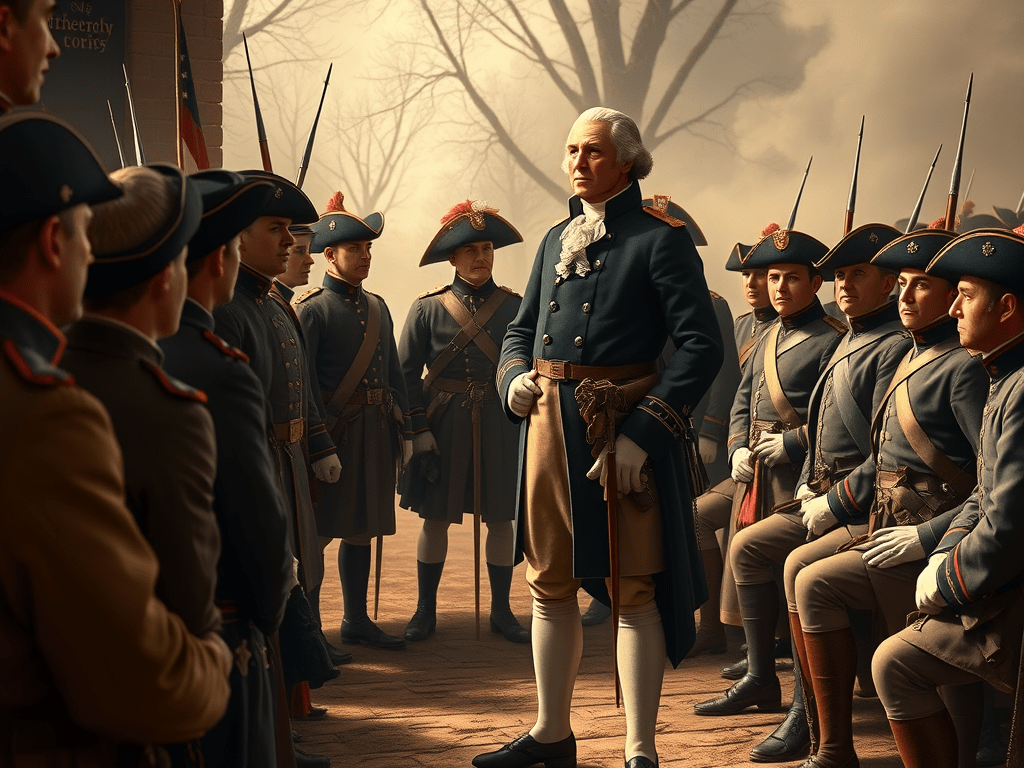 Continue reading →: How Washington Resolved the Newburgh Crisis
In March 1783, facing frustration over unpaid salaries and scarce provisions, Continental Army officers gathered in Newburgh, New York, where George Washington addressed their grievances. Demonstrating vulnerability, he urged loyalty to Congress, transforming dissent into unity. This pivotal moment solidified Washington’s leadership and inspired the officers to continue fighting for…
-
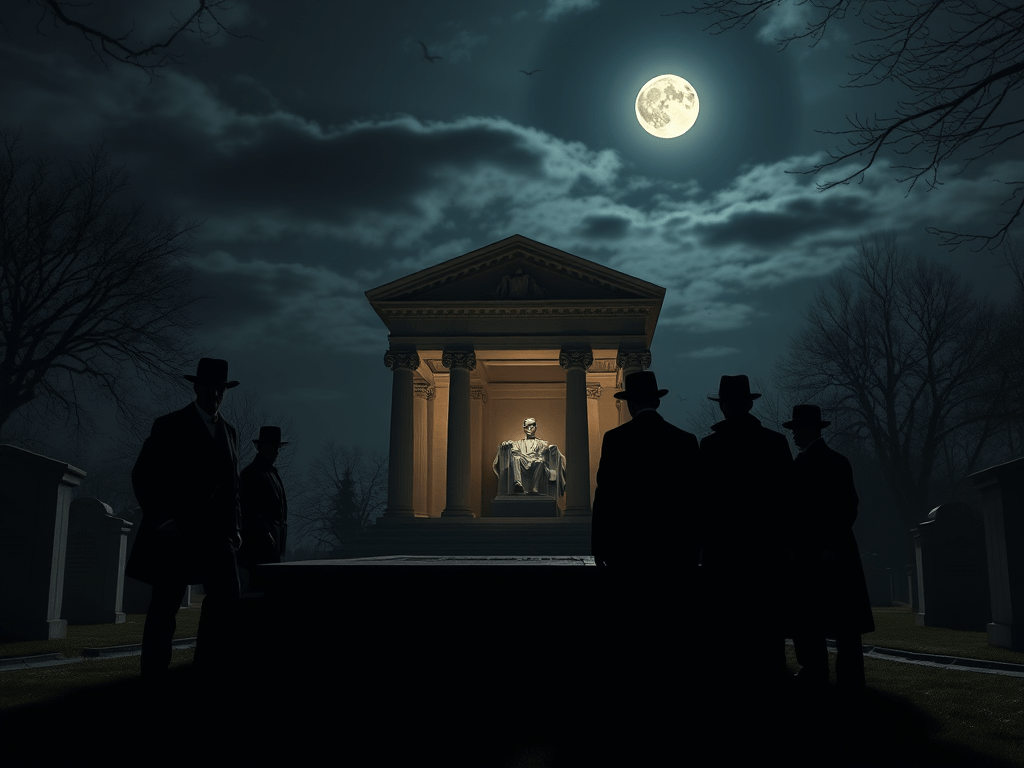 Continue reading →: The Bizarre Plot to Steal Lincoln’s Body in 1876
This is a fascinating tale of intrigue, political tension, and high-stakes crime intertwined with the very fabric of American history! The election of 1876, while a source of national controversy in its own right, serves as the backdrop for an audacious and bizarre plot to steal the body of Abraham…
-
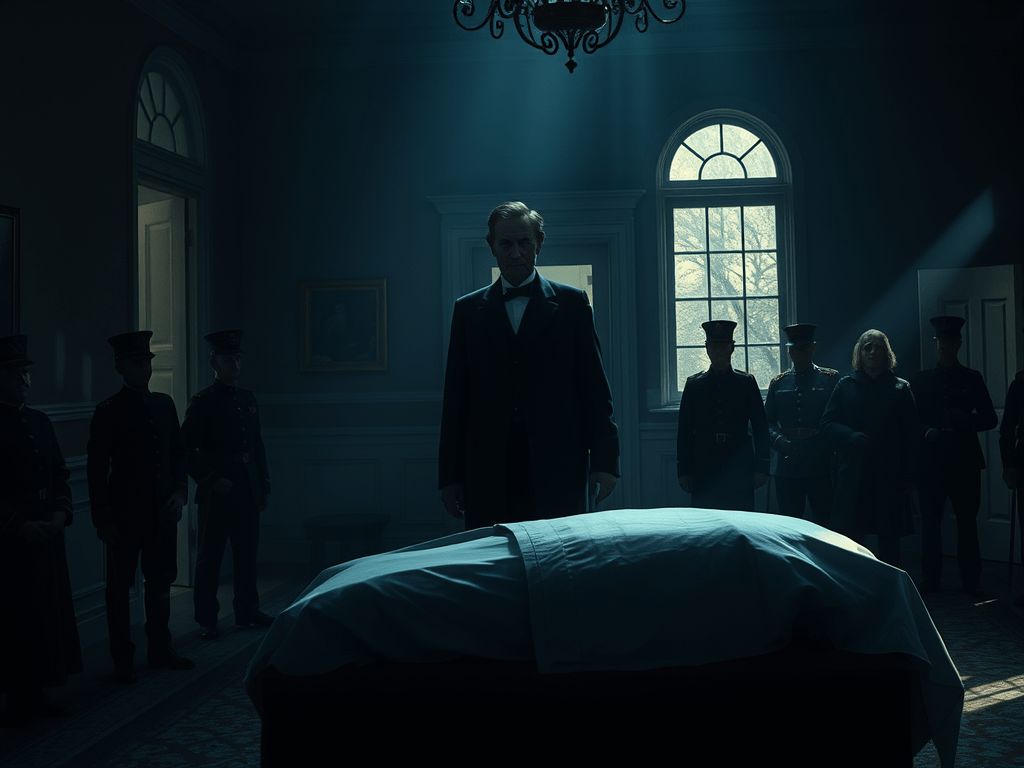 Continue reading →: Abraham Lincoln’s Chilling Dream: Did He Foresee His Fate?
Did Abraham Lincoln Predict His Own Death?Abraham Lincoln is often remembered for his wisdom, leadership, and courage during the darkest days of the American Civil War. Yet, there’s a more mysterious side to his legacy, one that suggests the possibility that Lincoln himself may have predicted his own death. According…
-
 Continue reading →: How the Tizard Mission Changed the Course of WWII
In August 1940, amid World War II, Britain sought American support to bolster its defenses against Nazi Germany. Sir Henry Tizard led the Tizard Mission, delivering advanced British technologies, including radar and jet propulsion, to the U.S. This collaboration significantly enhanced Allied capabilities, ultimately establishing the U.S. as a technological…
-
 Continue reading →: Madam President or Devoted Wife?
On October 2, 1919, President Woodrow Wilson suffered a severe stroke, leaving him incapacitated. His wife, Edith Wilson, assumed control over presidential duties, managing access and communication. While some viewed her actions as protective, others questioned her influence on governance. This period raised concerns about the balance of power in…
-
 Continue reading →: The Day Andrew Jackson Escaped Assassination
On January 30, 1835, President Andrew Jackson survived the first recorded assassination attempt on a sitting U.S. president. An unemployed painter, Richard Lawrence, attacked him with two misfiring pistols. Jackson’s quick reactions and self-defense efforts ensured his survival, highlighting presidential vulnerability and foreshadowing future security measures in U.S. history.
-
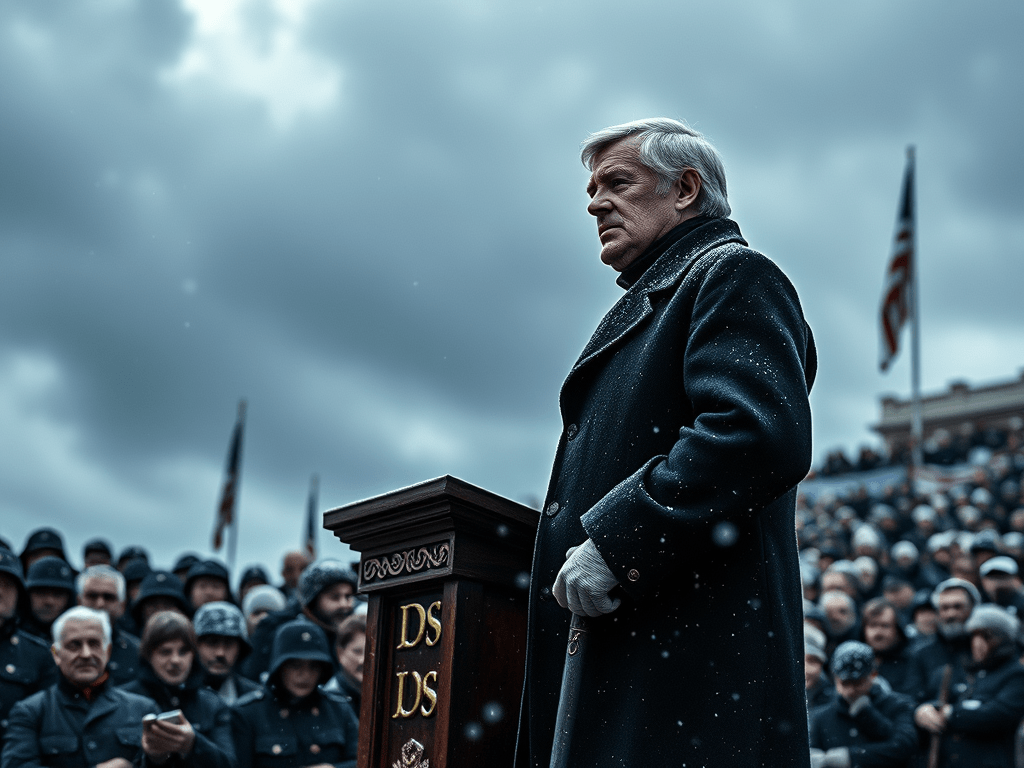 Continue reading →: Curse of Tippecanoe: Fact or Coincidence in U.S. History?
William Henry Harrison, the 9th U.S. President, died of pneumonia just 30 days into his term after delivering a lengthy inaugural address in harsh conditions, sparking theories of a “Curse of Tippecanoe.” This curse seemingly affected presidents elected in years ending in zero, fueling speculation and debate regarding its origins…
Welcome to History in 5!
This blog is dedicated to the hidden, fascinating stories you didn’t learn in your high school history class. Each story is designed to be read in 5 minutes or less—perfect for the history lover on the go!
Dive in, and discover the untold tales that make history truly come alive!
- Age of Exploration (1)
- America Frontier (2)
- American Revolutiuon (11)
- Ancient Greece (4)
- Ancient History (2)
- Automobiles (1)
- Cars (1)
- Christmas (1)
- Civil Rights (1)
- Civil War (7)
- Cold War (8)
- Duels (1)
- Early 20th Century (4)
- Early American Republic (1)
- Emperors (4)
- European History (1)
- Folklore (1)
- founding fathers (2)
- Haunted Houses (1)
- Heists (1)
- Historical Mysteries (1)
- Korean War (1)
- Mexican American War (1)
- Mexican History (1)
- Middle Ages (1)
- Military (21)
- Movies (9)
- Pirates (4)
- Roman Empire (7)
- Scandals (1)
- Space Race (1)
- Spanish American War (1)
- Texas Independence (1)
- The American West (1)
- The Gilded Age (4)
- The Knight Templar (1)
- The Knights Templar (1)
- The Unexplained (6)
- US Presidents (19)
- Vietnam War (2)
- War of 1812 (1)
- Wild West (9)
- World War I (4)
- World War II (21)
Recent posts
-
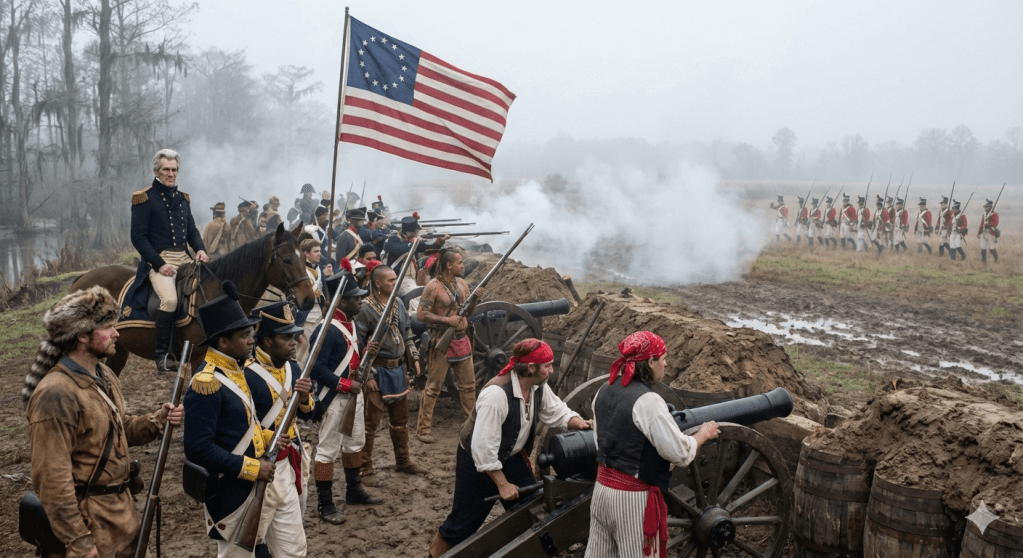
The Muddy Miracle of New Orleans: How Andrew Jackson and a Band of Misfits Won a War That Was Already Over
-
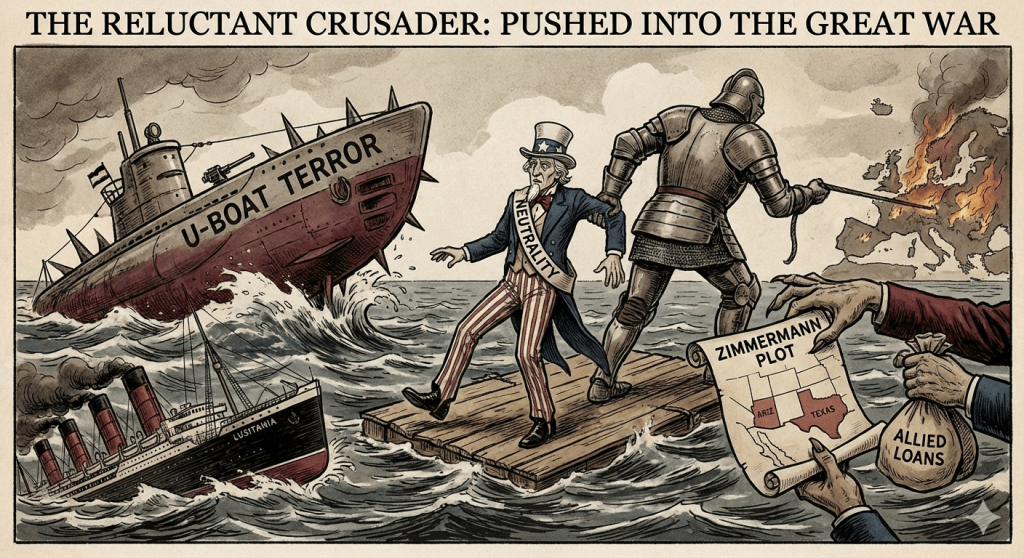
The Spy, the Submarine, and the Secret Telegram: How a Reluctant America Joined the Great War
-
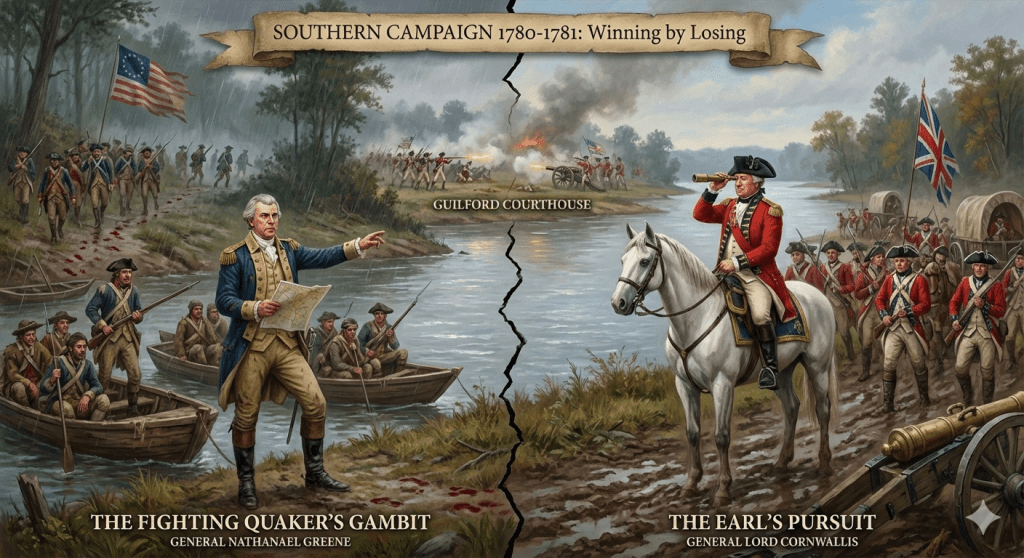
The Blacksmith and the Earl: How Nathanael Greene Won the Revolution by Losing Every Battle
-

The Patriot: 5 things the move got right and 5 things that were a stretch.
-
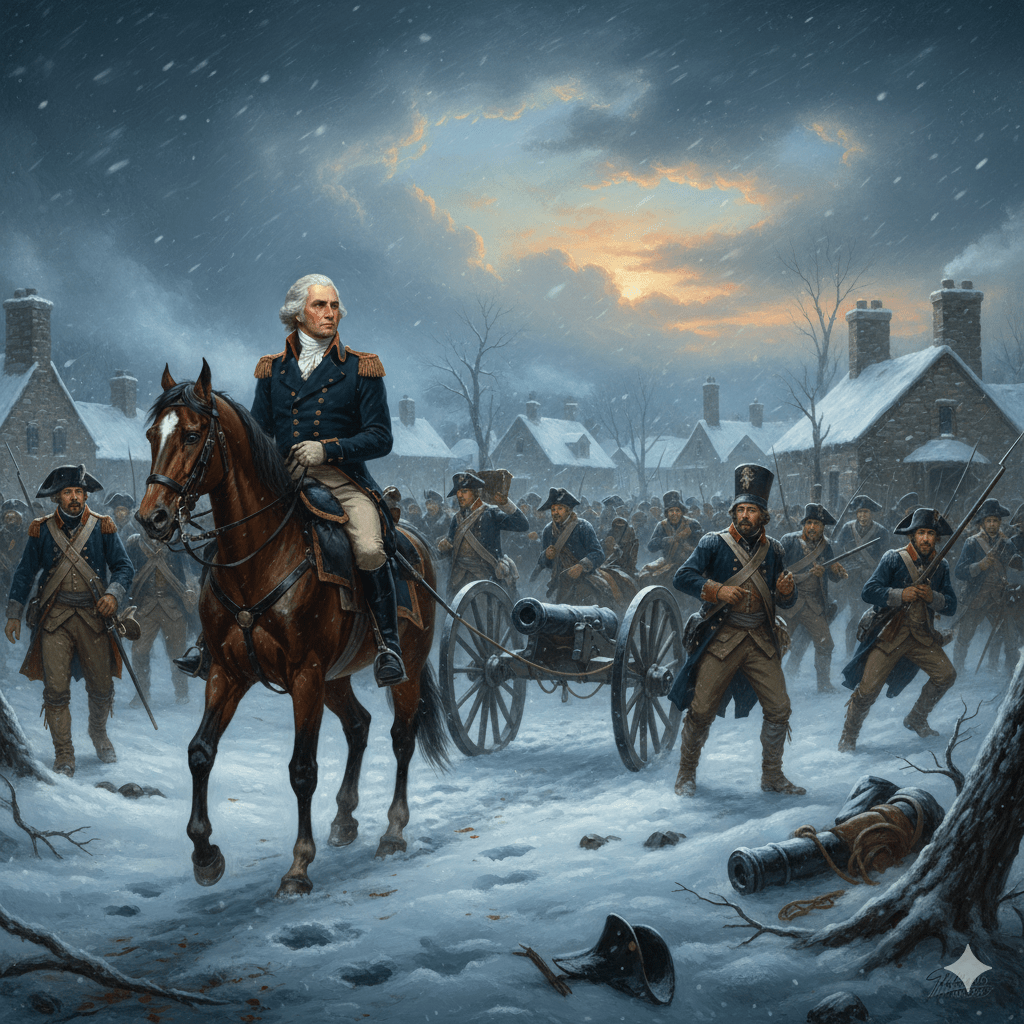
The Christmas Miracle: Washington’s Daring Dash to Trenton
-
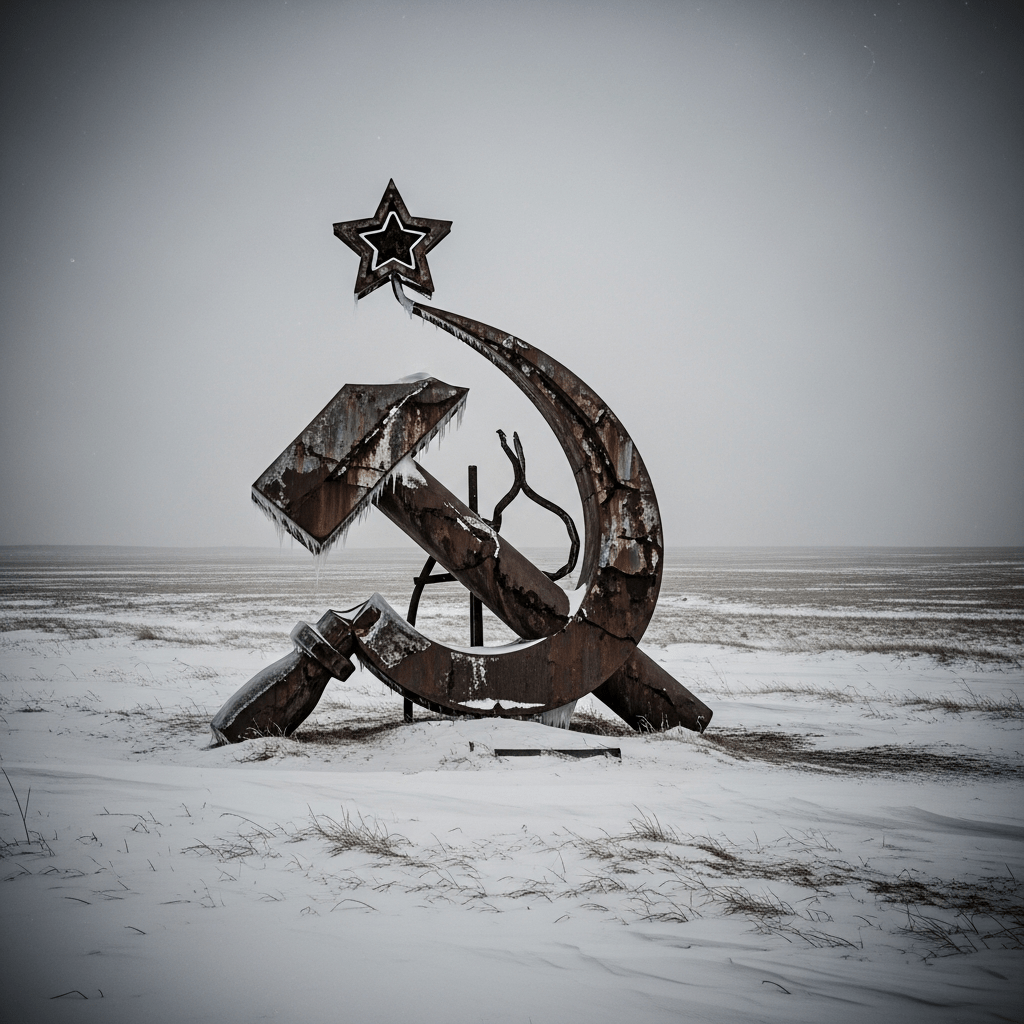
The Fall of the Soviet Union Part III: Revolution from Above (1990–1991): The Final Days
- January 2026
- December 2025
- November 2025
- October 2025
- September 2025
- August 2025
- July 2025
- June 2025
- May 2025
- April 2025
- March 2025
- February 2025
- January 2025
- December 2024
- November 2024
- May 2024
- April 2024
- March 2024
- February 2024
- January 2024
 History in 5 Minutes or less