
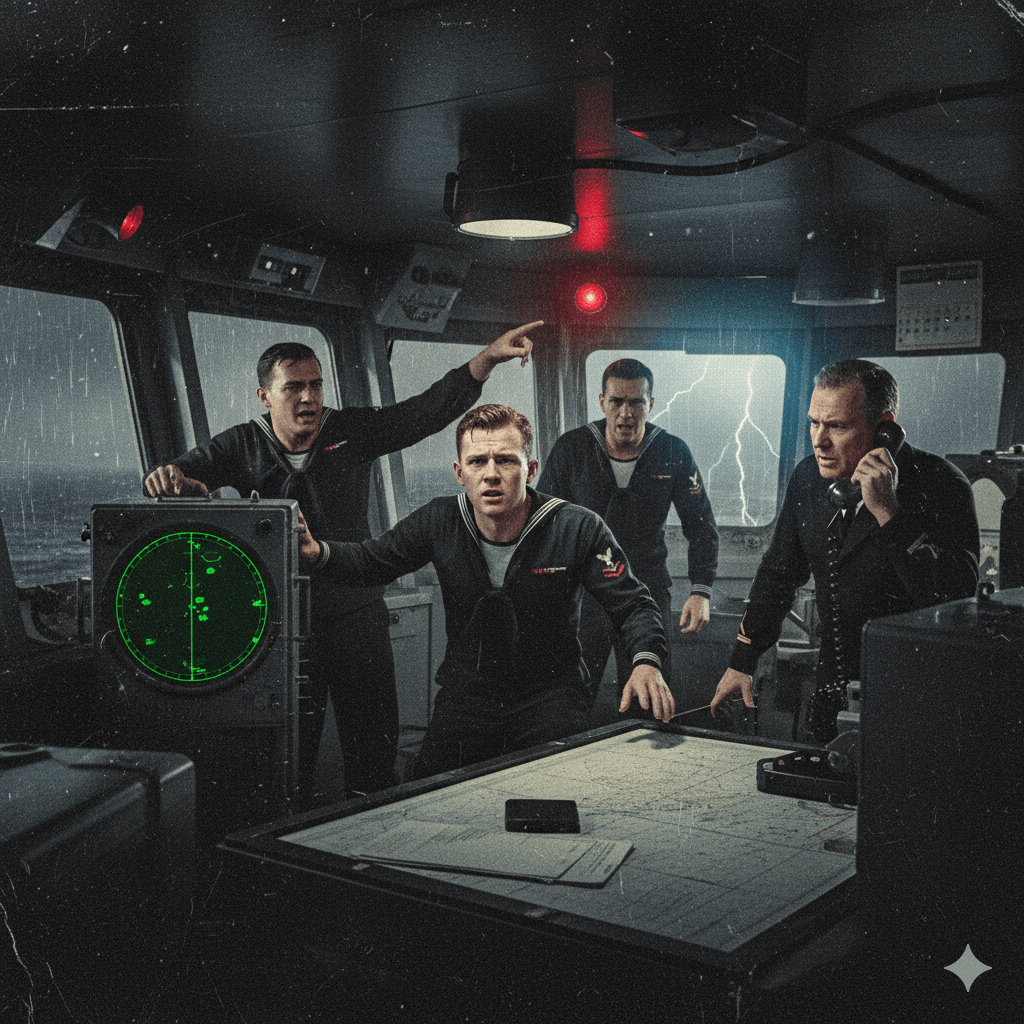
It is mid-February 1898, a quiet and calm evening in the Harbor of Havana. It’s a typical Tuesday evening for the crew of USS Maine where the ongoing mission is to protect American interests in Cuba. At approximately 9:40pm, and out of nowhere a loud explosion is heard by everyone in the harbor. The Maine has been hit! It happened so fast the Maine sinks to the bottom of the harbor killing 268 American sailors and outraging an American populace. Who could have done this? Most likely the attack was a preemptive strike by the Spanish further escalating tensions. Or was it?
Background: Tensions Between the U.S. and Spain
At the time of the Maine’s sinking, the United States had grown ever more concerned about Spain’s colonial rule over Cuba. The Cuban War of Independence had been raging since 1895, with Cuban rebels fighting for freedom from Spanish rule. The brutality of Spanish under General Valeriano Weyler, who used concentration camps to control the civilian population, drew widespread condemnation, including the American press. Journalists, particularly those associated with the yellow press* led by figures William Randolph Hearst and Joseph Pulitzer exaggerated Spanish atrocities, stirring public sympathy for the Cuban rebels and increasing anti-Spanish sentiment. In addition, The U.S. had economic interests in Cuba and there was a growing desire among American policymakers to intervene. The situation became more serious as both the United States and Spain engaged in a diplomatic standoff over the future of Cuba.
The USS Maine and Its Mission
The USS Maine was a second-class battleship** commissioned by the U.S. Navy. It was part of a larger program to modernize the fleet, and its deployment to Havana was meant to serve as a show of force in the tense Cuban situation. The ship was sent to Cuba’s capital to protect American citizens and property during the ongoing Cuban conflict.
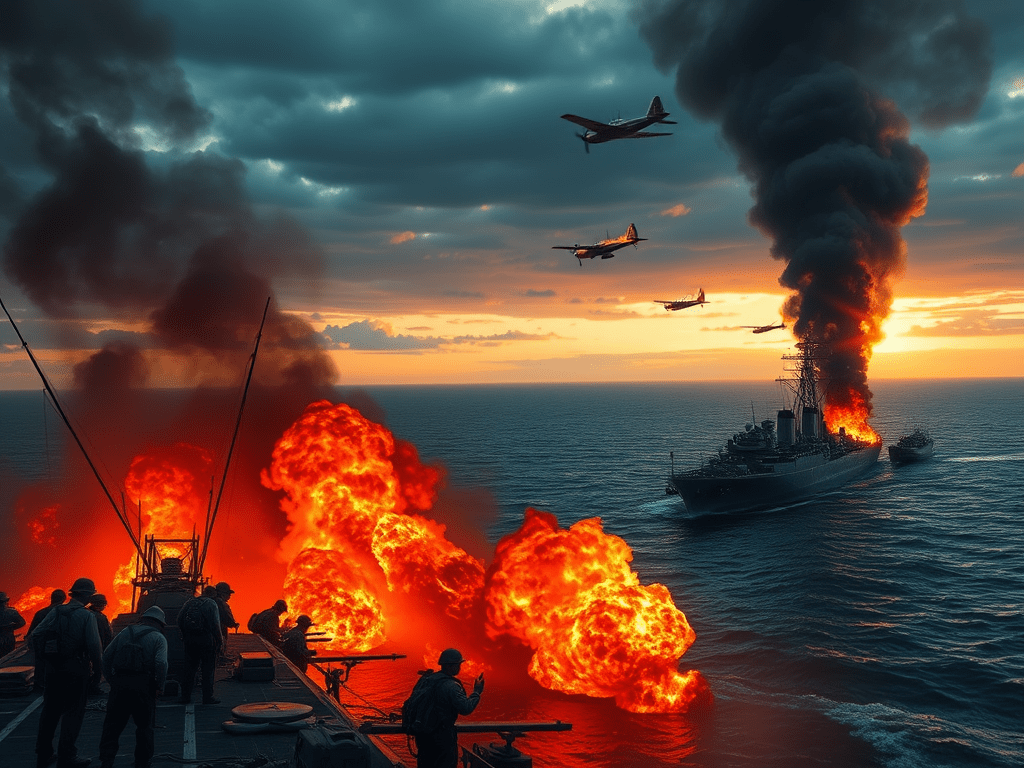
On the evening of February 15, 1898, the Maine was anchored in Havana Harbor. At approximately 9:40 p.m., an explosion occurred, tearing apart the ship and causing a massive fire. The explosion killed 268 of the 354 crew members aboard the ship. The explosion was so powerful it broke the ship in half. The Maine quickly sank, with much of the ship’s crew trapped below deck.
The Initial Investigation: “Remember the Maine!”
In the aftermath of the sinking, the U.S. Navy conducted their investigation to determine the cause of the explosion. The investigation’s report, known as the Sampson Report, concluded that the explosion had been caused by a mine or an underwater explosive device planted by an external party, which they attributed to the Spanish.
This conclusion was largely based on the evidence that the explosion occurred in the forward part of the ship’s hull, where the ship’s magazines or storage areas for ammunition were located. The theory was a mine had detonated near the Maine, causing a chain reaction which led to the explosion.
The sinking of the Maine was a powerful symbol and became a rallying cry for American intervention. The slogan “Remember the Maine! To Hell with Spain!” was used by U.S. newspapers and politicians to stoke public outrage and build momentum for war against Spain.
The Controversy: Was Spain Responsible?
While the Sampson Report concluded the explosion was caused by an external mine, there were some who questioned this conclusion. Many believed the explosion was an accident, possibly caused by an internal malfunction, such as the ignition of the ship’s coal or a problem with the ship’s boiler. These alternative explanations gained some traction, especially after a Spanish inquiry into the sinking suggested the cause might have been internal.
In the years that followed, additional investigations were conducted, and several historians have since questioned the evidence for the Spanish sabotage theory. Some argue the explosion was likely caused by an accidental fire which ignited the ship’s magazines, rather than by an external mine. There is no definitive proof of sabotage by Spain, and the lack of clear evidence has led to the theory that the explosion was either an accident or the result of negligence.
The Impact on U.S. Public Opinion
Regardless of the true cause, the explosion of the Maine had a profound effect on U.S. public opinion. The yellow press used the incident to inflame anti-Spanish sentiment. Newspapers like William Randolf Hearst’s San Francisco’s Examiner and Joseph Pulitzer’s New York World printed inflammatory headlines accusing Spain of being responsible for the attack. The press played a major role in creating a climate of public anger and fear, which made it politically difficult for the U.S. government to avoid war.
Many Americans, already sympathetic to the Cuban independence movement and frustrated by Spain’s brutality in its colonies, were easily swayed by the call for revenge. Although not everyone in the U.S. believed Spain was responsible, the cry for action “Remember the Maine!” became a rallying point for those advocating for war.
The Spanish-American War
Within two months of the sinking, the United States declared war on Spain on April 25, 1898. The U.S. Navy, led by Admiral George Dewey quickly defeated the Spanish fleet in the Battle of Manila Bay in the Philippines, marking a decisive victory. In the Caribbean, American forces invaded Cuba and Puerto Rico, defeating Spanish forces there as well. The war ended in a matter of months, with the Treaty of Paris signed on December 10, 1898. Spain relinquished control of Cuba, Puerto Rico, Guam, and the Philippines to the United States. The Spanish-American War marked the emergence of the U.S. as a world power with overseas territories.
The Legacy of the USS Maine and Its Sinking
The sinking of the Maine remains a deeply symbolic event in American history. It galvanized the United States into war and marked the end of Spain’s colonial empire in the Americas.
“Remember the Maine!” became a slogan which resonated long after the war, symbolizing the resolve of the American people and their willingness to go to war in defense of national honor.
However, as time has passed, the true cause of the explosion has remained elusive. Historians continue to debate whether the explosion was a result of sabotage or an accident. Nonetheless, the event’s political and historical significance cannot be denied. It set in motion the events that led to the United States emerging as a global military power.
Conclusion: A Catalyst for U.S. Expansion
The sinking of the USS Maine remains a powerful example of how an isolated incident, whether intentional or accidental, can be transformed into a rallying cry for war. The event underscored the emerging role of the United States on the global stage and marked a turning point in U.S. foreign policy, as the nation began to take a more active role in international conflicts and territorial expansion. While the exact cause of the Maine’s explosion may never be known for certain, its legacy is firmly tied to the rise of the United States as an imperial power in the late 19th and early 20th centuries.
*Yellow Press is a style of newspaper reporting that emphasizes sensationalism over facts
** A warship that is smaller, faster, and less heavily armed and armored than a first-class battleship
Sources:
A&E Television Networks. (n.d.-a). Spanish‑American War: Causes, battles & timeline. History.com. https://www.history.com/topics/early-20th-century-us/spanish-american-war
A&E Television Networks. (n.d.). The USS Maine explodes in Cuba’s Havana harbor | February 15, 1898. History.com. https://www.history.com/this-day-in-history/the-maine-explodes
John Duncan is the author of The Sea Chain. (2023, April 3). Remember the Maine, One more time. U.S. Naval Institute. https://www.usni.org/magazines/naval-history-magazine/1990/april/remember-maine-one-more-time

 History in 5 Minutes or less
Leave a comment