
In early 1863, as the American Civil War raged on, a groundbreaking experiment unfolded in Massachusetts. For the first time, a regiment of African American soldiers was formed in the Union Army, led by white officers and under the watchful eye of a skeptical nation. The 54th Massachusetts Volunteer Infantry, commanded by Colonel Robert Gould Shaw, symbolized hope for abolitionists and African Americans eager to prove their courage and loyalty to the Union cause.
The men who enlisted in the 54th were a diverse group, hailing from across the Northern states and even Canada. Many were free men, while others were formerly enslaved individuals who had fled to freedom. Despite doubts about their ability to fight, these soldiers trained relentlessly, determined to silence their critics and make history.
The Road to Glory: Orders for Fort Wagner
By July 1863, the 54th Regiment was ready for battle. Their orders were daunting: to lead an assault on Fort Wagner, a Confederate stronghold guarding the entrance to Charleston Harbor. Fort Wagner was a formidable fortress, surrounded by sand dunes, trenches, and marshland. It was heavily fortified with cannons and defended by seasoned Confederate troops.
The soldiers of the 54th understood the odds were against them. Yet, they saw this as an opportunity to prove their mettle and fight not only for the Union but for the freedom and dignity of their race. Colonel Shaw, just 25 years old, shared their determination. He inspired his men with a speech reminding them that their bravery could change the course of history.
Into the Fray: The Assault on Fort Wagner
On the evening of July 18, 1863, the 54th Regiment gathered near the fort, ready to attack. As the sun dipped below the horizon, the soldiers began their march through the darkened sands. Cannon fire illuminated the sky, and the thunderous roar of artillery filled the air.
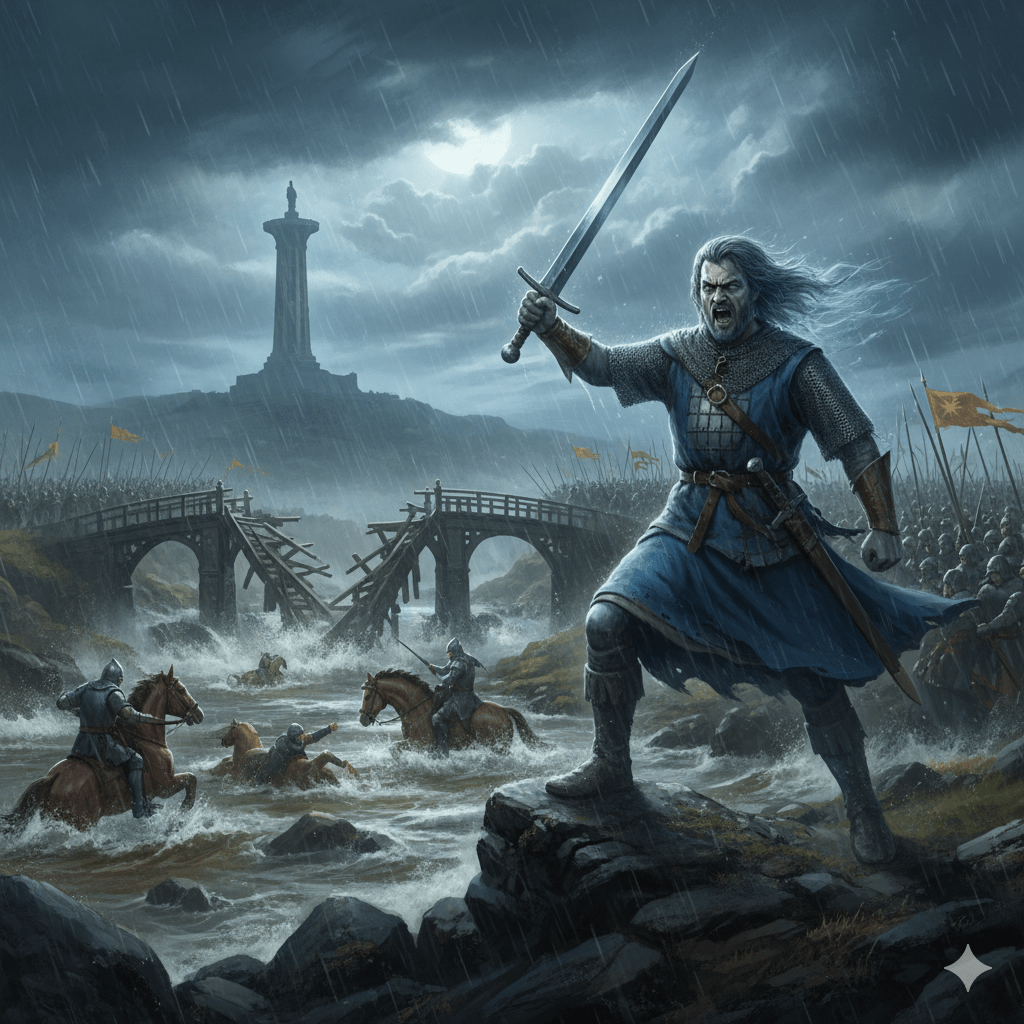
Leading the charge, Colonel Shaw and his men advanced under a hail of gunfire and exploding shells. Despite the chaos, they pushed forward, scaling the steep walls of the fort. The battle was ferocious, with hand-to-hand combat breaking out above the fortifications. Soldiers shouted orders, prayers, and cries of defiance as they fought against overwhelming odds.
Amid the carnage, Colonel Shaw fell, struck down while leading his men. Inspired by his bravery, the soldiers of the 54th continued to press the attack. Though they reached the walls and fought valiantly, they were ultimately repelled. The cost was devastating, nearly half of the regiment was killed, wounded, or captured.
Legacy of Bravery: The Aftermath
Though the assault on Fort Wagner was a tactical defeat for the Union, it was a symbolic victory for the 54th Regiment and the broader struggle for racial equality. Their courage and sacrifice silenced critics who doubted the abilities of African American soldiers. Newspapers across the North praised their heroism, and their story inspired thousands of African Americans to enlist in the Union Army.
The 54th’s actions also influenced public opinion on emancipation and the role of African Americans in the war. Their bravery underscored the moral imperative of the Union’s cause and strengthened the resolve to end slavery once and for all.
Immortalized in History
Today, the legacy of the Massachusetts 54th Regiment lives on. Their story has been commemorated in monuments, books, and films, most notably the 1989 movie Glory. The soldiers of the 54th proved that courage knows no color and that freedom is a cause worth any sacrifice.
The attack on Fort Wagner remains a testament to their unyielding spirit. It is a story of determination, sacrifice, and the enduring fight for justice, a chapter in history that continues to inspire generations.
Sources:
Pohanka, Brian (1955-2005), a founder of the battlefield preservation movement. (n.d.). Fort Wagner and the 54th Massachusetts volunteer infantry. American Battlefield Trust. https://www.battlefields.org/learn/articles/fort-wagner-and-54th-massachusetts-volunteer-infantry
Encyclopædia Britannica, inc. (n.d.-b). Second battle of fort wagner. Encyclopædia Britannica. https://www.britannica.com/topic/Second-Battle-of-Fort-Wagner


 History in 5 Minutes or less
Leave a comment