
A Man of Industry, A Man of Faith
John D. Rockefeller was a man of towering ambition. By the 1860s, he was already on his way to becoming the wealthiest man in America, revolutionizing the oil industry with Standard Oil. But despite his fierce business acumen, he was also deeply religious, a devout Baptist who believed his success was guided by the hand of God.
In December 1867, when Rockefeller was just 28 years old, he had a close brush with death—one that would only reinforce his belief in divine intervention.
The Train to Destiny
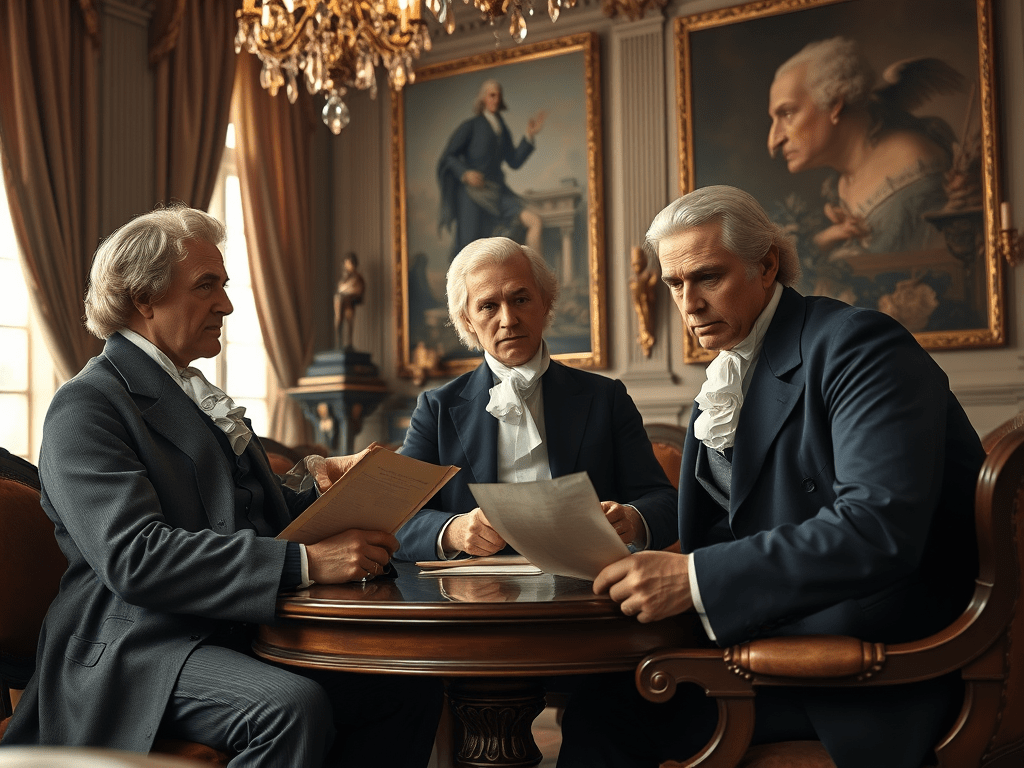
That winter, Rockefeller and his business partner planned to travel to New York for a critical meeting. They booked tickets on a train departing from Cleveland, a journey that should have been routine. The young businessman was eager to press forward with his ambitions, but for reasons unknown, he hesitated.
Perhaps it was an uneasy feeling in his gut, or maybe it was mere coincidence, but at the last moment, Rockefeller decided not to board the train. He canceled his trip and stayed behind. It was an uncharacteristic move for a man so determined in his pursuits.
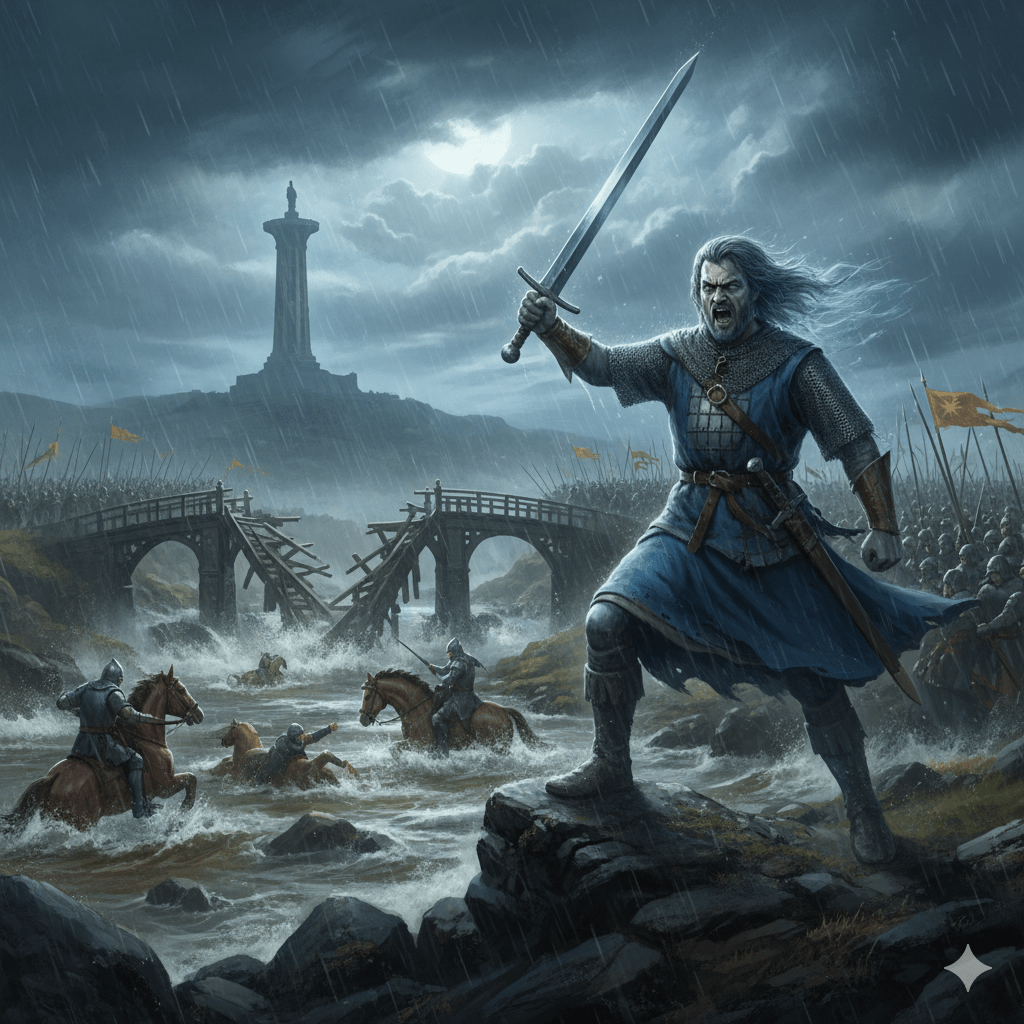
Shortly after departing, the train suffered a catastrophic accident. As it barreled along the tracks, something went horribly wrong—the train derailed, plummeting off a bridge, and several cars crashed into a ravine below. Nearly 50 passengers perished. Had Rockefeller been on board, he almost certainly would have been among them.
A Miracle or Mere Coincidence?
News of the disaster spread quickly. When Rockefeller learned what had happened, he was shaken. The realization that he had narrowly escaped death altered his perspective on life forever.
He saw it not as chance but as divine providence. To him, it was proof that God had a plan for him, that his mission on Earth was not yet complete. If he had survived when so many others had perished, then surely it was because he had a greater purpose to fulfill.
The Turning Point
From that moment forward, Rockefeller’s resolve became unshakable. He threw himself even more fervently into his work, growing his company Standard Oil into an empire. By the late 19th century, Standard Oil had become the most powerful corporation in America, controlling over 90% of the country’s oil refining and distribution. It revolutionized the industry, making oil more affordable and widely available, fueling the rise of automobiles, and illuminating homes across the nation.
Rockefeller’s company didn’t just dominate oil—it transformed the way businesses operated. He pioneered vertical and horizontal integration, crushing competitors and forging deals that ensured Standard Oil remained at the top. His monopoly became so vast that, in 1911, the U.S. government broke it up under antitrust laws, splitting it into multiple companies, some of which still exist today as ExxonMobil, Chevron, and others.
But despite his ruthless business tactics, Rockefeller never wavered in his belief that his wealth and power were divinely ordained. His survival in the train accident only strengthened his conviction that he was meant to shape history—not just as a tycoon, but as a philanthropist dedicated to giving back.
A Life Guided by Faith
Rockefeller often spoke about the train accident as a defining moment. He believed his life had been spared for a reason, and he never wavered in his conviction that he was fulfilling a divine mission.
Until his death in 1937, he remained steadfast in his faith, his philanthropy, and his belief that his success was not merely of his own making. Whether by fate or divine intervention, John D. Rockefeller’s decision to skip that train journey altered the course of history, ensuring that the world would forever feel the impact of the man who saw wealth as both a blessing and a calling.


 History in 5 Minutes or less
Leave a comment