
The Story of Operation Dynamo and the Miracle of Deliverance
Introduction: A Nation on the Brink of Defeat
May 1940: The Allies face total collapse as Nazi Germany advances across Europe
In just a few weeks, Nazi Germany shattered the balance of power in Europe. Hitler’s armies tore through Belgium and France with devastating speed, cutting off Allied troops and pushing them into a shrinking pocket along the French coast. With their backs to the sea at Dunkirk, over 400,000 Allied soldiers faced capture or death. But what followed wasn’t the expected massacre—it was one of the most astonishing rescues in military history.
⚔️ The Fall of France and the Trap at Dunkirk
Blitzkrieg Unleashed: A New Kind of Warfare
In May 1940, Hitler launched Fall Gelb—his plan to conquer Western Europe. Instead of repeating the trench warfare of World War I, Germany unleashed Blitzkrieg, a swift and brutal combination of tanks, motorized infantry, and dive-bombers. The Germans bypassed France’s heavily defended Maginot Line by storming through the lightly defended Ardennes Forest. In days, they cut off the Allied armies from the south.
The French and British were stunned. German forces reached the English Channel by May 20, severing Allied communications and trapping the British Expeditionary Force (BEF), along with French and Belgian troops, in a pocket around Dunkirk.
The Dunkirk Pocket: A Desperate Situation
Encircled, low on supplies, and with the German army tightening its grip, the Allies faced total annihilation. Dunkirk, a small port town on France’s northern coast, became the last viable exit. Roads were jammed, retreating columns were bombed by the Luftwaffe, and morale was disintegrating.
British Prime Minister Winston Churchill, just weeks into office, knew the situation was catastrophic. He ordered the start of Operation Dynamo—an ambitious naval plan to rescue as many troops as possible across the English Channel. The odds of success? Slim to none.
🛥️ Operation Dynamo: Launching the Impossible
From Warships to Fishing Boats: The Call for Civilian Help
The Royal Navy’s warships alone couldn’t land on Dunkirk’s shallow beaches. The port’s infrastructure had been bombed into rubble. So Admiral Bertram Ramsay, commanding from tunnels under Dover Castle, put out a bold request: call on civilian boats.
What followed was unprecedented. Hundreds of small craft—trawlers, lifeboats, ferries, fishing boats, and pleasure cruisers—answered the call. Many were commandeered by the Royal Navy, but others were piloted by brave civilians. These “Little Ships of Dunkirk” would ferry troops from the beaches to larger ships waiting offshore.
One such hero was Charles Lightoller, former second officer of the Titanic, who captained his 60-foot yacht Sundowner across the Channel and saved more than 120 men.
Facing the Luftwaffe: A Battle Above the Beaches
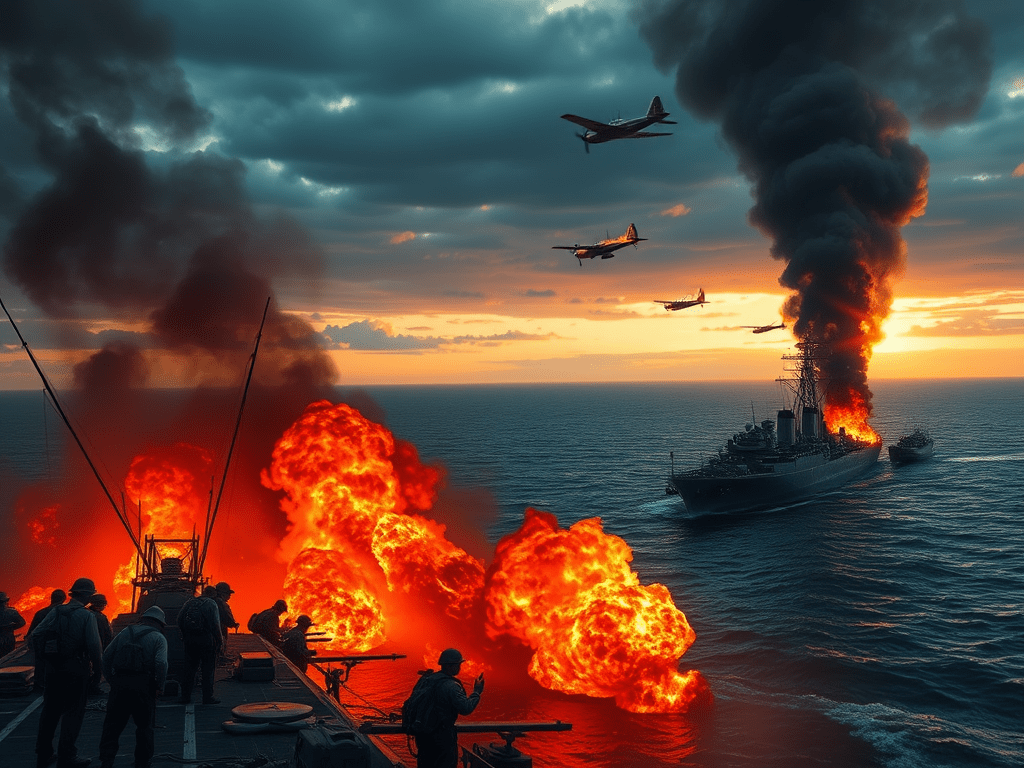
German planes made Dunkirk hell on earth. Junkers Ju 87 Stuka dive bombers screamed from the skies, dropping bombs on packed beaches and helpless soldiers wading in the surf. The Luftwaffe dominated the air, and evacuation ships were frequently sunk before they could load passengers.
The Royal Air Force (RAF) was harshly criticized for being “invisible” during the evacuation, but in truth, RAF pilots were dying over the Channel in dogfights to keep the Luftwaffe away. One veteran later said:
“We never saw the RAF, but they were there. We’d be dead without them.”
Despite the chaos, the evacuation pushed forward. Troops formed long, vulnerable lines stretching into the sea, hoping for a place on a boat—and a chance at survival.
🌊 The Miracle of Deliverance
The Numbers Behind the Miracle: A Staggering Achievement
When Operation Dynamo began, military planners hoped to rescue maybe 45,000 men. But by June 4, 338,226 Allied troops had been evacuated across the English Channel—including 198,000 British and 140,000 French and Belgian soldiers.
Over 850 vessels, from destroyers to dinghies, made the journey—often under fire. On the busiest days, nearly 60,000 men were rescued in a single 24-hour span.
Though the beaches were strewn with burning wreckage and the sea ran red with blood, the miracle held. The trapped army had escaped.
Holding the Line: The Rearguard Sacrifice
This escape wasn’t without cost. Thousands of British and French troops stayed behind to form a defensive perimeter around Dunkirk. Their job was to delay the German advance at all costs.
In Lille, the French First Army fought a heroic stand, engaging German forces for nearly a week despite being outgunned and outnumbered. These sacrifices gave the evacuation time to continue.
Roughly 40,000 Allied soldiers—many of them French—were left behind and captured. They spent the rest of the war as prisoners in Germany.
Homefront and Aftermath
A Nation Uplifted: The Spirit of Dunkirk
Though technically a retreat, the successful evacuation was a massive morale booster for Britain. Newspapers printed headlines like “Dunkirk Miracle!”, and the public found new strength in what had seemed like certain defeat.
Churchill, however, struck a careful tone. In his iconic June 4 speech to Parliament, he reminded the world:
“We must be very careful not to assign to this deliverance the attributes of a victory. Wars are not won by evacuations.”
But the “Dunkirk Spirit” had taken root—symbolizing courage, endurance, and the will to fight on. Britain would not surrender.
The Fate of the Left Behind: Captured but Not Forgotten
For the thousands of troops who didn’t make it out, the cost was high. Many were marched to POW camps deep in Germany, spending five long years behind barbed wire.
Yet their sacrifice wasn’t in vain. By buying time and protecting the perimeter, they helped ensure the survival of Britain’s army—and with it, the hope of eventual liberation.
❓ Why Didn’t Hitler Crush Them?
The Mysterious Halt Order: A Puzzling Pause in the German Advance
On May 24, 1940, when the German Panzers were just miles from Dunkirk, Hitler issued a shocking command: stop the advance. For nearly 48 hours, German tanks held their positions.
Historians still debate the reasons:
- Overconfidence: Hitler believed the war was already won and wanted to save his tanks for the conquest of Paris.
- Göring’s Promise: Luftwaffe chief Hermann Göring claimed his air force could finish the job.
- Diplomatic Gambit: Some believe Hitler hoped a less-bloody end might make Britain more likely to negotiate peace.
Whatever the motive, the pause allowed the Allies to dig in, strengthen defenses, and launch Operation Dynamo in earnest. Many believe this was Hitler’s first major strategic blunder.
A Missed Opportunity: One That Changed the War
German generals, including Gerd von Rundstedt and Erich von Manstein, later criticized the halt. With the BEF destroyed, Britain might have been forced to seek peace—or even surrender.
Instead, a battered but determined army returned home, and the war continued.
🎬 Dunkirk in Popular Culture
In 2017, director Christopher Nolan released Dunkirk, a dramatic retelling that emphasized the tension, claustrophobia, and unpredictability of the evacuation. Told from land, sea, and air perspectives, the film received critical acclaim for its realism and practical effects.
While Nolan’s film minimized dialogue and strategic exposition, it succeeded in immersing viewers in the fear and confusion experienced by soldiers. The emotional resonance of the story—of ordinary men facing extraordinary odds—remains its most enduring legacy.
Conclusion: From Disaster to Defiance
Dunkirk wasn’t a triumph—but it was a turning point
The Dunkirk evacuation was a strategic withdrawal, not a victory. But it marked a crucial moment in World War II—a line in the sand. Britain had been knocked down but refused to stay down.
The successful evacuation preserved the core of the British Army, giving Churchill and his generals the manpower needed to fight another day. Without Dunkirk, the Battle of Britain may never have happened. And without the Battle of Britain, there might never have been D-Day.
In the words of Churchill:
“We shall go on to the end… We shall fight on the beaches… We shall never surrender.”
Dunkirk was proof that even in defeat, the seeds of future victory can be sown.
📚 Sources
- Churchill, Winston. The Second World War: Their Finest Hour.
- Sebag-Montefiore, Hugh. Dunkirk: Fight to the Last Man. Penguin Books, 2007.
- Hastings, Max. All Hell Let Loose: The World at War 1939-1945.
- BBC History, “The Dunkirk Evacuation”
- Imperial War Museum: www.iwm.org.uk
- National Archives UK: Operation Dynamo Resources

 History in 5 Minutes or less
Leave a comment