
Introduction: Crisis on Celluloid
In the year 2000, director Roger Donaldson released Thirteen Days, a political thriller chronicling the most dangerous standoff of the Cold War—the Cuban Missile Crisis of October 1962. With Bruce Greenwood as President John F. Kennedy and Kevin Costner as White House aide Kenneth O’Donnell, the film offered a tense, behind-the-scenes view of the showdown between the U.S. and the Soviet Union.
But while the movie succeeded in capturing the mood of the era, it also took dramatic liberties. In this article, we’ll explore five things the film got right and five things it got wrong, with historical sources to back it all up.
✅ What Thirteen Days Got Right
1. The Sheer Tension of the Crisis
One of the film’s strongest aspects is its depiction of the unrelenting pressure on President Kennedy and his advisers during the 13 days of the crisis. The pacing, music, and tightly confined spaces of the White House and Pentagon recreate the suffocating sense of impending doom that gripped the U.S. government in October 1962.
Historical Evidence:
According to transcripts from the Kennedy Library’s ExComm recordings, the president and his advisers held dozens of intense meetings, some lasting for hours, debating potential air strikes, invasions, and diplomatic strategies.
“We’re not going to have the chance, probably, to do this again… and we can’t go back to the same situation.” – JFK, Oct. 1962 (The Kennedy Tapes, May & Zelikow)
2. The Naval Blockade (“Quarantine”)
The film correctly portrays the decision to enforce a naval blockade—rebranded as a “quarantine” to avoid the legal implications of a blockade being considered an act of war. The move was a middle-ground option between diplomacy and military action.
Historical Evidence:
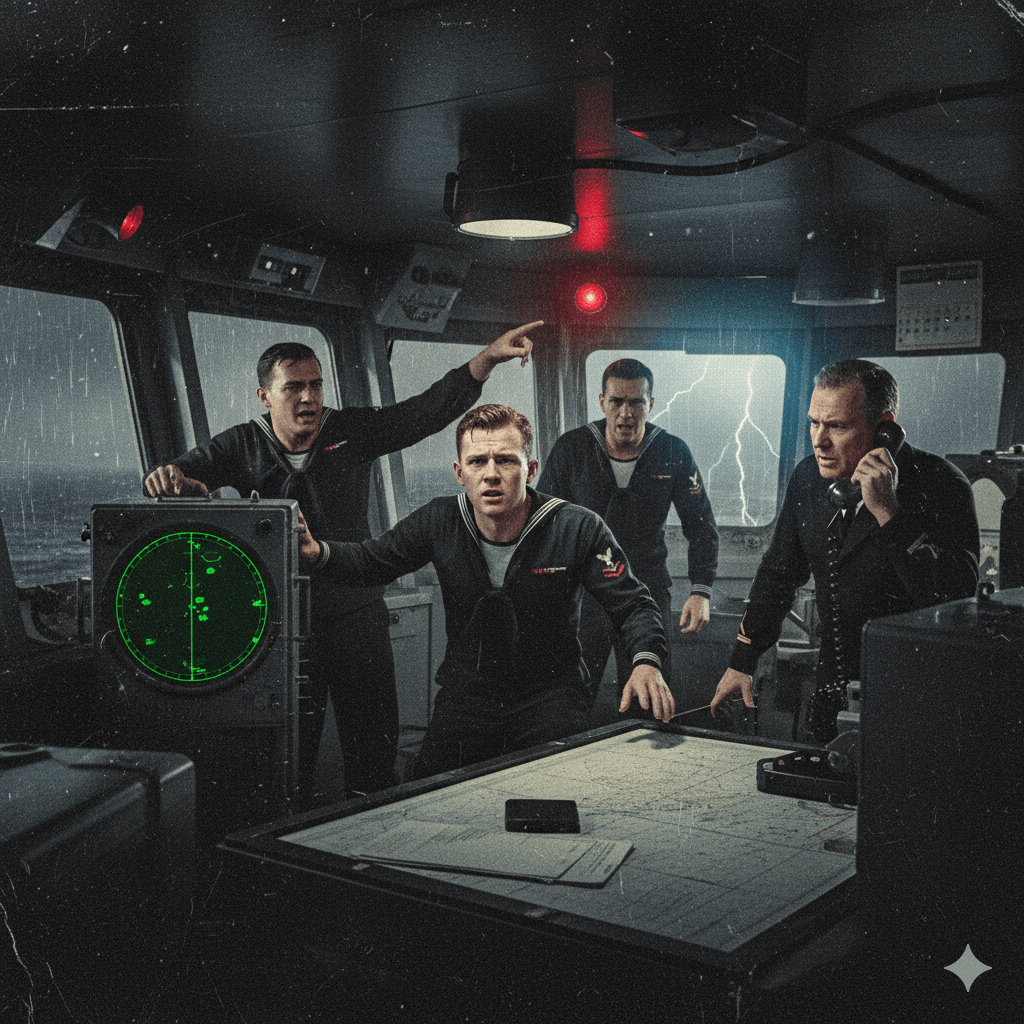
On October 22, 1962, Kennedy went on national television announcing the quarantine, demanding the Soviets remove the missiles from Cuba. The blockade was enforced by U.S. Navy ships that intercepted Soviet vessels heading to Cuba.
“I have directed that the Armed Forces be prepared for any eventualities.” – JFK, National Address, Oct. 22, 1962
3. Dissent Among Advisers
The film portrays the internal divisions within the ExComm (Executive Committee of the National Security Council) accurately. Military leaders, including General Curtis LeMay, pushed for an air strike, while others like Robert McNamara favored a less aggressive approach.
Historical Evidence:
LeMay famously clashed with Kennedy, insisting an air strike was necessary and ridiculing the quarantine as weak. JFK responded with measured resistance, avoiding hawkish impulses.
“This is almost as bad as the appeasement at Munich.” – Gen. LeMay to JFK (The Kennedy Tapes)
4. The Importance of Backchannel Diplomacy
The film captures the vital role of unofficial communication lines, especially the secret correspondence between Attorney General Robert F. Kennedy and Soviet Ambassador Anatoly Dobrynin, which helped diffuse the crisis.
Historical Evidence:
Bobby Kennedy met with Dobrynin on October 27, offering a deal: the U.S. would not invade Cuba if the missiles were removed. Though not mentioned publicly, the U.S. would also remove Jupiter missiles from Turkey.
“If that is made public, we’re never going to get them out.” – RFK to Dobrynin, as recorded in One Hell of a Gamble by Fursenko and Naftali
5. The U-2 Incident Over Cuba
The film accurately dramatizes the downing of a U-2 spy plane over Cuba on October 27, a pivotal moment that nearly pushed the superpowers into direct conflict. The military urged a retaliatory strike, but Kennedy resisted.
Historical Evidence:
Major Rudolf Anderson Jr. was shot down by a Soviet SA-2 missile, becoming the crisis’s sole combat fatality. JFK chose not to retaliate, fearing escalation.
“They’re beginning to shoot the missiles… we have to do something.” – JFK (The Kennedy Tapes)
❌ What Thirteen Days Got Wrong
1. Kenneth O’Donnell’s Exaggerated Role
Kevin Costner’s portrayal of White House special assistant Kenneth O’Donnell turns him into JFK’s primary confidante and moral compass during the crisis. In reality, O’Donnell was not nearly as central to the major policy decisions.
Historical Evidence:
O’Donnell’s actual role was more administrative than strategic. Scholars like Sheldon Stern (historian at the JFK Library) have criticized the film’s overemphasis on O’Donnell.
“He was a minor figure… but in the movie, he’s everywhere.” – The Week the World Stood Still by Sheldon Stern
2. The “Lone Hero” Narrative
The film pushes a common Hollywood trope: a single man (O’Donnell) standing against the tide of war-hungry generals. This portrayal oversimplifies the complexity of ExComm dynamics and minimizes the collective decision-making of the Kennedy team.
Historical Evidence:
ExComm included dozens of influential voices—Dean Rusk, Robert McNamara, George Ball, and more—each playing a crucial role in shaping policy.
“It was never just Kennedy and one guy against the Pentagon.” – Timothy Naftali, historian and co-author of One Hell of a Gamble
3. Ignoring the Role of International Allies
The film focuses almost entirely on Washington and Moscow, but it largely ignores the international context. U.S. allies, especially the United Nations and NATO partners, were deeply concerned and involved diplomatically.
Historical Evidence:
UN Secretary-General U Thant played a mediating role by proposing a temporary halt to missile work and quarantine enforcement. British Prime Minister Harold Macmillan also advised restraint.
“There is a sense of profound relief across Europe that the world was pulled back from the brink.” – The Times, Oct. 1962
4. Timeline Compression and Simplification
For dramatic purposes, the film compresses timelines and simplifies sequences of events. Key negotiations, such as those involving the Turkish missiles, are glossed over or not clearly explained.
Historical Evidence:
The deal to remove Jupiter missiles from Turkey was a secret quid pro quo not acknowledged publicly until years later. This component was central to Khrushchev’s agreement to withdraw.
“Kennedy agreed to remove the missiles in Turkey in four to five months, but insisted it remain secret.” – Essence of Decision by Graham Allison
5. Overplaying the Military’s Desire for War
While the military leadership, particularly General LeMay, did favor aggressive action, not all Pentagon officials were pushing for war as the film suggests. Many were cautious, aware of the stakes involved in confronting a nuclear adversary.
Historical Evidence:
Robert McNamara and others at the Pentagon were deeply conflicted. LeMay’s war stance was not shared by all.
“The Joint Chiefs were not unanimous… even within the military, there were serious concerns about escalation.” – The Fog of War, McNamara’s documentary memoir
Conclusion: A Film Worth Watching, With Caveats
Thirteen Days succeeds in conveying the fear, urgency, and complexity of the Cuban Missile Crisis. It’s a gripping political thriller with moments of genuine historical insight. But viewers should recognize that it is not a documentary. The hero narrative, compressed timeline, and character embellishments serve cinematic storytelling, not strict historical accuracy.
Still, the movie serves an important role—it inspires interest in one of the most perilous moments of the 20th century and prompts deeper inquiry into how nuclear war was narrowly averted.
Sources:
- The Kennedy Tapes: Inside the White House During the Cuban Missile Crisis by Ernest R. May & Philip Zelikow
- One Hell of a Gamble: Khrushchev, Castro, and Kennedy, 1958–1964 by Aleksandr Fursenko and Timothy Naftali
- The Week the World Stood Still by Sheldon Stern
- Essence of Decision: Explaining the Cuban Missile Crisis by Graham Allison
- The Fog of War (2003), directed by Errol Morris
- John F. Kennedy Presidential Library & Museum: ExComm Transcripts
- National Security Archive: Cuban Missile Crisis Documentation

 History in 5 Minutes or less
Leave a comment