Imagine this: You’re a pilot, one of the best in the United States Army Air Forces. It’s early 1942. Just a few months ago, Japan launched a surprise attack on Pearl Harbor, devastating the U.S. Pacific Fleet and plunging America headfirst into World War II. The nation is in shock, morale is low, and the Japanese Empire seems unstoppable, having conquered swathes of territory across the Pacific.
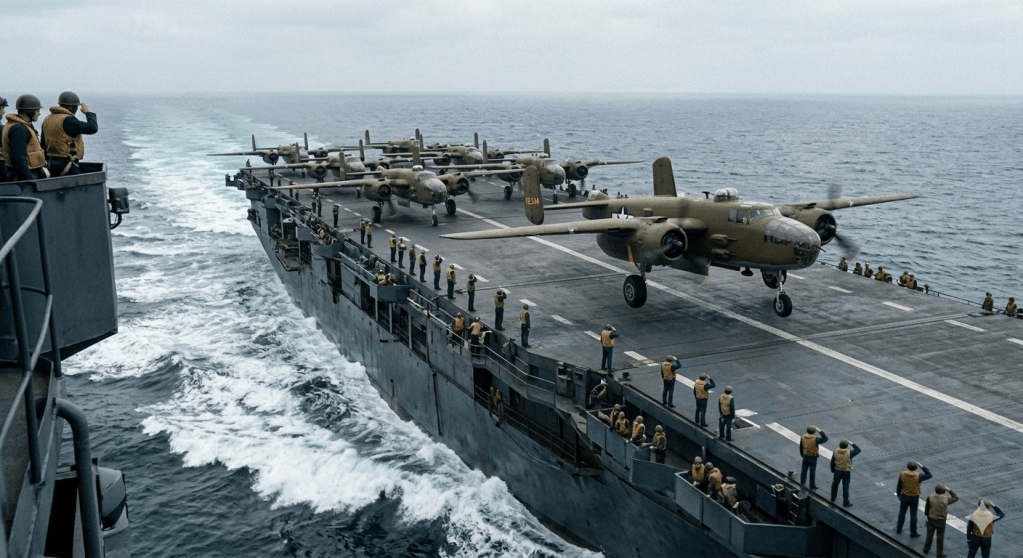
You and your fellow airmen are called into a top-secret meeting. The mission? To launch land-based bombers—B-25 Mitchells—from an aircraft carrier, a feat never before attempted. Your target? The heart of the Japanese empire itself: Tokyo.
This wasn’t just risky; it was practically a suicide mission. The B-25s were large, heavy bombers, not designed for the short deck of a carrier. You’d need to take off with maximum fuel and bombs, leaving almost no room for error. And that was just the beginning.
The Brains and the Bombers
The idea for this audacious raid came from an unlikely source: Captain Francis Low, a submariner. While examining photos of a simulated carrier deck, he noticed that Twin-engine bombers like the B-25 had a wingspan that could, in theory, fit within the width of a carrier’s flight deck.
The concept was passed up the chain of command, eventually reaching Admiral Ernest J. King and General Henry H. “Hap” Arnold. They were looking for a way to strike back at Japan, to boost American morale and force the Japanese to pull back some of their forces to defend their homeland. The low-risk, high-reward nature of this plan appealed to them.
But who could lead such a mission? The answer was clear: Lieutenant Colonel Jimmy Doolittle. Doolittle was a pioneer in aviation, an engineer, and a celebrated air racer. He was known for his courage, intelligence, and his meticulous attention to detail.
Doolittle accepted the challenge immediately. He selected 80 men, all volunteers, from the 17th Bombardment Group, known for their skill and experience. They were told the mission was extremely dangerous but were not given the specific target. The intense training began at Eglin Field in Florida.
The pilots had to learn how to take off from a very short runway, a fraction of the length they were used to. They practiced with lines painted on the tarmac, replicating the length of an aircraft carrier’s deck. They had to perfect the “short-field takeoff” technique, using maximum flaps and power, pulling up sharply to avoid plunging into the imagined ocean.
“It was like trying to fly a barn through a keyhole,” one pilot later remarked. “But we learned to do it, over and over again.”
A Premature Launch and a Glimpse of Tokyo
The original plan was to launch the B-25s from the USS Hornet when they were about 400 miles from Japan, allowing them to attack at night and then land in China before dawn. But fate had other plans.
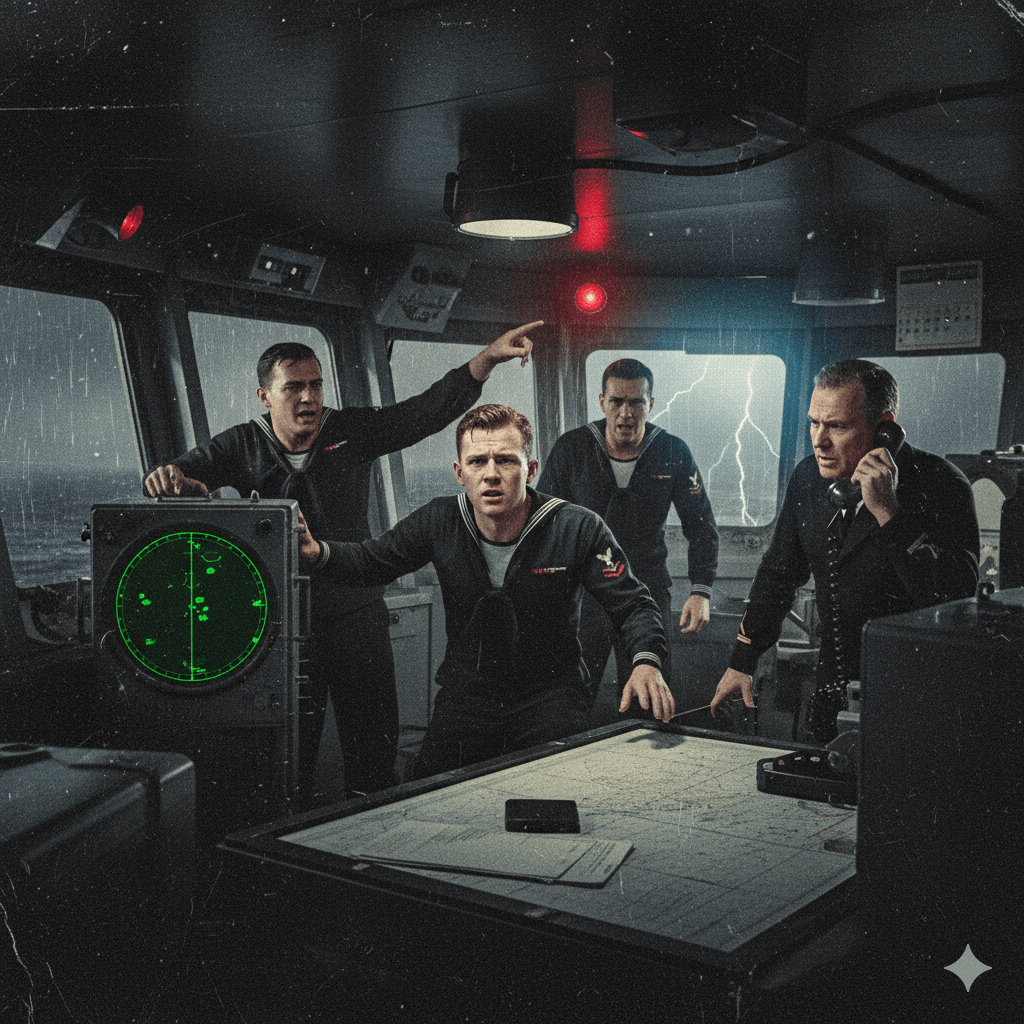
On the morning of April 18, 1942, while still more than 600 miles from Japan, the task force was spotted by a Japanese patrol boat. Though the boat was quickly sunk, Doolittle and the Hornet’s captain, Marc Mitscher, knew their cover was blown. They had to make a crucial decision: scrub the mission or launch early, knowing they wouldn’t have enough fuel to reach the safe landing zones in China.
Doolittle chose to go.
The bombers were launched in rapid succession. The Hornet pitched and rolled in the rough seas, making the takeoffs even more perilous. Yet, despite the lack of wind and the early launch, all 16 B-25s made it into the air.
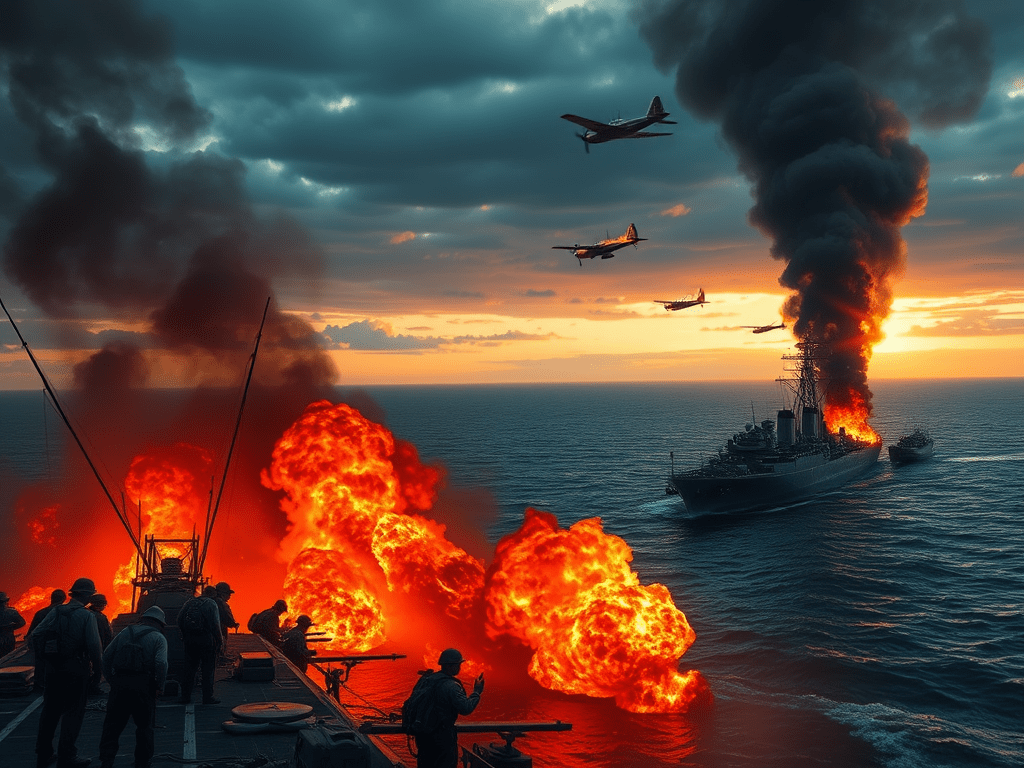
Flying low over the water to avoid radar, they navigated toward Japan. They arrived over their targets—Tokyo, Yokohama, Kobe, Osaka, and Nagoya—in broad daylight. The Japanese were completely caught off guard. Anti-aircraft fire was light and inaccurate, and few Japanese fighters managed to intercept them.
The Raiders dropped their bombs on military and industrial targets, including oil storage facilities, power plants, and an aircraft factory. The physical damage was relatively minor, but the psychological impact was devastating. For the first time, the Japanese people realized they were not invulnerable.
“The Long, Wet Walk” to China
Their mission accomplished, the Raiders faced their greatest challenge: survival. With fuel running low, they had to fly across the East China Sea toward China. They encountered deteriorating weather, with heavy rain and low visibility. One by one, as their engines sputtered and died, the crews were forced to bail out or crash-land.
Most of the Raiders landed in Japanese-occupied China. They were helped by brave Chinese civilians and guerrilla fighters, who risked their lives to hide and guide the American airmen. Many of these brave rescuers paid the ultimate price; the Japanese military launched brutal retaliatory campaigns, killing an estimated 250,000 Chinese civilians in their search for the Raiders.
Of the 80 men who participated in the raid, 64 were eventually rescued or made their way back to Allied lines. Three men were killed during the mission (two drowned and one was killed bailing out). Eight men were captured by the Japanese; of those, three were executed, and one died in captivity.
Doolittle himself crash-landed in China and feared he would be court-martialed for losing all his aircraft. Instead, he was promoted to Brigadier General and awarded the Medal of Honor.
Why the Doolittle Raid Still Matters
The Doolittle Raid was not a strategic military victory in the sense that it destroyed key infrastructure or crippled the Japanese war machine. However, its impact was profound and far-reaching.
1. A Vital Morale Booster: For the American public, the raid was a beacon of hope after months of devastating losses. It proved that Japan was not invincible and that the United States had the will and capability to strike back.
2. A Shift in Japanese Strategy: The raid shocked the Japanese leadership, who had assured their people that the homeland was safe from attack. This led to a critical decision to recall several aircraft carrier groups from the Indian Ocean to defend Japan, a move that would have major consequences at the crucial Battle of Midway just a few months later.
3. An Enduring Symbol of Courage and Innovation: The Doolittle Raid remains a powerful example of American ingenuity, daring, and the willingness to take calculated risks. It celebrates the bravery of the airmen who volunteered for a mission they knew might be their last and the selflessness of the Chinese people who risked everything to save them.
The Doolittle Raid proved that even in the darkest of times, courage, innovation, and the human spirit can overcome impossible odds. It serves as a timeless reminder that even a small, audacious act can change the course of history.
Sources:
- Glines, C. V. (1988). The Doolittle Raid: America’s First Strike Against Japan. Orion Books.
- Nelson, C. (2002). The Day We Bombed Tokyo: The True Story of the Doolittle Raid. Viking.
- “The Doolittle Raid.” National Museum of the United States Air Force. https://www.nationalmuseum.af.mil/

 History in 5 Minutes or less
Leave a comment