-
 Continue reading →: The Battle of the Bulge: Hitlers last Gamble
The Battle of the Bulge (Dec 1944–Jan 1945) was Hitler’s last major Western Front offensive. Launching a surprise attack in the Ardennes, German forces nearly broke Allied lines. Fierce American resistance at Bastogne, Patton’s rapid counterattack, and Allied air power turned the tide, crippling Germany’s strength and hastening its defeat.
-
 Continue reading →: The Day Lee Harvey Oswald Was Shot: Chaos, Shock, and the Aftermath
On November 24, 1963, Lee Harvey Oswald—accused assassin of President John F. Kennedy—was fatally shot by nightclub owner Jack Ruby during a live televised transfer. His death shocked America, deepened conspiracy theories, and erased any chance of a trial, leaving unanswered questions that still fuel debate about the assassination’s true…
-
 Continue reading →: Gladiator: What the Movie Got Right—and What It Got Wrong
Ridley Scott’s Gladiator blends fact and fiction in its depiction of ancient Rome. The film accurately portrays the grandeur of the Colosseum, Roman politics, and Commodus’ obsession with gladiators, but invents Maximus, compresses history, and dramatizes events like Marcus Aurelius’ murder. A cinematic epic, not a documentary.
-
 Continue reading →: The Sinking of the Titanic: What Really Happened
The RMS Titanic, deemed “unsinkable,” tragically sank on April 15, 1912, after colliding with an iceberg. Despite advanced engineering, the ship lacked sufficient lifeboats and disregarded iceberg warnings. The disaster claimed over 1,500 lives, prompting significant maritime safety reforms. The Titanic’s legacy endures as a poignant tale of ambition and…
-
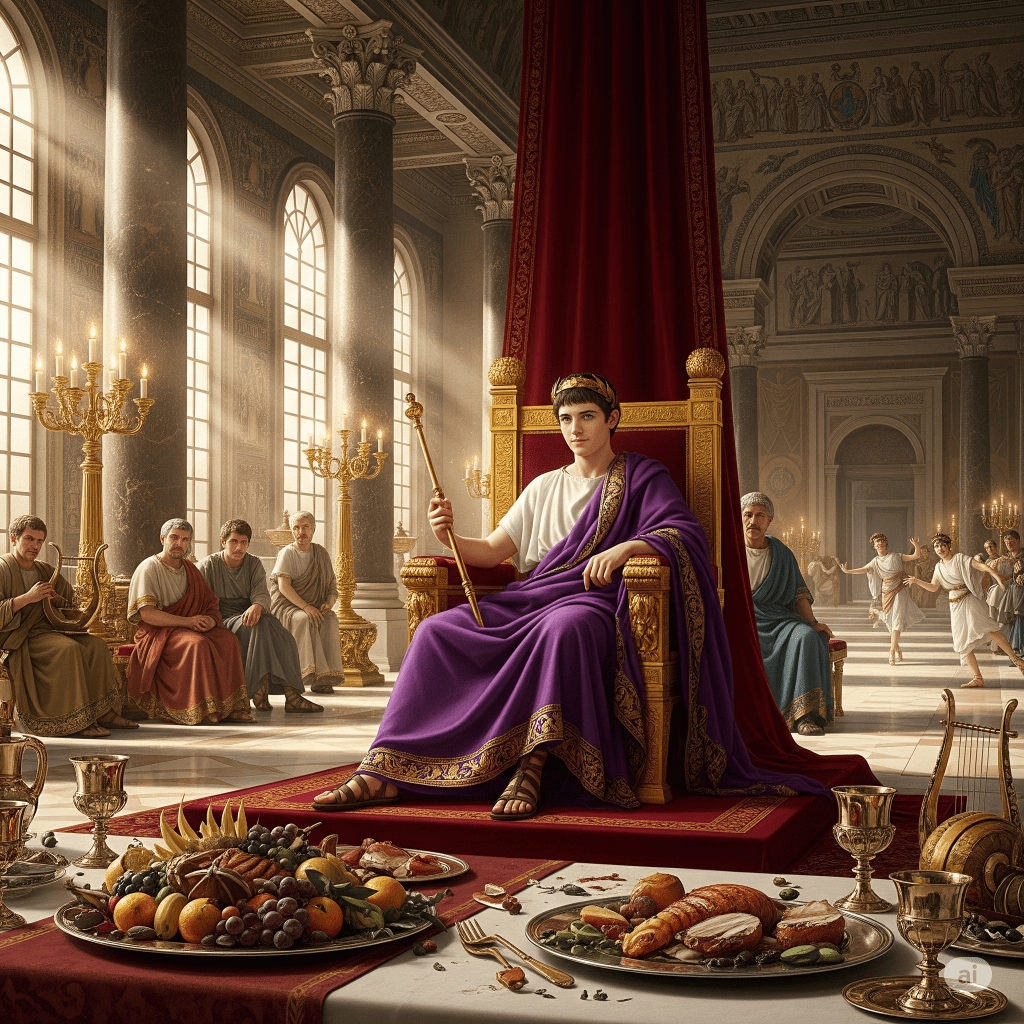 Continue reading →: Caligula: The 1,400-Day Reign of Rome’s Most Notorious Emperor
Caligula’s 1,400-day reign began with promise—tax cuts, freed prisoners, and public games—but descended into extravagance, cruelty, and bizarre acts, from seashell “conquests” to worship as a living god. Feared by all, he was assassinated in 41 CE, leaving a legacy of scandal, mystery, and political caution for Rome.
-
 Continue reading →: Ulysses S. Grant: The General Who Took on America’s Second War
Ulysses S. Grant, Civil War hero turned president, fought a second war—this time for civil rights. Through the Fifteenth Amendment, Enforcement Acts, and anti-Klan crackdowns, he defended Black Americans’ freedoms. Though Reconstruction faltered, Grant’s bold actions set lasting precedents for federal protection of civil rights nearly a century later.
-
 Continue reading →: The Fall of the Knights Templar and Jacques de Molay: The End of the Warrior Monks
The fall of the Knights Templar was a dramatic clash of power, politics, and betrayal. Led by Grand Master Jacques de Molay, the order was destroyed by King Philip IV of France, who accused them of heresy. De Molay’s defiant death in 1314 sparked legends, curses, and centuries of enduring…
-
Continue reading →: The Truth Behind 300: What the Movie Got Right and Wrong About the Battle of Thermopylae
Zack Snyder’s 300, released in 2006, dramatizes the Battle of Thermopylae, blending historical facts with creative liberties. While it accurately portrays the Spartan stand against Persian forces and their warrior culture, it falsely depicts armor, dignifies King Xerxes, and simplifies the defense to just Spartans, overlooking other Greek contributions.
-
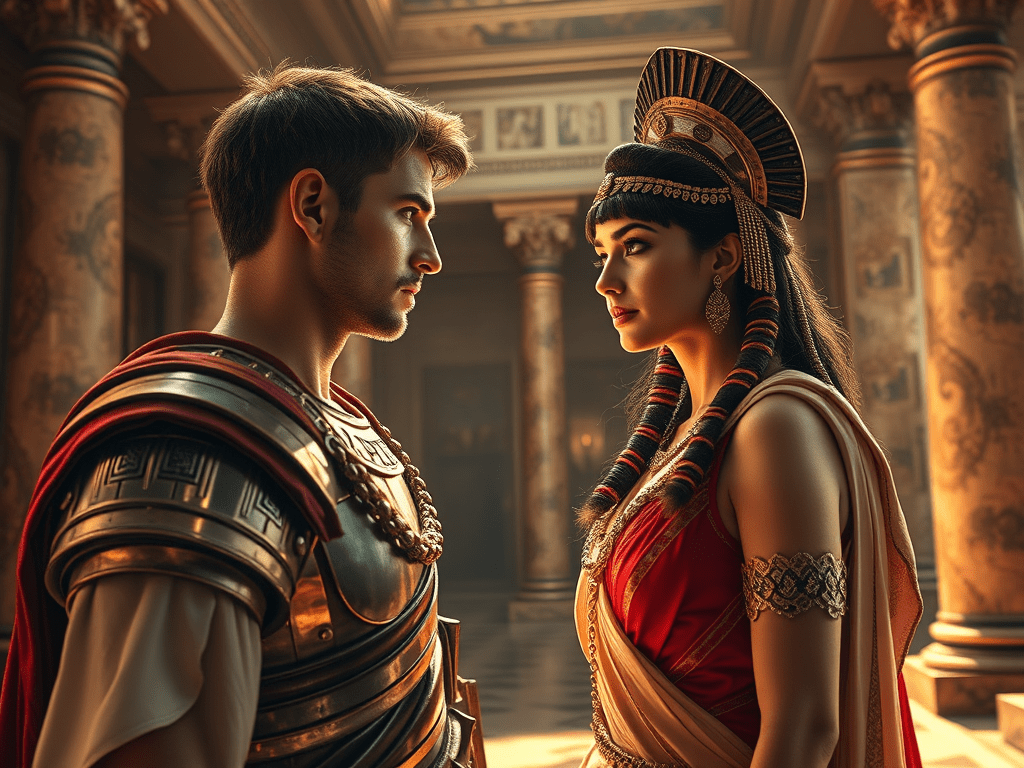 Continue reading →: Julius Caesar and Cleopatra: Power, Passion, and the Politics That Shaped an Empire
Julius Caesar and Cleopatra’s alliance reshaped ancient history through a potent mix of politics and passion. Their relationship secured Cleopatra’s throne, produced a son, and alarmed Rome’s elite—ultimately fueling Caesar’s assassination. Though their ambitions failed, the fallout accelerated the fall of the Roman Republic and the rise of the Empire.
-
 Continue reading →: Julius Caesar and the Rubicon: The River That Changed Rome Forever
By 50 BCE, the Roman Republic faced chaos, driven by political instability and Gaius Julius Caesar’s rising influence. His crossing of the Rubicon in January 49 BCE, defying Senate authority, ignited a civil war that ultimately led to his dictatorship and subsequent assassination in 44 BCE, marking the end of…
Welcome to History in 5!
This blog is dedicated to the hidden, fascinating stories you didn’t learn in your high school history class. Each story is designed to be read in 5 minutes or less—perfect for the history lover on the go!
Dive in, and discover the untold tales that make history truly come alive!
- Age of Exploration (1)
- America Frontier (2)
- American Revolutiuon (11)
- Ancient Greece (4)
- Ancient History (2)
- Automobiles (1)
- Cars (1)
- Christmas (1)
- Civil Rights (1)
- Civil War (7)
- Cold War (8)
- Duels (1)
- Early 20th Century (4)
- Early American Republic (1)
- Emperors (4)
- European History (1)
- Folklore (1)
- founding fathers (2)
- Haunted Houses (1)
- Heists (1)
- Historical Mysteries (1)
- Korean War (1)
- Mexican American War (1)
- Mexican History (1)
- Middle Ages (1)
- Military (21)
- Movies (9)
- Pirates (4)
- Roman Empire (7)
- Scandals (1)
- Space Race (1)
- Spanish American War (1)
- Texas Independence (1)
- The American West (1)
- The Gilded Age (4)
- The Knight Templar (1)
- The Knights Templar (1)
- The Unexplained (6)
- US Presidents (19)
- Vietnam War (2)
- War of 1812 (1)
- Wild West (9)
- World War I (4)
- World War II (21)
Recent posts
-

The Muddy Miracle of New Orleans: How Andrew Jackson and a Band of Misfits Won a War That Was Already Over
-
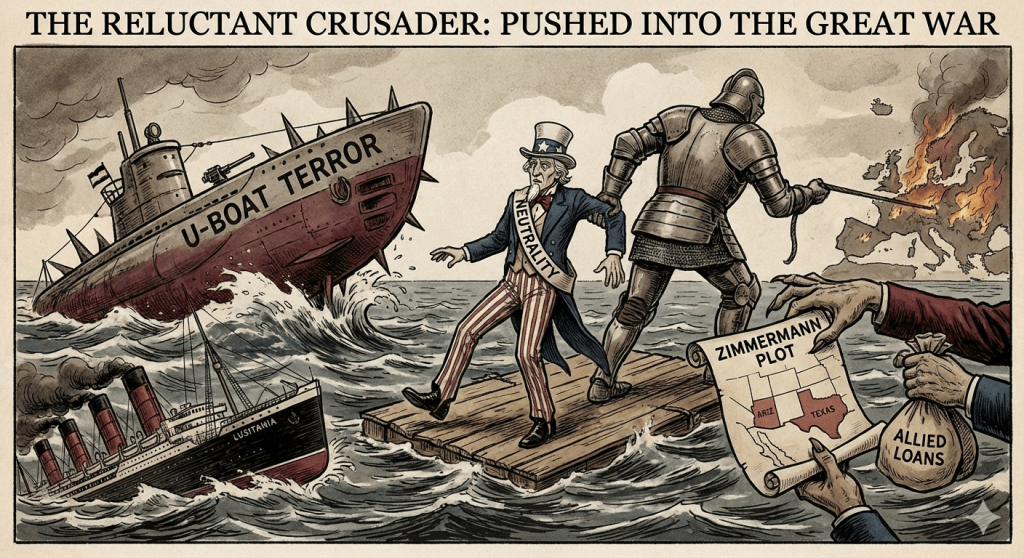
The Spy, the Submarine, and the Secret Telegram: How a Reluctant America Joined the Great War
-
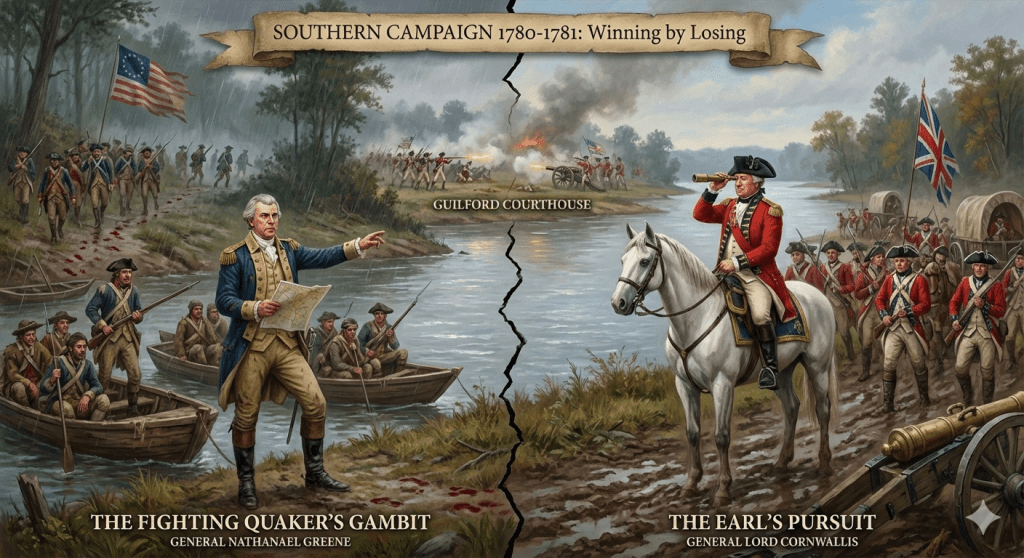
The Blacksmith and the Earl: How Nathanael Greene Won the Revolution by Losing Every Battle
-
The Patriot: 5 things the move got right and 5 things that were a stretch.
-

The Christmas Miracle: Washington’s Daring Dash to Trenton
-

The Fall of the Soviet Union Part III: Revolution from Above (1990–1991): The Final Days
- January 2026
- December 2025
- November 2025
- October 2025
- September 2025
- August 2025
- July 2025
- June 2025
- May 2025
- April 2025
- March 2025
- February 2025
- January 2025
- December 2024
- November 2024
- May 2024
- April 2024
- March 2024
- February 2024
- January 2024
 History in 5 Minutes or less