-
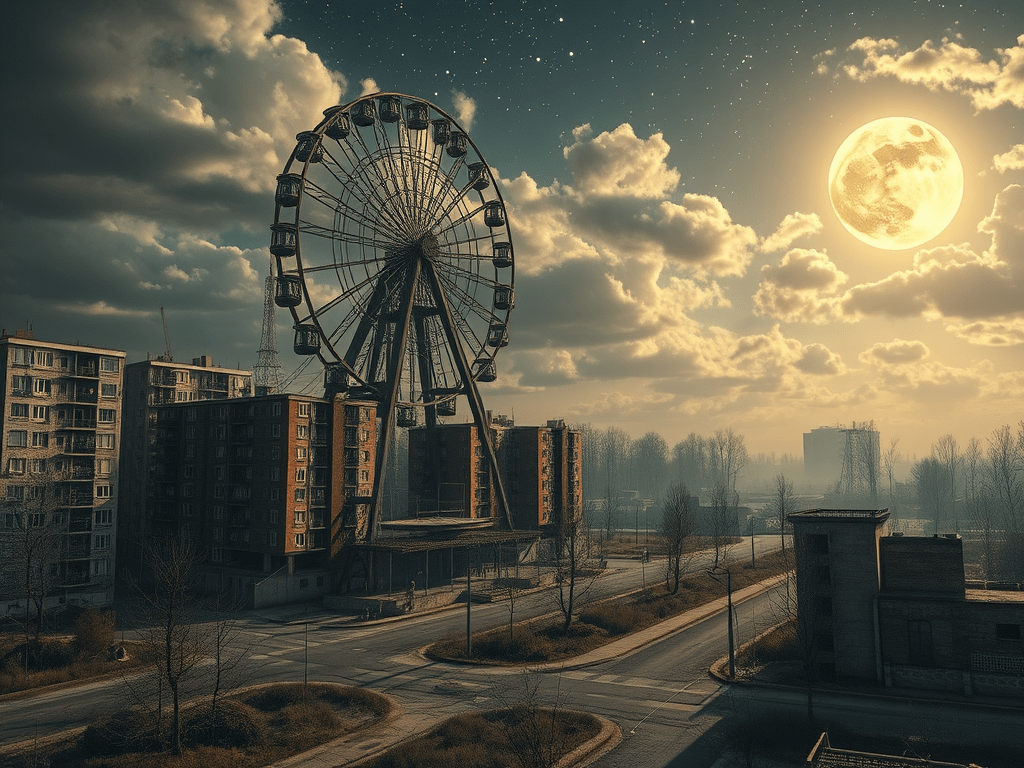 Continue reading →: The Ghost of the Atom: A Tale of Chernobyl’s Midnight
The Chernobyl disaster began on April 26, 1986, when human error during a safety test combined with the RBMK reactor’s fatal graphite design flaw. This caused a catastrophic steam explosion. Despite official Soviet denial, firefighters and hundreds of thousands of Liquidators sacrificed their health to contain the fallout, preventing a…
-
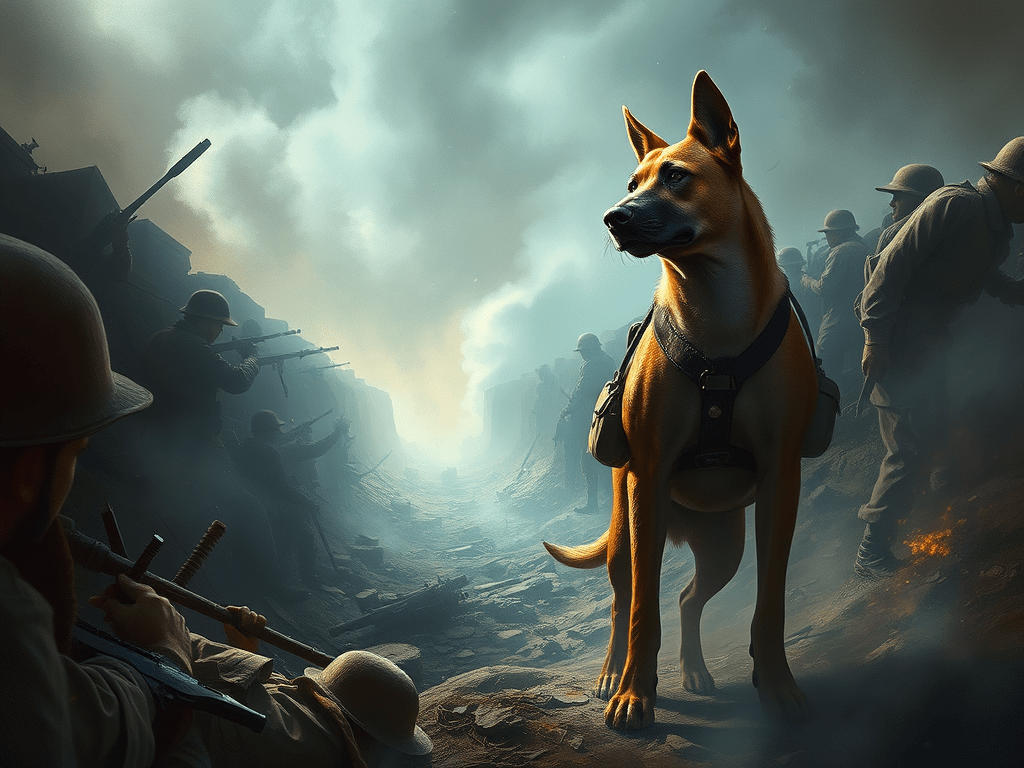 Continue reading →: Stubby: The Four-Legged Soldier Who Became America’s Greatest War Dog
A stray dog named Stubby wandered into a World War I training camp and became a hero. Smuggled to France, he warned soldiers of gas attacks, carried messages, captured a German spy, and survived 17 battles. Promoted to sergeant, Stubby returned home as America’s most decorated and beloved war dog.
-
 Continue reading →: Maria the Fighting Girlfriend: The Legend of a Soviet Avenger
Maria Oktyabrskaya, a Soviet woman whose husband was killed in WWII, sold her belongings to fund a T-34 tank she named “The Fighting Girlfriend.” She trained as its driver and mechanic, fought bravely on the front lines, and died from battle wounds in 1944, becoming a Hero of the Soviet…
-
 Continue reading →: Concrete, Cannons, and Paranoia: The Rise and Fall of Hitler’s Atlantic Wall
The Atlantic Wall was Hitler’s massive coastal defense system built to repel an Allied invasion. Packed with bunkers, mines, and artillery, it stretched from Norway to France. But on June 6, 1944—D-Day—Allied forces stormed the beaches and broke through, proving that even concrete and fear couldn’t stop liberation.
-
 Continue reading →: The Manhattan Project: Building the Bomb That Changed the World
In 1939, as World War II loomed, Einstein and Szilárd warned President Roosevelt about Nazi atomic bomb efforts, leading to the Manhattan Project. General Groves and physicist Oppenheimer led this secret initiative, which included key sites like Los Alamos and Oak Ridge. The successful Trinity test in 1945 marked the…
-
 Continue reading →: Napoleon at Waterloo: The Emperor’s Last Gamble
At Waterloo in June 1815, Napoleon fought Wellington’s Allies and Blücher’s Prussians in a desperate bid to reclaim Europe. Mud, fierce defenses, and Prussian reinforcements stalled him. His fabled Imperial Guard broke, and France collapsed in defeat. Napoleon’s last gamble ended in exile, forever reshaping Europe’s balance of power.
-
 Continue reading →: The Battle of the Little Bighorn: Custer’s Last Stand and the Clash of Nations
The Battle of the Little Bighorn in June 1876 saw Lakota Sioux, Cheyenne, and Arapaho warriors defeat Custer’s 7th Cavalry in a stunning victory. Known as “Custer’s Last Stand,” it symbolized Native resistance to U.S. expansion, yet ultimately marked the beginning of their forced confinement to reservations.
-
 Continue reading →: Cinco de Mayo: The Battle That Sparked a Legend
Cinco de Mayo commemorates the Battle of Puebla on May 5, 1862, when a smaller Mexican army defeated French forces. This victory symbolized resistance against foreign domination and showcased the courage of local fighters. While it’s celebrated in the U.S. as a cultural festival, its historical significance lies in Mexico’s…
-
 Continue reading →: Flash and Shadow: The Story of the Atomic Bomb — How Science, War, and Choices Collided
In the late 1930s, scientists discovered nuclear fission, prompting fears of a powerful bomb. This led to the Manhattan Project, where physicists developed two atomic bombs, Little Boy and Fat Man. The bombs were dropped on Hiroshima and Nagasaki in August 1945, ending World War II but also initiating a…
-
 Continue reading →: Burn the Boats: Hernán Cortés and the Point of No Return
In 1519, Hernán Cortés ordered his men to “burn the boats” upon arriving in Mexico, symbolizing total commitment to conquest without the option of retreat. This bold decision united his troops, enabling the eventual fall of the Aztec Empire. Cortés’s legacy endures as a metaphor for determination and leadership.
Welcome to History in 5!
This blog is dedicated to the hidden, fascinating stories you didn’t learn in your high school history class. Each story is designed to be read in 5 minutes or less—perfect for the history lover on the go!
Dive in, and discover the untold tales that make history truly come alive!
- Age of Exploration (4)
- America Frontier (2)
- American Revolutiuon (11)
- Ancient Egypt (1)
- Ancient Greece (5)
- Ancient History (2)
- Automobiles (1)
- Business Tycoons (1)
- Cars (1)
- Christmas (1)
- Civil Rights (1)
- Civil War (7)
- Cold War (10)
- Conspiracies (1)
- Duels (1)
- Early 20th Century (5)
- Early American Republic (3)
- Emperors (5)
- European History (1)
- Fast Food (1)
- Folklore (2)
- founding fathers (2)
- Haunted Houses (1)
- Heists (1)
- Historical Mysteries (1)
- Korean War (1)
- Mexican American War (1)
- Mexican History (1)
- Middle Ages (6)
- Military (21)
- Movies (9)
- Myths and Legends (1)
- Pirates (4)
- Poland (1)
- Restaurants (1)
- Roman Empire (8)
- Scandals (1)
- Space Race (1)
- Spanish American War (1)
- Texas Independence (1)
- The American West (2)
- The Gilded Age (4)
- The Knight Templar (1)
- The Knights Templar (1)
- The New World (1)
- The Unexplained (6)
- US Presidents (20)
- Vietnam War (3)
- Viking History (2)
- War of 1812 (1)
- Wild West (10)
- World War I (5)
- World War II (24)
Recent posts
-

The Gilded Ghost of Montezuma’s Gold
-

The Gilded Man’s Shadow: A History of El Dorado
-

The Corpse Heist That Built an Empire: How the Ptolemies Conquered Egypt
-
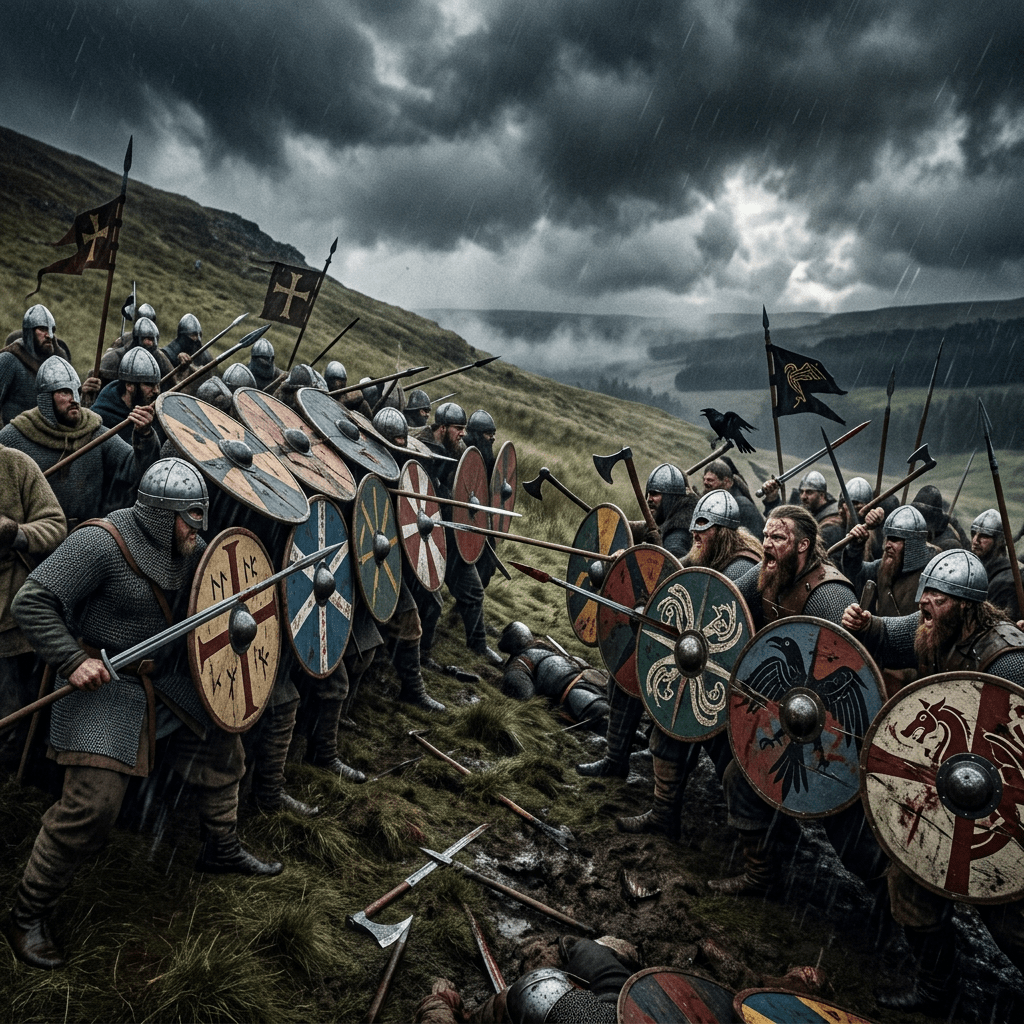
The Swamp King: How Alfred the Great Defeated the Vikings
-
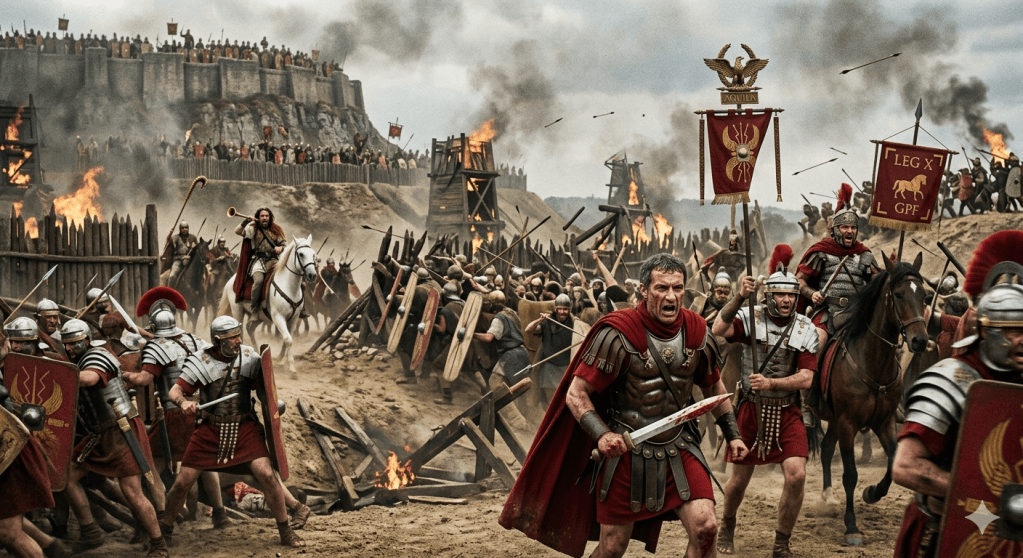
The Day Rome Built a Wall Inside Out: Julius Caesar’s Double-Walled Siege of Alesia
-
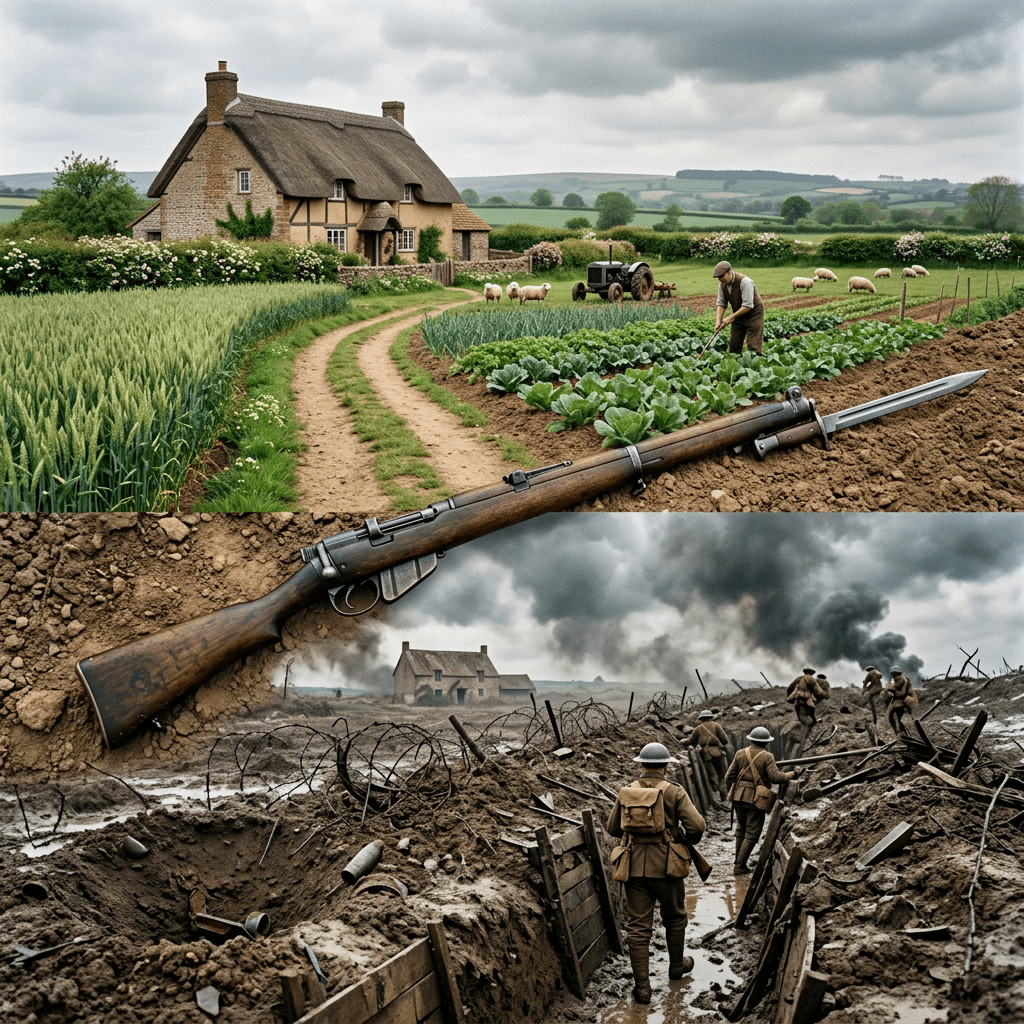
The Reluctant Rifleman: How Alvin York Conquered His Conscience and the German Army
- July 2026
- June 2026
- May 2026
- April 2026
- March 2026
- February 2026
- January 2026
- December 2025
- November 2025
- October 2025
- September 2025
- August 2025
- July 2025
- June 2025
- May 2025
- April 2025
- March 2025
- February 2025
- January 2025
- December 2024
- November 2024
- May 2024
- April 2024
- March 2024
- February 2024
- January 2024
 History in 5 Minutes or less