-
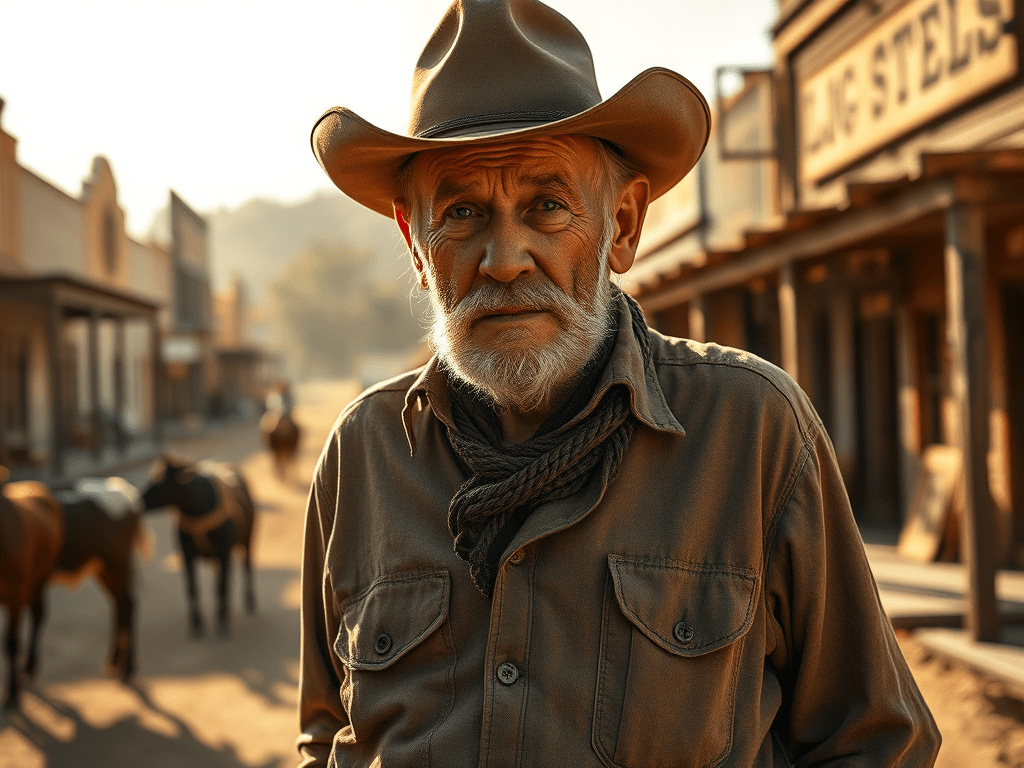 Continue reading →: Brushy Bill Roberts: The Man Who Would Be Kid
In 1948, Ollie “Brushy Bill” Roberts claimed to be Billy the Kid, stoking controversy in Hico, Texas. Despite being reported dead in 1881, Roberts detailed his past and sought a pardon promised by Governor Lew Wallace. His story sparked debates over his identity, preserving the legendary allure of Billy the…
-
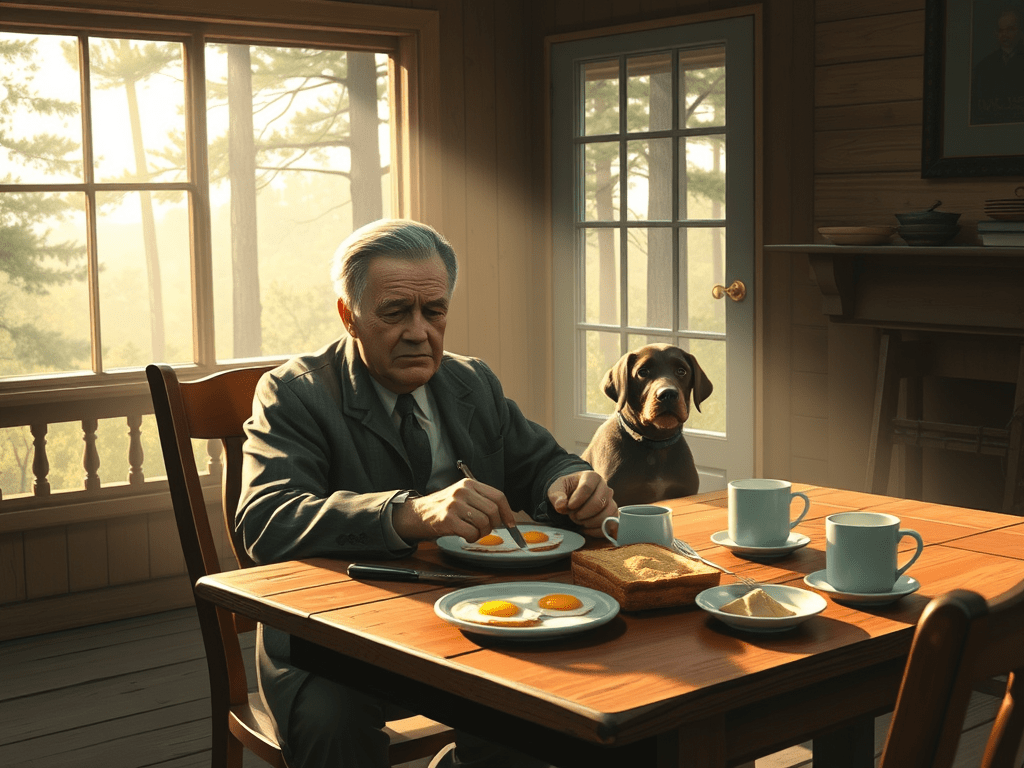 Continue reading →: The Day the World Shifted: April 12, 1945 — The Death of FDR
In April 1945, Franklin Delano Roosevelt, a symbol of American resilience, succumbed to a massive cerebral hemorrhage at Warm Springs. His death prompted nationwide mourning, as he had led the U.S. through the Great Depression and WWII. Harry Truman succeeded him, facing immense challenges while continuing FDR’s legacy of leadership…
-
 Continue reading →: The Bulletproof Bull Moose: The Day Theodore Roosevelt Was Shot and Still Gave His Speech
In the fall of 1912, Theodore Roosevelt launched a third-party campaign for the Progressive Party. During an event in Milwaukee, he survived an assassination attempt, with a bullet striking his chest but not fatally injuring him. Roosevelt delivered a 90-minute speech, affirming his resolve and embodying American courage and defiance.
-
 Continue reading →: Wild Bill Hickok and the Dead Man’s Hand: Death at the Saloon
James Butler Hickok, known as “Wild Bill,” was a famed gunslinger and gambler whose life ended abruptly in 1876 when he was shot in the back during a poker game in Deadwood. His legendary status, intertwined with tales of the “Dead Man’s Hand,” left a significant mark on American folklore…
-
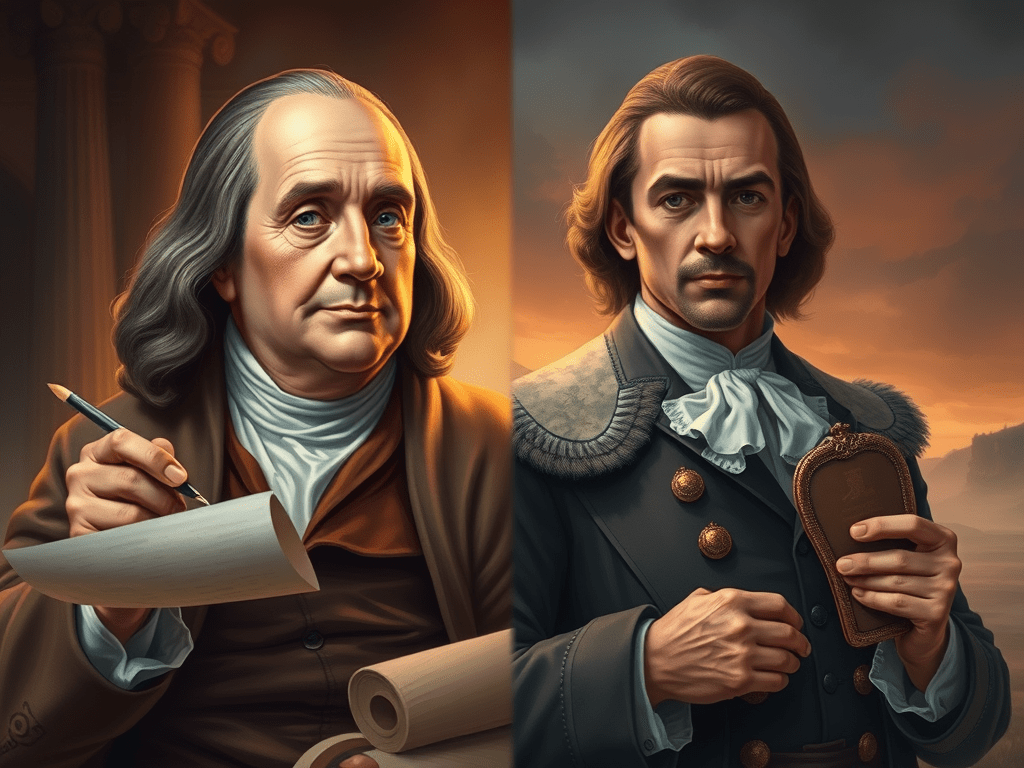 Continue reading →: Benjamin Franklin and His Estranged Son: A Founding Father Divided
The relationship between Benjamin Franklin and his son, William, deteriorated due to their opposing loyalties during the American Revolution. While Benjamin embraced rebellion, William remained a Loyalist, leading to estrangement. Their story highlights the personal conflicts caused by ideological divides, mirroring the nation’s struggles. Ultimately, they became symbols of divergent…
-
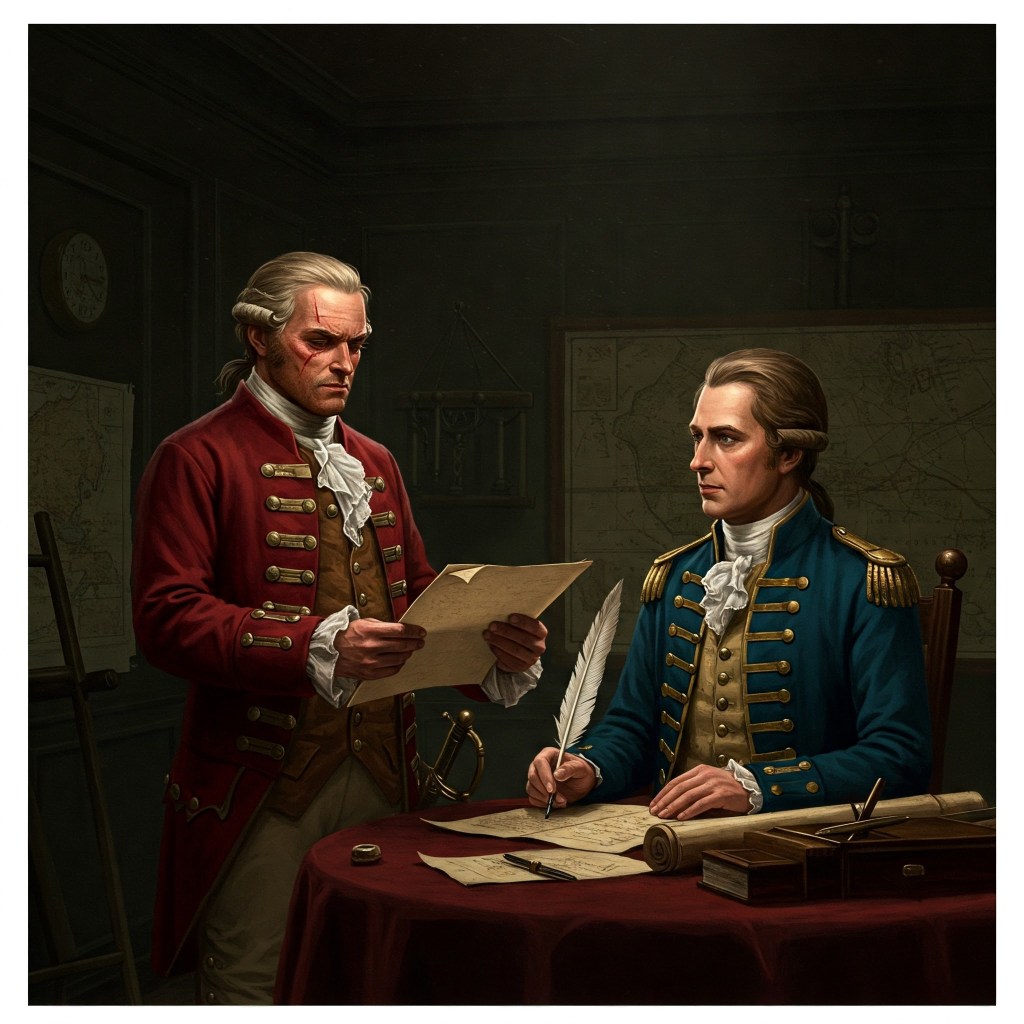 Continue reading →: Traitors in Correspondence: Benedict Arnold, John André, and the Road to Treason
Benedict Arnold, a prominent general turned traitor during the American Revolution, conspired with British Major John André to surrender West Point for £20,000. Their plot unraveled when André was captured, leading to his execution. Arnold fled, living shamefully in Britain before dying in obscurity, his name synonymous with treachery.
-
 Continue reading →: A Lion and a Bear: The Feud Between Andrew Jackson and Davy Crockett
The political rivalry between Tennessee icons Andrew Jackson and Davy Crockett epitomized early 19th-century American tensions. Jackson, a staunch proponent of the Indian Removal Act, and Crockett, who opposed it, clashed dramatically. Their feud symbolized broader national conflicts, showcasing differing visions for America’s future as Crockett ultimately chose independence over…
-
 Continue reading →: The Ia Drang Battle: Lessons from Vietnam’s First Major Conflict
By the early 1960s, Vietnam evolved into a key Cold War conflict. U.S. involvement escalated following the Gulf of Tonkin incident, leading to significant battles like Ia Drang, where outnumbered American troops faced fierce North Vietnamese assaults. This conflict foreshadowed the brutal and drawn-out Vietnam War, emphasizing the misinterpretation of…
-
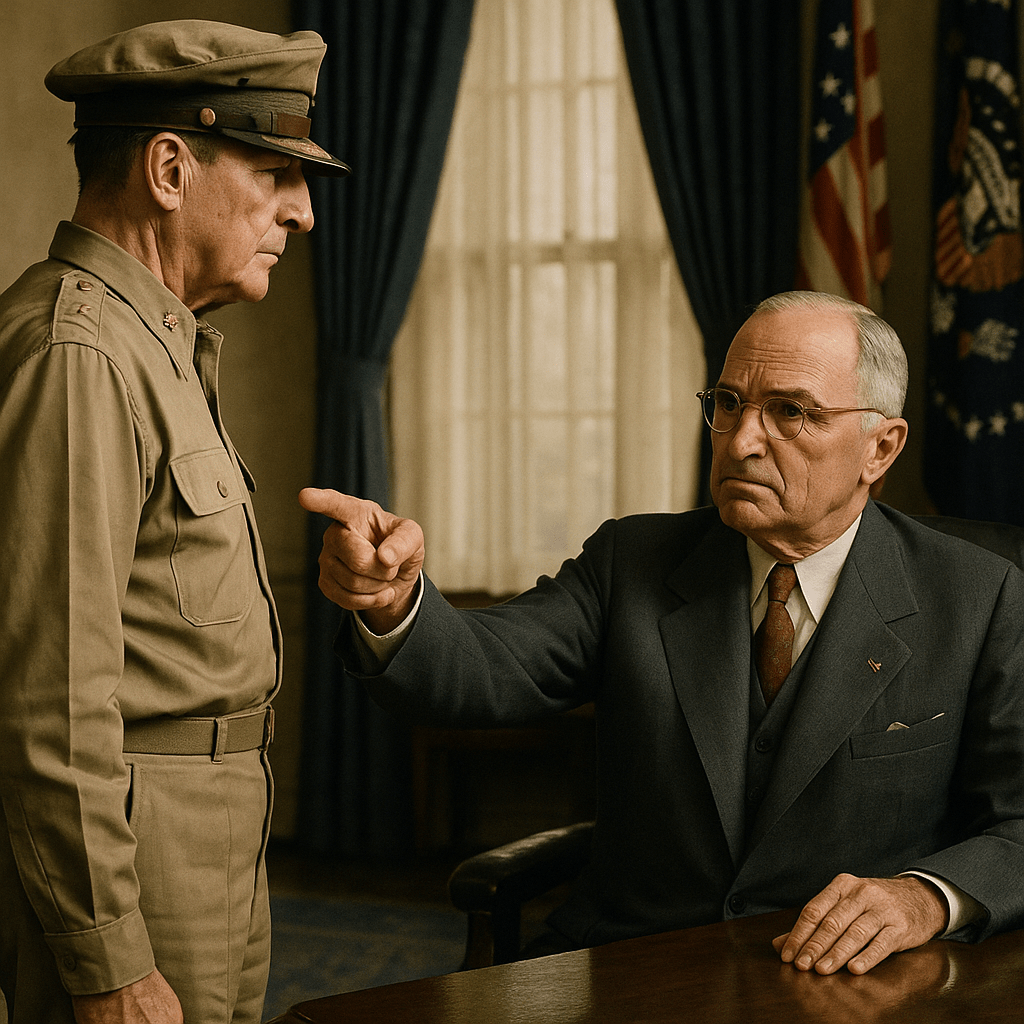 Continue reading →: When the President Fired the General: Truman vs. MacArthur
In the aftermath of World War II, President Harry Truman and General Douglas MacArthur clashed over strategies during the Korean War. MacArthur’s aggressive approach conflicted with Truman’s desire for a limited war. This conflict culminated in Truman firing MacArthur in 1951, asserting civilian control over the military and shaping the…
-
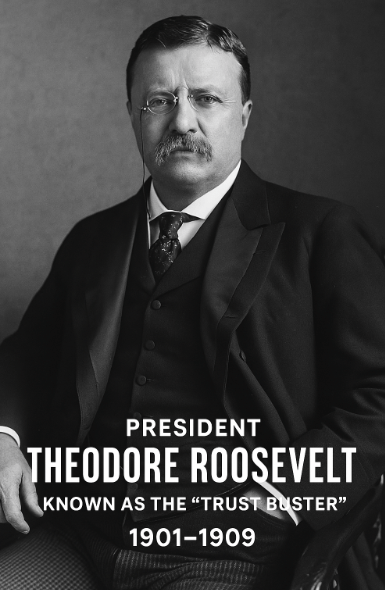 Continue reading →: Teddy Roosevelt vs. The Trusts: How a Rough Rider Took on America’s Corporate Giants
When Theodore Roosevelt became president in 1901, he brought with him a unique mix of cowboy swagger, progressive ideals, and an unshakable belief that government should serve the people—not the powerful. At a time when monopolies ruled much of the American economy, Roosevelt took the fight directly to the captains…
Welcome to History in 5!
This blog is dedicated to the hidden, fascinating stories you didn’t learn in your high school history class. Each story is designed to be read in 5 minutes or less—perfect for the history lover on the go!
Dive in, and discover the untold tales that make history truly come alive!
- Age of Exploration (1)
- America Frontier (2)
- American Revolutiuon (11)
- Ancient Greece (4)
- Ancient History (2)
- Automobiles (1)
- Cars (1)
- Christmas (1)
- Civil Rights (1)
- Civil War (7)
- Cold War (8)
- Duels (1)
- Early 20th Century (4)
- Early American Republic (1)
- Emperors (4)
- European History (1)
- Folklore (1)
- founding fathers (2)
- Haunted Houses (1)
- Heists (1)
- Historical Mysteries (1)
- Korean War (1)
- Mexican American War (1)
- Mexican History (1)
- Middle Ages (1)
- Military (21)
- Movies (9)
- Pirates (4)
- Roman Empire (7)
- Scandals (1)
- Space Race (1)
- Spanish American War (1)
- Texas Independence (1)
- The American West (1)
- The Gilded Age (4)
- The Knight Templar (1)
- The Knights Templar (1)
- The Unexplained (6)
- US Presidents (19)
- Vietnam War (2)
- War of 1812 (1)
- Wild West (9)
- World War I (4)
- World War II (21)
Recent posts
-
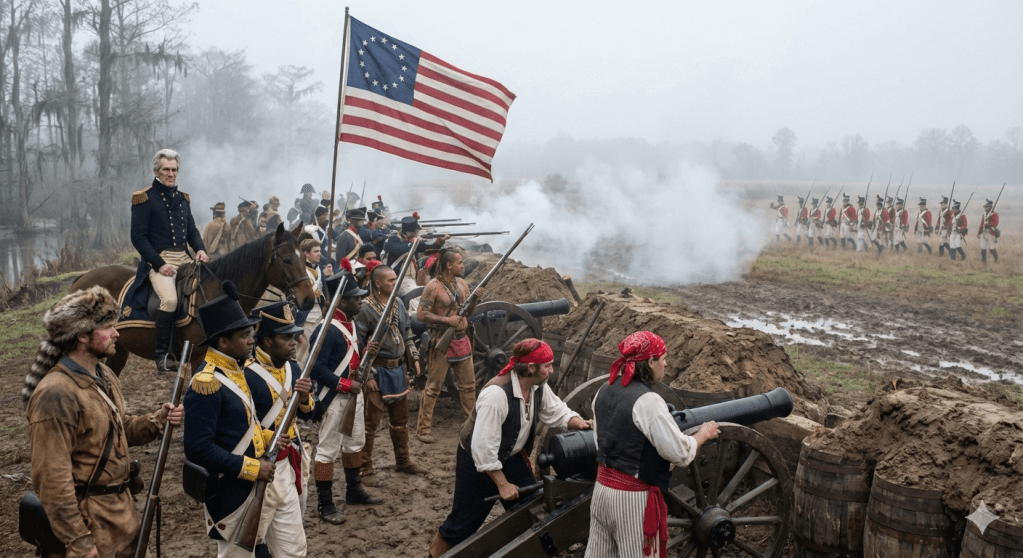
The Muddy Miracle of New Orleans: How Andrew Jackson and a Band of Misfits Won a War That Was Already Over
-
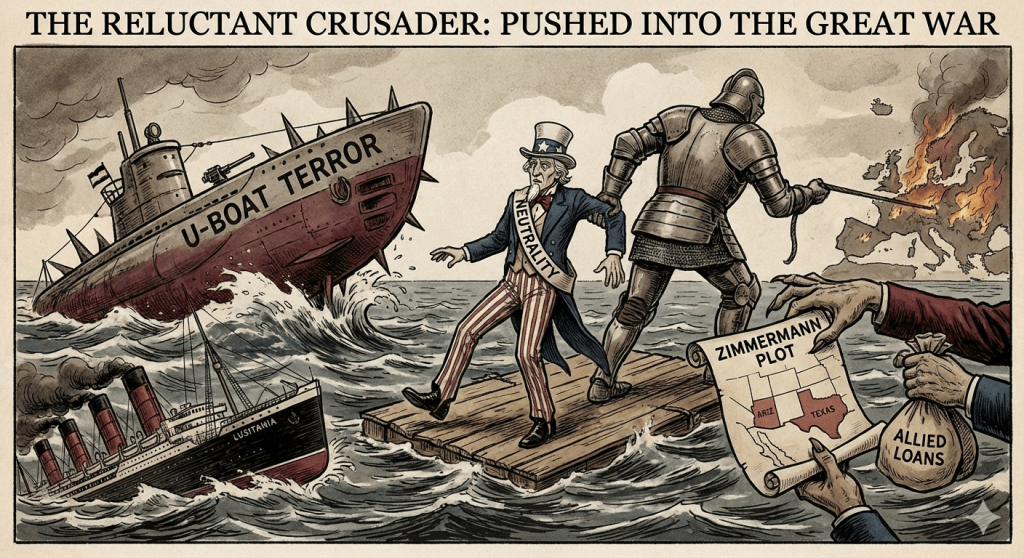
The Spy, the Submarine, and the Secret Telegram: How a Reluctant America Joined the Great War
-
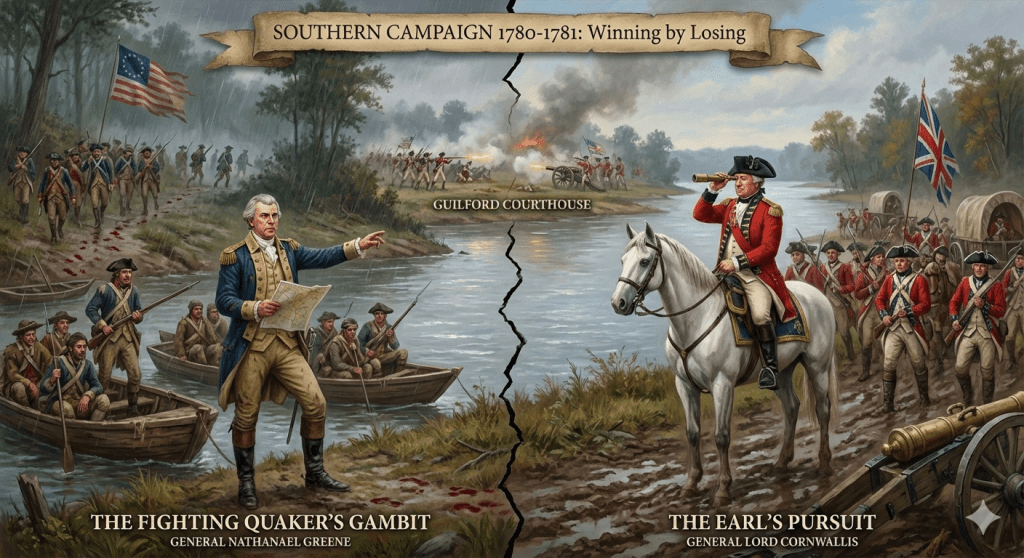
The Blacksmith and the Earl: How Nathanael Greene Won the Revolution by Losing Every Battle
-

The Patriot: 5 things the move got right and 5 things that were a stretch.
-
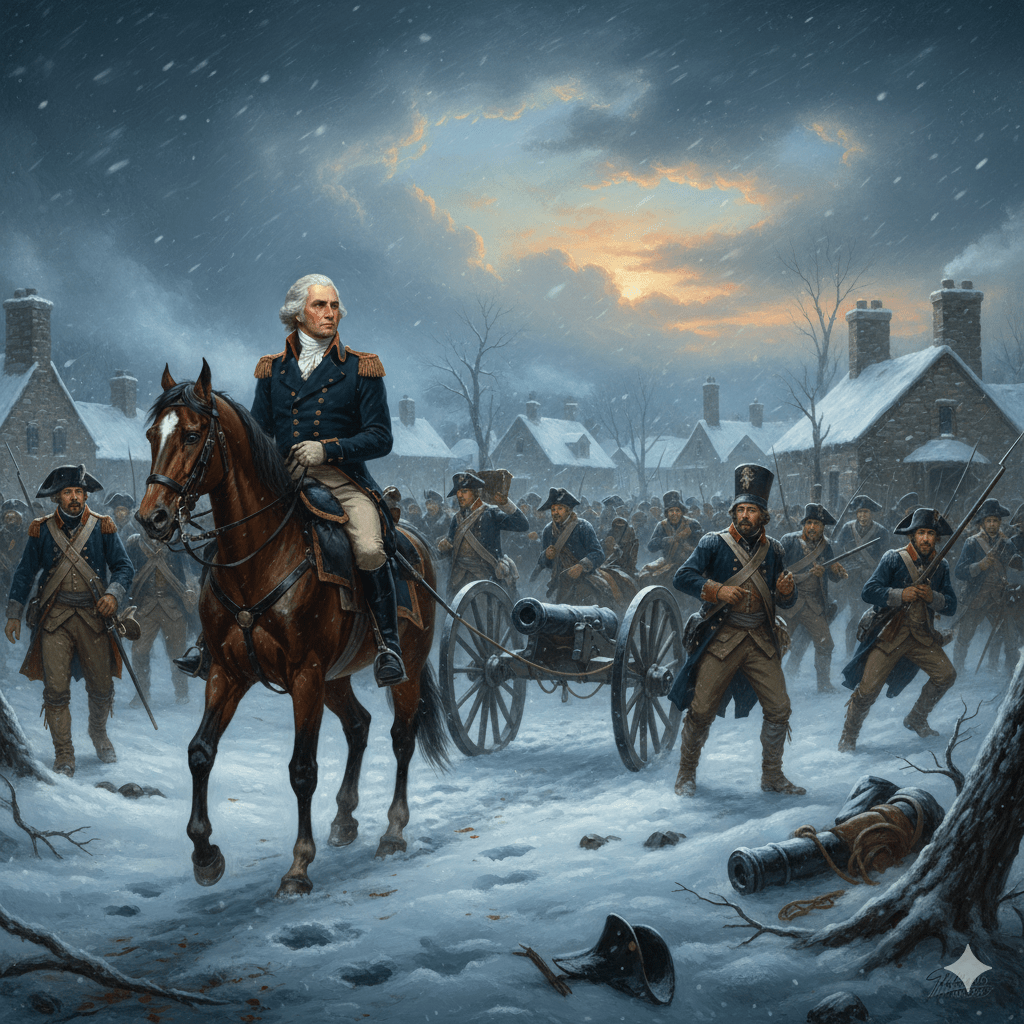
The Christmas Miracle: Washington’s Daring Dash to Trenton
-

The Fall of the Soviet Union Part III: Revolution from Above (1990–1991): The Final Days
- January 2026
- December 2025
- November 2025
- October 2025
- September 2025
- August 2025
- July 2025
- June 2025
- May 2025
- April 2025
- March 2025
- February 2025
- January 2025
- December 2024
- November 2024
- May 2024
- April 2024
- March 2024
- February 2024
- January 2024
 History in 5 Minutes or less