-
 Continue reading →: The Battle of the Little Bighorn: Custer’s Last Stand and the Clash of Nations
The Battle of the Little Bighorn in June 1876 saw Lakota Sioux, Cheyenne, and Arapaho warriors defeat Custer’s 7th Cavalry in a stunning victory. Known as “Custer’s Last Stand,” it symbolized Native resistance to U.S. expansion, yet ultimately marked the beginning of their forced confinement to reservations.
-
 Continue reading →: Cinco de Mayo: The Battle That Sparked a Legend
Cinco de Mayo commemorates the Battle of Puebla on May 5, 1862, when a smaller Mexican army defeated French forces. This victory symbolized resistance against foreign domination and showcased the courage of local fighters. While it’s celebrated in the U.S. as a cultural festival, its historical significance lies in Mexico’s…
-
 Continue reading →: Flash and Shadow: The Story of the Atomic Bomb — How Science, War, and Choices Collided
In the late 1930s, scientists discovered nuclear fission, prompting fears of a powerful bomb. This led to the Manhattan Project, where physicists developed two atomic bombs, Little Boy and Fat Man. The bombs were dropped on Hiroshima and Nagasaki in August 1945, ending World War II but also initiating a…
-
 Continue reading →: Burn the Boats: Hernán Cortés and the Point of No Return
In 1519, Hernán Cortés ordered his men to “burn the boats” upon arriving in Mexico, symbolizing total commitment to conquest without the option of retreat. This bold decision united his troops, enabling the eventual fall of the Aztec Empire. Cortés’s legacy endures as a metaphor for determination and leadership.
-
 Continue reading →: The Pentagon Papers: How One Leak Shook America’s Trust
In 1971, the Pentagon Papers revealed how the U.S. government misled the public about the Vietnam War, igniting distrust and transforming press freedom. Daniel Ellsberg leaked the classified report, leading to a Supreme Court ruling favoring journalistic transparency. This episode influenced political skepticism and set precedents for future whistleblowers.
-
 Continue reading →: 1917: What Sam Mendes’ World War I Epic Got Right—And What It Got Wrong
Sam Mendes’ 1917 immerses audiences into the horrors of World War I through a single-shot format, capturing the grim experiences of British soldiers Blake and Schofield tasked with delivering a crucial message. The film earns acclaim for its authenticity, despite historical inaccuracies that serve the dramatic narrative. Ultimately, it honors…
-
 Continue reading →: How Henry Ford Took on ALAM and Redefined the American Automobile Industry
Henry Ford aimed to democratize automobiles in the early 20th century, facing opposition from the ALAM, which enforced the Selden Patent. Despite initial legal defeats, Ford’s innovative approach and the revolutionary Model T helped dismantle the cartel’s monopoly, ushering in an era of affordable cars and reshaping the American auto…
-
 Continue reading →: The Battle of the Bulge: Hitlers last Gamble
The Battle of the Bulge (Dec 1944–Jan 1945) was Hitler’s last major Western Front offensive. Launching a surprise attack in the Ardennes, German forces nearly broke Allied lines. Fierce American resistance at Bastogne, Patton’s rapid counterattack, and Allied air power turned the tide, crippling Germany’s strength and hastening its defeat.
-
 Continue reading →: The Day Lee Harvey Oswald Was Shot: Chaos, Shock, and the Aftermath
On November 24, 1963, Lee Harvey Oswald—accused assassin of President John F. Kennedy—was fatally shot by nightclub owner Jack Ruby during a live televised transfer. His death shocked America, deepened conspiracy theories, and erased any chance of a trial, leaving unanswered questions that still fuel debate about the assassination’s true…
-
Continue reading →: Gladiator: What the Movie Got Right—and What It Got Wrong
Ridley Scott’s Gladiator blends fact and fiction in its depiction of ancient Rome. The film accurately portrays the grandeur of the Colosseum, Roman politics, and Commodus’ obsession with gladiators, but invents Maximus, compresses history, and dramatizes events like Marcus Aurelius’ murder. A cinematic epic, not a documentary.
Welcome to History in 5!
This blog is dedicated to the hidden, fascinating stories you didn’t learn in your high school history class. Each story is designed to be read in 5 minutes or less—perfect for the history lover on the go!
Dive in, and discover the untold tales that make history truly come alive!
- Age of Exploration (4)
- America Frontier (4)
- American Revolutiuon (11)
- Ancient Egypt (1)
- Ancient Greece (5)
- Ancient History (2)
- Automobiles (1)
- Business Tycoons (2)
- Cars (1)
- Christmas (1)
- Civil Rights (1)
- Civil War (7)
- Cold War (10)
- Conspiracies (1)
- Duels (1)
- Early 20th Century (5)
- Early American Republic (3)
- Emperors (5)
- European History (1)
- Fast Food (1)
- Folklore (2)
- founding fathers (2)
- Haunted Houses (1)
- Heists (1)
- Historical Mysteries (1)
- Korean War (1)
- Mexican American War (2)
- Mexican History (1)
- Middle Ages (6)
- Military (21)
- Movies (9)
- Myths and Legends (1)
- Natural Disasters (1)
- Naval Combat (1)
- Pirates (4)
- Poland (1)
- Restaurants (1)
- Roman Empire (8)
- Scandals (1)
- Space Race (1)
- Spanish American War (1)
- Texas Independence (1)
- The American West (2)
- The Gilded Age (4)
- The Knight Templar (1)
- The Knights Templar (1)
- The New World (1)
- The Unexplained (6)
- US Presidents (20)
- Vietnam War (3)
- Viking History (2)
- War of 1812 (1)
- Wild West (10)
- World War I (5)
- World War II (25)
Recent posts
-
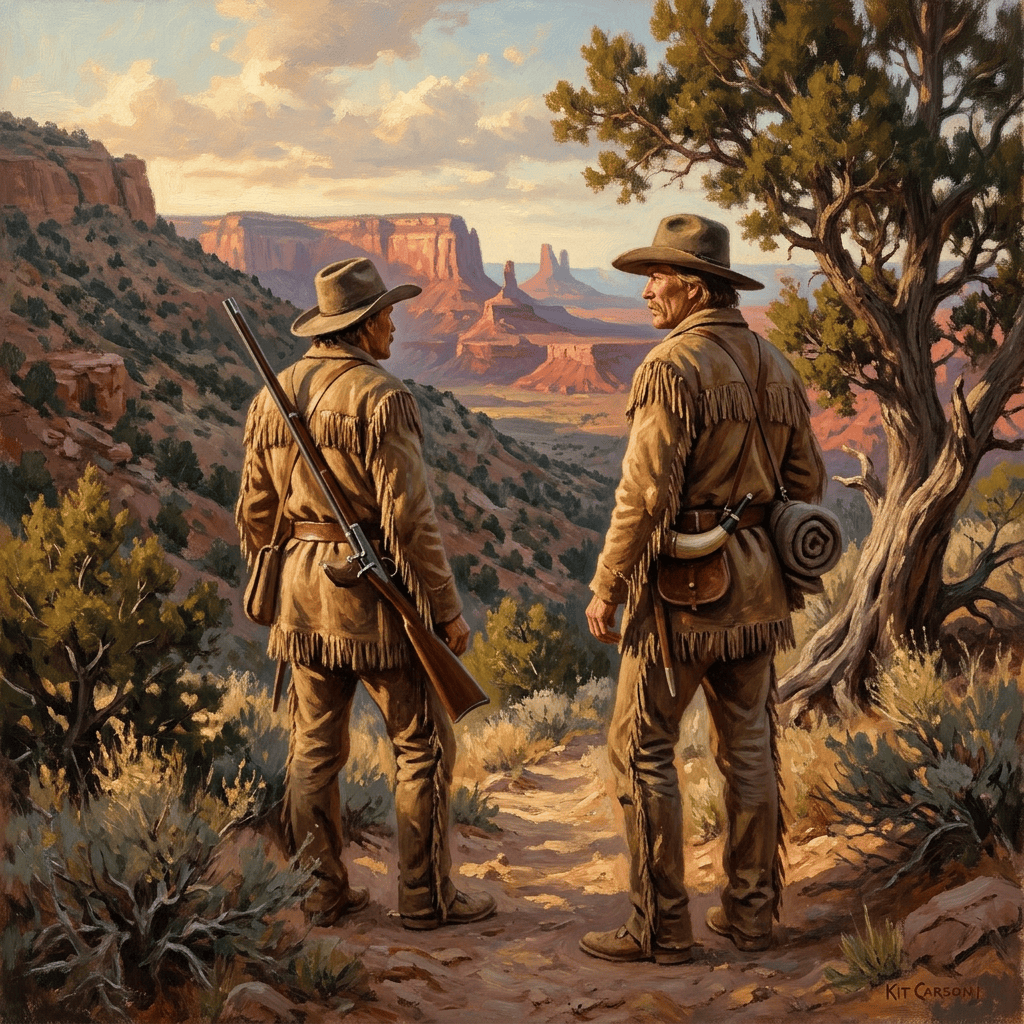
The Trailblazer, the Trapper, and the Scourge: The Untold Story of Kit Carson
-
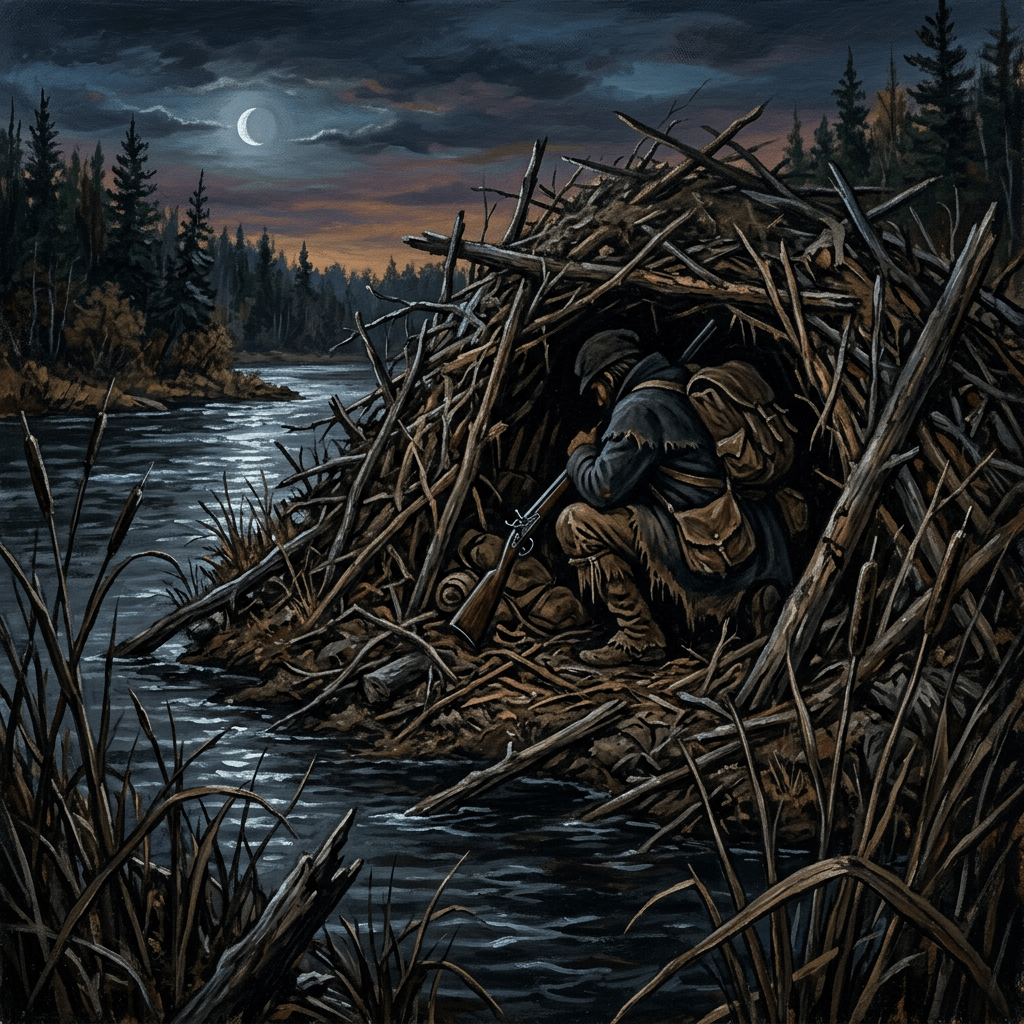
Five Miles of Fire: The Legendary Escape of John Colter
-

WHEN THE DAM BROKE: THE DAY A BILLIONAIRE’S PLAYGROUND DROWNED A TOWN
-

The Hunt for the Bismarck: The 1941 Naval Pursuit That Changed Warfare
-

The Gilded Ghost of Montezuma’s Gold
-
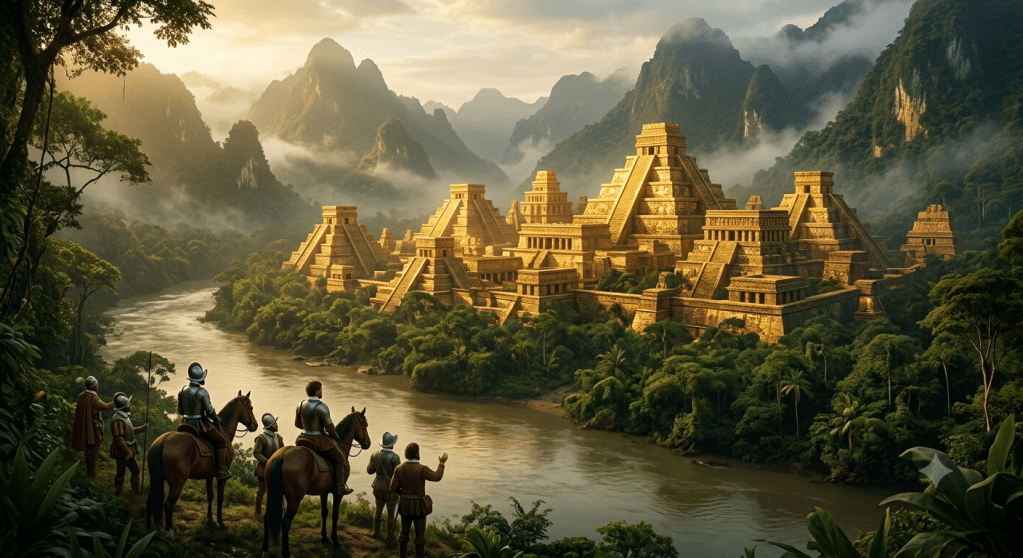
The Gilded Man’s Shadow: A History of El Dorado
- September 2026
- August 2026
- July 2026
- June 2026
- May 2026
- April 2026
- March 2026
- February 2026
- January 2026
- December 2025
- November 2025
- October 2025
- September 2025
- August 2025
- July 2025
- June 2025
- May 2025
- April 2025
- March 2025
- February 2025
- January 2025
- December 2024
- November 2024
- May 2024
- April 2024
- March 2024
- February 2024
- January 2024

