-
 Continue reading →: Five Things Thirteen Days Got Right—and Five It Got Wrong A Historical Deep Dive into the Cuban Missile Crisis on screen.
Thirteen Days, directed by Roger Donaldson, chronicles the Cuban Missile Crisis, featuring accurate depictions of tension, naval blockade, internal dissent, diplomacy, and the U-2 incident. However, it exaggerates Kenneth O’Donnell’s role, oversimplifies ExComm dynamics, overlooks allies’ involvement, compresses timelines, and misrepresents military perspectives. The film, while engaging, sacrifices historical accuracy…
-
 Continue reading →: Against All Odds: The Dunkirk Evacuation That Saved a Nation
In 1940, over 338,000 Allied troops were rescued from Dunkirk, France, in a daring evacuation known as Operation Dynamo. Surrounded by German forces, soldiers were saved by warships and civilian boats in a miraculous escape. Though a retreat, Dunkirk became a symbol of courage, resilience, and Britain’s determination to fight…
-
Continue reading →: Five Things Saving Private Ryan Got Right—And Five It Got Wrong
“Saving Private Ryan, directed by Steven Spielberg, is celebrated for its intense realism and portrayal of WWII, notably the D-Day landing. While it accurately depicts military life and psychological trauma, it also takes liberties with certain historical facts, particularly regarding the mission’s plausibility and character backgrounds. Its essence, however, encapsulates…
-
 Continue reading →: The Robber Barons: Titans of Industry or Thieves in Top Hats?
The Robber Barons were powerful 19th-century industrialists like Rockefeller, Carnegie, Vanderbilt, and Morgan who built vast fortunes through monopolies, ruthless tactics, and labor exploitation. While they revolutionized American industry and later gave millions to philanthropy, their legacy remains a mix of innovation, inequality, and controversy that still echoes today.
-
 Continue reading →: The Mystery of the Kensington Runestone: Vikings in Minnesota?
In 1898, Olof Ohman discovered the Kensington Runestone in Minnesota, inscribed with Viking runes detailing an expedition in 1362. The stone ignited excitement among Scandinavian immigrants, suggesting early Norse exploration in America. However, some scholars disputed its authenticity, sparking debate around its origins, implications, and cultural significance in contemporary society.
-
 Continue reading →: The Last Stand of the 300: The Battle of Thermopylae
In 480 BCE, King Xerxes I of Persia aimed to conquer Greece by attacking the strategic pass of Thermopylae, defended by 300 Spartans and their allies. Their valiant stand against overwhelming odds inspired Greek resistance, despite their ultimate defeat. This sacrifice eventually united the Greeks and helped turn the tide…
-
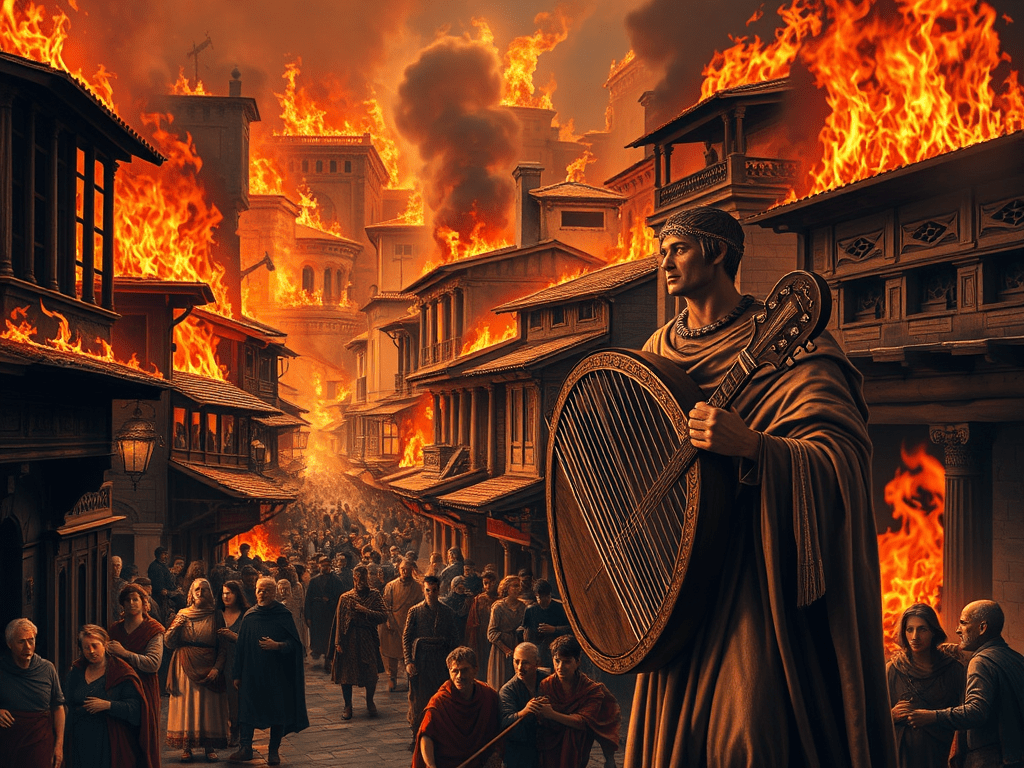 Continue reading →: Nero and the Flames of Rome: Madness, Music, or Misunderstanding?
In July 64 AD, a catastrophic fire consumed Rome, leading to devastation and thousands of homeless residents. Emperor Nero, perceived as detached and theatrical, faced accusations of starting the fire. While he launched rebuilding efforts and scapegoated Christians, his legacy became intertwined with tyranny and artistic delusion, ultimately ending in…
-
 Continue reading →: Operation Paperclip: The Secret Mission That Brought Nazi Scientists to America
After World War II, the U.S. secretly recruited over 1,600 Nazi scientists—including rocket expert Wernher von Braun—through Operation Paperclip. Their pasts were hidden, their crimes overlooked. In exchange, they built America’s missile systems and space program. It was a Faustian bargain that shaped history—and challenged our moral conscience.
-
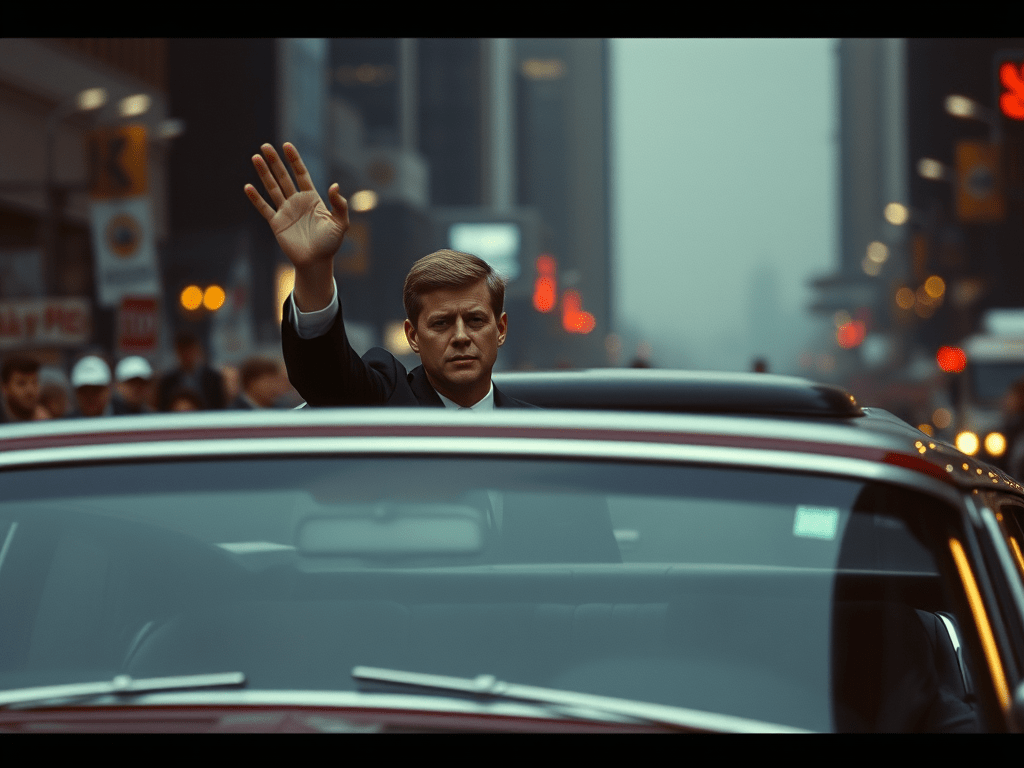 Continue reading →: Missing Matter: The Strange Disappearance of JFK’s Brain
On November 22, 1963, President John F. Kennedy was assassinated in Dallas. His autopsy raised controversies, especially concerning the mysterious disappearance of his brain. Theories about its fate include removal by Robert Kennedy, a conspiracy cover-up, or bureaucratic blunder. The incident highlights unresolved questions regarding JFK’s assassination.
-
 Continue reading →: The Mystery of the Winchester House: Madness, Spirits, or Guilt?
In late 19th-century America, Sarah Winchester inherited a vast fortune and a troubled legacy tied to the Winchester rifle. Grieving her family, she embarked on a chaotic architectural project, constructing the enigmatic Winchester Mystery House under the belief it would protect her from vengeful spirits. The mansion’s bizarre design and…
Welcome to History in 5!
This blog is dedicated to the hidden, fascinating stories you didn’t learn in your high school history class. Each story is designed to be read in 5 minutes or less—perfect for the history lover on the go!
Dive in, and discover the untold tales that make history truly come alive!
- Age of Exploration (4)
- America Frontier (4)
- American Revolutiuon (11)
- Ancient Egypt (1)
- Ancient Greece (5)
- Ancient History (2)
- Automobiles (1)
- Business Tycoons (2)
- Cars (1)
- Christmas (1)
- Civil Rights (1)
- Civil War (7)
- Cold War (10)
- Conspiracies (1)
- Duels (1)
- Early 20th Century (5)
- Early American Republic (3)
- Emperors (5)
- European History (1)
- Fast Food (1)
- Folklore (2)
- founding fathers (2)
- Haunted Houses (1)
- Heists (1)
- Historical Mysteries (1)
- Korean War (1)
- Mexican American War (2)
- Mexican History (1)
- Middle Ages (6)
- Military (21)
- Movies (9)
- Myths and Legends (1)
- Natural Disasters (1)
- Naval Combat (1)
- Pirates (4)
- Poland (1)
- Restaurants (1)
- Roman Empire (8)
- Scandals (1)
- Space Race (1)
- Spanish American War (1)
- Texas Independence (1)
- The American West (2)
- The Gilded Age (4)
- The Knight Templar (1)
- The Knights Templar (1)
- The New World (1)
- The Unexplained (6)
- US Presidents (20)
- Vietnam War (3)
- Viking History (2)
- War of 1812 (1)
- Wild West (10)
- World War I (5)
- World War II (25)
Recent posts
-
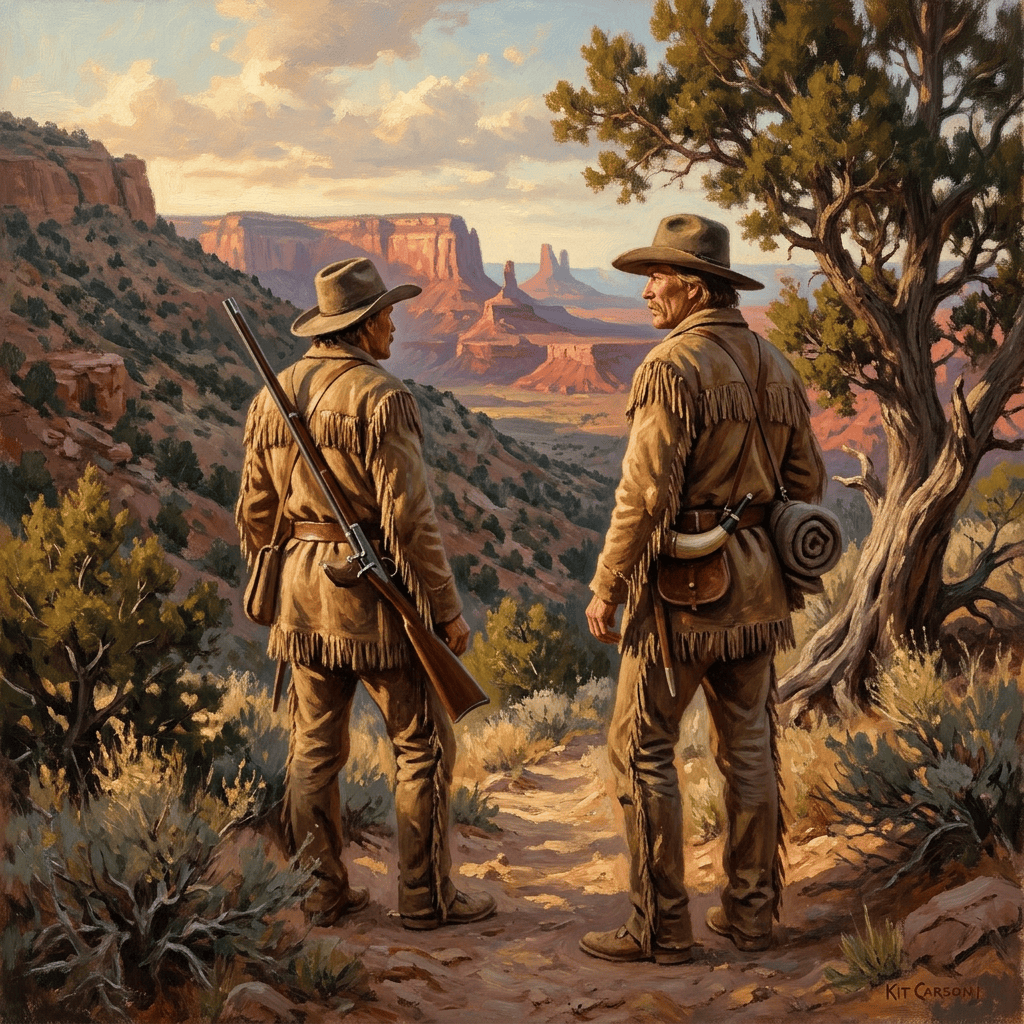
The Trailblazer, the Trapper, and the Scourge: The Untold Story of Kit Carson
-
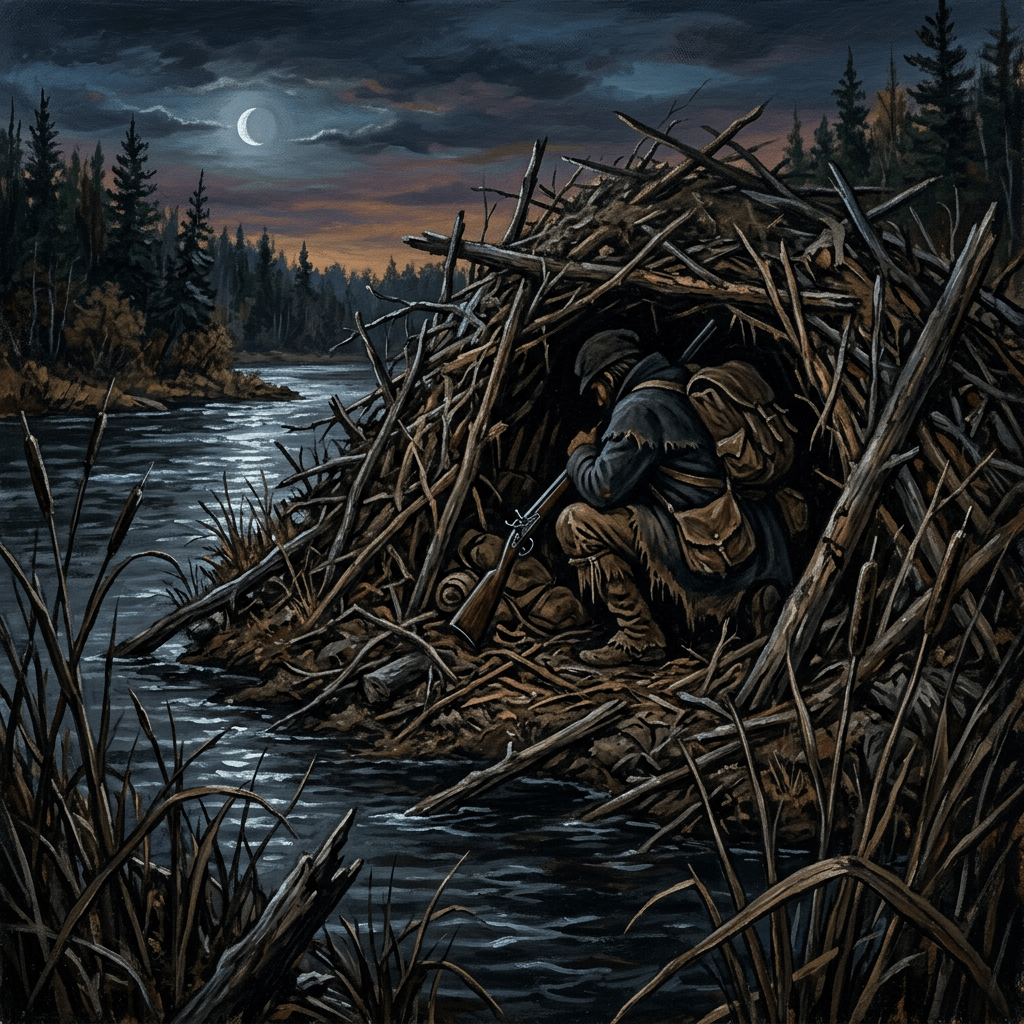
Five Miles of Fire: The Legendary Escape of John Colter
-
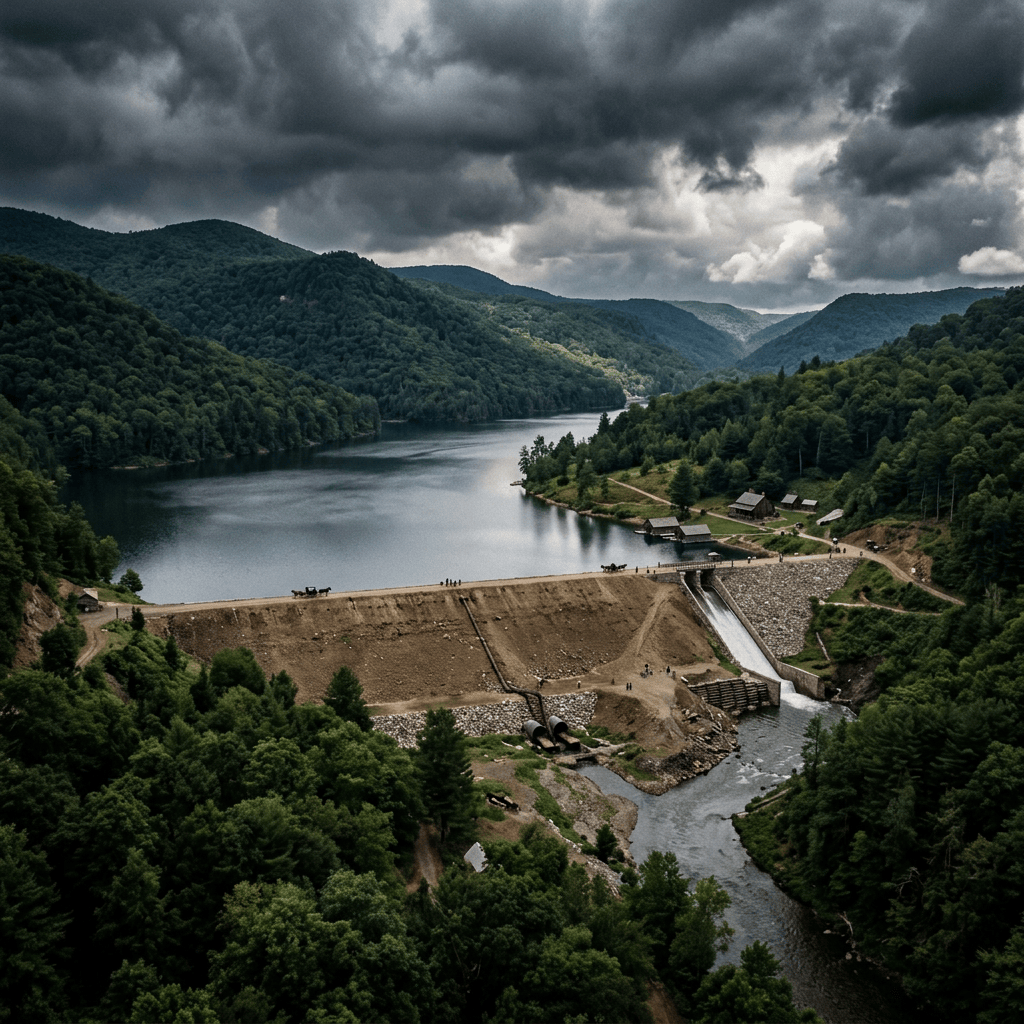
WHEN THE DAM BROKE: THE DAY A BILLIONAIRE’S PLAYGROUND DROWNED A TOWN
-

The Hunt for the Bismarck: The 1941 Naval Pursuit That Changed Warfare
-

The Gilded Ghost of Montezuma’s Gold
-

The Gilded Man’s Shadow: A History of El Dorado
- September 2026
- August 2026
- July 2026
- June 2026
- May 2026
- April 2026
- March 2026
- February 2026
- January 2026
- December 2025
- November 2025
- October 2025
- September 2025
- August 2025
- July 2025
- June 2025
- May 2025
- April 2025
- March 2025
- February 2025
- January 2025
- December 2024
- November 2024
- May 2024
- April 2024
- March 2024
- February 2024
- January 2024

