-
 Continue reading →: Bass Reeves: The Legendary Lawman of the Wild West
Bass Reeves, born into slavery in 1838, escaped to Indian Territory during the Civil War. He became a skilled tracker and lawman, serving as a U.S. Marshal and arresting over 3,000 criminals. Revered for his integrity, he even arrested his own son for murder. Reeves’ legacy as a pioneer of…
-
 Continue reading →: The Soldier Who Spared Hitler: The Missed Shot That Could Have Changed History
In autumn 1918, British soldier Henry Tandey encountered a wounded, unarmed German soldier during battle. He chose mercy instead of pulling the trigger, unknowingly sparing Adolf Hitler’s life. This decision led to speculation about its historical implications, as Tandey later reflected on how that moment may have changed the course…
-
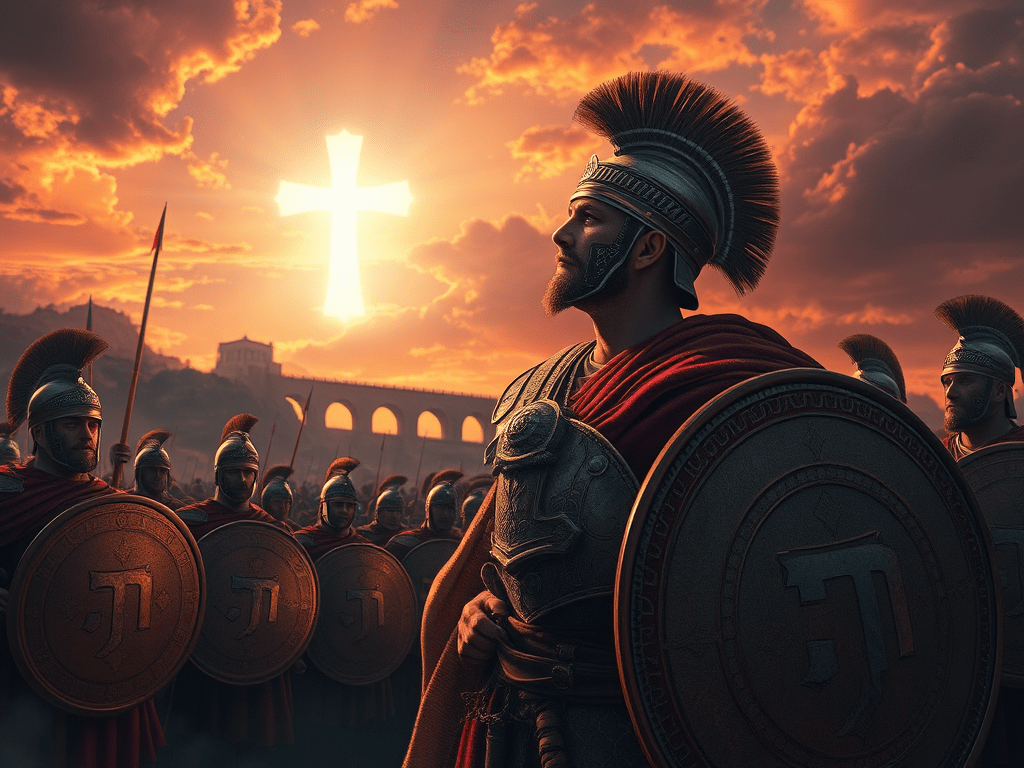 Continue reading →: Constantine’s Vision: The Turning Point for Christianity
In autumn 312 AD, Constantine faced Maxentius at the Milvian Bridge, uncertain about victory. That night, a divine vision appeared, commanding him to mark his soldiers’ shields with the Chi-Rho. The battle ensued, leading to Maxentius’s defeat and Constantine’s triumph, which paved the way for Christianity’s rise in the Roman…
-
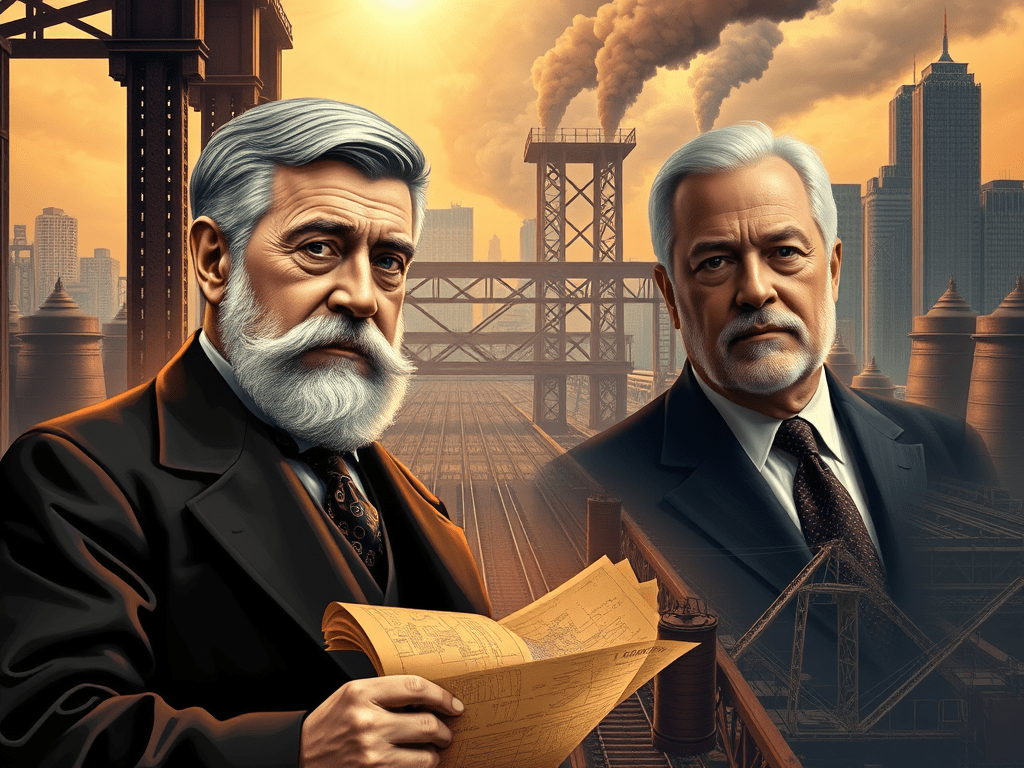 Continue reading →: The Birth of U.S. Steel: Carnegie and Morgan’s Historic Deal
Andrew Carnegie’s Carnegie Steel Company became the world’s largest steel producer in the late 19th century, driven by efficiency and innovation. In 1901, J.P. Morgan acquired the company for $480 million, creating U.S. Steel, the first billion-dollar corporation, which dominated the steel industry and influenced American business practices profoundly.
-
 Continue reading →: Apollo 13: 5 things it got right and 5 things it got wrong
Apollo 13, directed by Ron Howard, is celebrated for its portrayal of NASA’s 1970 lunar mission’s harrowing true story. While it accurately depicts technical challenges and emotional struggles, some elements were dramatized, such as Ken Mattingly’s replacement and character dynamics. Overall, Apollo 13 is recognized as one of the most…
-
 Continue reading →: John D. Rockefeller and the Train That Never Came
John D. Rockefeller, a devout Baptist and ambitious businessman, narrowly escaped a fatal train crash in 1867, reinforcing his belief in divine providence. This event fueled his relentless pursuit of success, leading Standard Oil to become a dominant force in the oil industry. He viewed his wealth as a divine…
-
 Continue reading →: Texas Independence: The Battle of San Jacinto Explained
In April 1836, Texian forces, led by General Sam Houston, faced Mexican troops under Santa Anna at San Jacinto. Utilizing surprise and strategic positioning, the Texians launched a decisive attack, overwhelming the Mexican army in just 18 minutes. This victory secured Texas’ independence and paved the way for its later…
-
 Continue reading →: The Alamo: A Defiant Stand for Texas Independence
In 1836, fewer than 200 Texian rebels defended the Alamo against Santa Anna’s 6,000-strong Mexican army. After a 13-day siege, the fortress fell in a brutal final assault. Though all defenders were killed, their sacrifice inspired the rallying cry “Remember the Alamo!” and fueled Texas’ fight for independence.
-
Continue reading →: Tombstone: 5 Things It Got Right & 5 Things It Got Wrong
The film Tombstone, featuring Kurt Russell and Val Kilmer, presents a compelling portrayal of the Old West, highlighting the Earp brothers’ conflict with the Cowboys. While the movie accurately depicts the Gunfight at the O.K. Corral and character traits, it also takes liberties with events and details, blending fact with…
-
 Continue reading →: The Burr-Hamilton Duel: A Clash of Ambition
In July 1804, longstanding political rivals Aaron Burr and Alexander Hamilton dueled in Weehawken. Following a personal slight, Burr fatally shot Hamilton, who died the next day. Hamilton’s legacy as a founding figure endured, while Burr became a political pariah, remembered more for the duel than his own achievements.
Welcome to History in 5!
This blog is dedicated to the hidden, fascinating stories you didn’t learn in your high school history class. Each story is designed to be read in 5 minutes or less—perfect for the history lover on the go!
Dive in, and discover the untold tales that make history truly come alive!
- Age of Exploration (1)
- America Frontier (2)
- American Revolutiuon (11)
- Ancient Greece (4)
- Ancient History (2)
- Automobiles (1)
- Cars (1)
- Christmas (1)
- Civil Rights (1)
- Civil War (7)
- Cold War (9)
- Duels (1)
- Early 20th Century (4)
- Early American Republic (2)
- Emperors (4)
- European History (1)
- Folklore (1)
- founding fathers (2)
- Haunted Houses (1)
- Heists (1)
- Historical Mysteries (1)
- Korean War (1)
- Mexican American War (1)
- Mexican History (1)
- Middle Ages (3)
- Military (21)
- Movies (9)
- Pirates (4)
- Roman Empire (7)
- Scandals (1)
- Space Race (1)
- Spanish American War (1)
- Texas Independence (1)
- The American West (1)
- The Gilded Age (4)
- The Knight Templar (1)
- The Knights Templar (1)
- The Unexplained (6)
- US Presidents (19)
- Vietnam War (3)
- War of 1812 (1)
- Wild West (9)
- World War I (4)
- World War II (23)
Recent posts
-

The Impossible Mission: How Jimmy Doolittle and 80 Brave Men Shocked Japan
-

“Don’t Worry About It”: The Three Tragic Words That Cost Pearl Harbor Everything
-
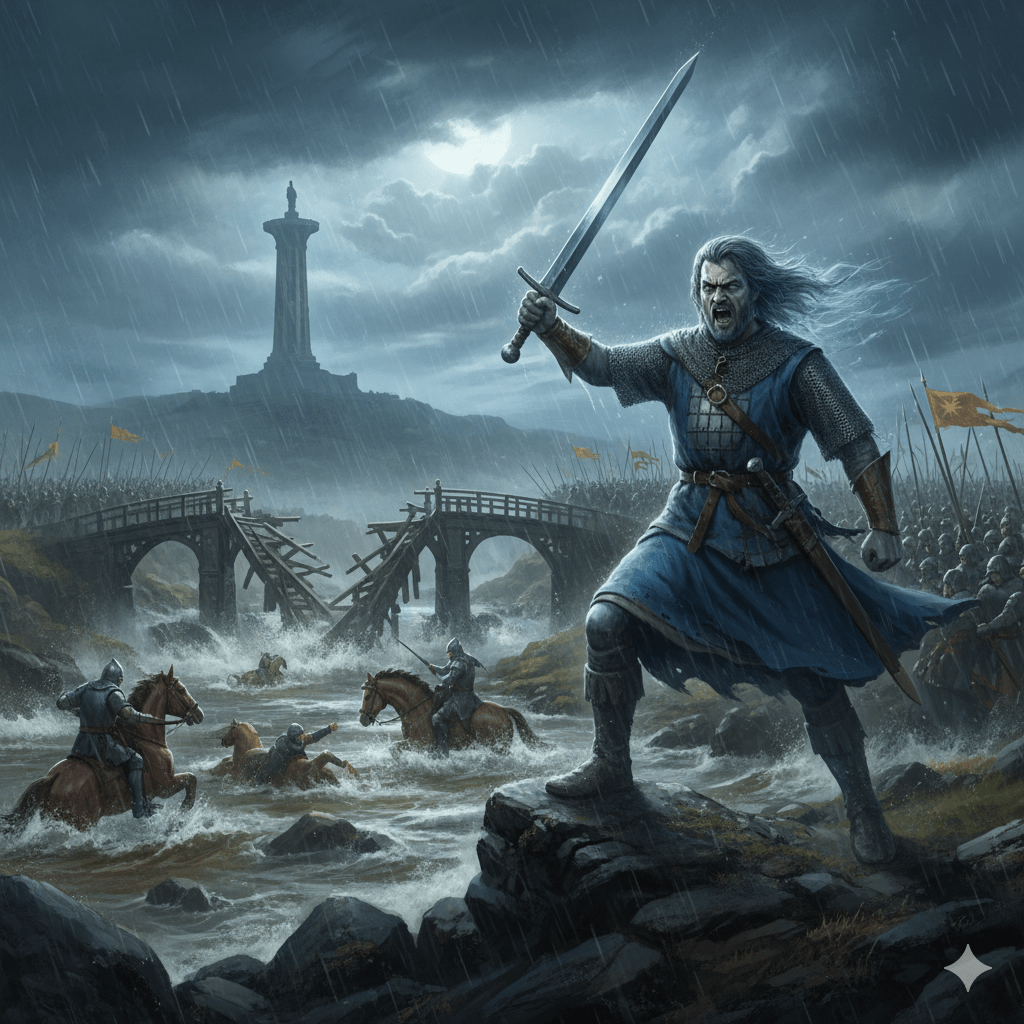
Beyond the Blue Paint: The Bloody Rise and Martyrdom of William Wallace, the Unyielding Heart of Scotland
-

The Ghost Attack: How a Cloudy Radar Screen Sparked the Vietnam War
-

The Peasant Who Crowned a King: The Miraculous Rise and Tragic Fall of Joan of Arc
-

Atomic Hearts and Cold War Shadows: The Tragic Spy Saga of the Rosenberg’s
- March 2026
- February 2026
- January 2026
- December 2025
- November 2025
- October 2025
- September 2025
- August 2025
- July 2025
- June 2025
- May 2025
- April 2025
- March 2025
- February 2025
- January 2025
- December 2024
- November 2024
- May 2024
- April 2024
- March 2024
- February 2024
- January 2024
| M | T | W | T | F | S | S |
|---|---|---|---|---|---|---|
| 1 | ||||||
| 2 | 3 | 4 | 5 | 6 | 7 | 8 |
| 9 | 10 | 11 | 12 | 13 | 14 | 15 |
| 16 | 17 | 18 | 19 | 20 | 21 | 22 |
| 23 | 24 | 25 | 26 | 27 | 28 | 29 |
| 30 | 31 | |||||
 History in 5 Minutes or less