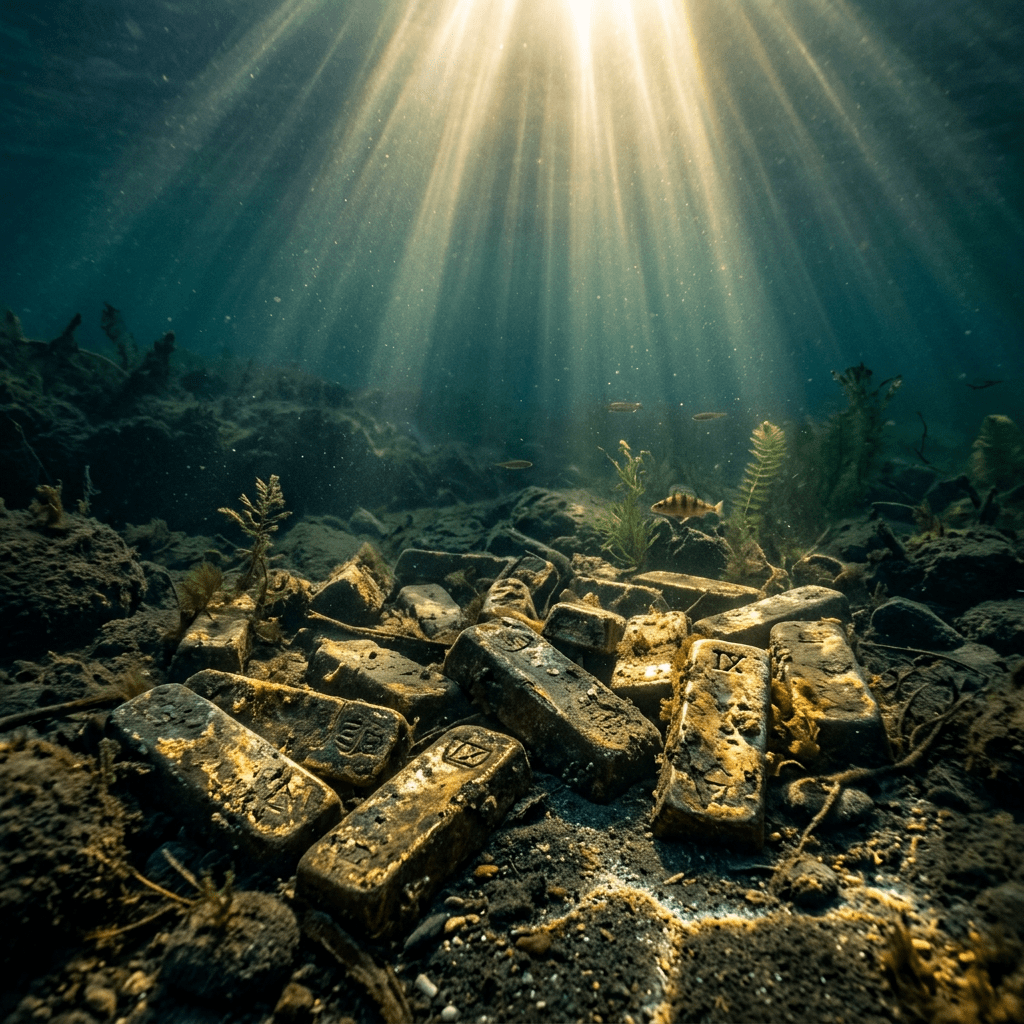
Would you willingly drown under the weight of your own stolen riches?
On the midnight fringe of July 1, 1520, hundreds of Spanish conquistadors chose exactly that fate. They filled their pockets, armor, and saddlebags with so much plundered Aztec gold that when they tried to flee across the broken canals of Tenochtitlan, they sank straight to the bottom like stones. History records this disastrous retreat as La Noche Triste—The Night of Sorrow.
But let’s rewind a second. The real mystery isn’t the gold that sank into the mud that night. The real mystery is the far greater fortune that vanished right out from under the invaders’ noses—a hoard of gold, silver, and priceless gems valued today at upwards of $3 billion.
For five centuries, the ultimate destination of Emperor Montezuma’s lost treasure has been the holy grail of treasure hunters. While mainstream historians insist it was lost forever in the ruins of Mexico City, a legendary trail of clues stretches all the way into the wind-scoured red rock canyons of the American Southwest.
The Birth of the Hoard: Tenochtitlan
When Hernán Cortés and his iron-clad companions marched into the Aztec capital of Tenochtitlan in late 1519, they couldn’t believe their eyes. Floating atop Lake Texcoco, the Aztec city was a metropolis of grand stone temples, vibrant markets, and engineering marvels.
Emperor Montezuma II initially welcomed the mysterious foreigners, presenting them with elaborate gifts of gold and silver in hopes of satisfying their desires or discerning their intentions.
It was a catastrophic miscalculation. Rather than appeasing the Spanish, the dazzling display only inflamed their greed. Within a matter of weeks, Cortés took Montezuma prisoner within his own palace, turning the emperor into a puppet ruler.
During his captivity, the conquistadors forced Montezuma to command his subjects to bring forth their wealth, filling entire chambers with royal jewelry, status symbols, and heavy gold bars.
By the summer of 1520, the local population reached its breaking point. Open revolt erupted, and Montezuma was killed in the chaos—the Spanish claim he was stoned by his own angry subjects, while Aztec accounts insist the Spaniards murdered him. Trapped inside the palace and surrounded by thousands of furious warriors, Cortés ordered his men to pack up the royal treasury and make a break for it under the cover of a rainy night.
The Ghostly March North
The retreat was a slaughter. Aztec warriors swarmed the canals in war canoes. In their panic, Spanish soldiers dropped massive gold bars into the dark waters. The bodies of men and horses piled up so high in the gap of the causeway that survivors literally ran across the heap to escape.
Cortés survived, but the gold was gone. When he returned a year later with an army of native allies to utterly raze Tenochtitlan to the ground, he demanded to know where the rest of the imperial treasure was hidden. Despite torturing the new Aztec leaders, the Spanish never found the motherlode.
This is where history gives way to a sprawling, centuries-old legend.
According to folk tales and oral traditions, the moment Montezuma was taken hostage, deep preparations began. A loyal vanguard of thousands of Aztec warriors and bearers allegedly assembled the empire’s remaining spiritual and material wealth. Moving stealthily under the cover of night, this massive caravan began an epic march north.
Their destination? Aztlán, the mythical ancestral homeland of the Aztec people, which many modern believers place somewhere in the desert Southwest of the United States.
The legend says that deep in the desert, they carved a labyrinth of subterranean chambers, stashed the golden artifacts, sealed the entrance, and sacrificed the slaves who dug the vaults so their spirits would guard the treasure for eternity.
The Madness of Freddy Crystal
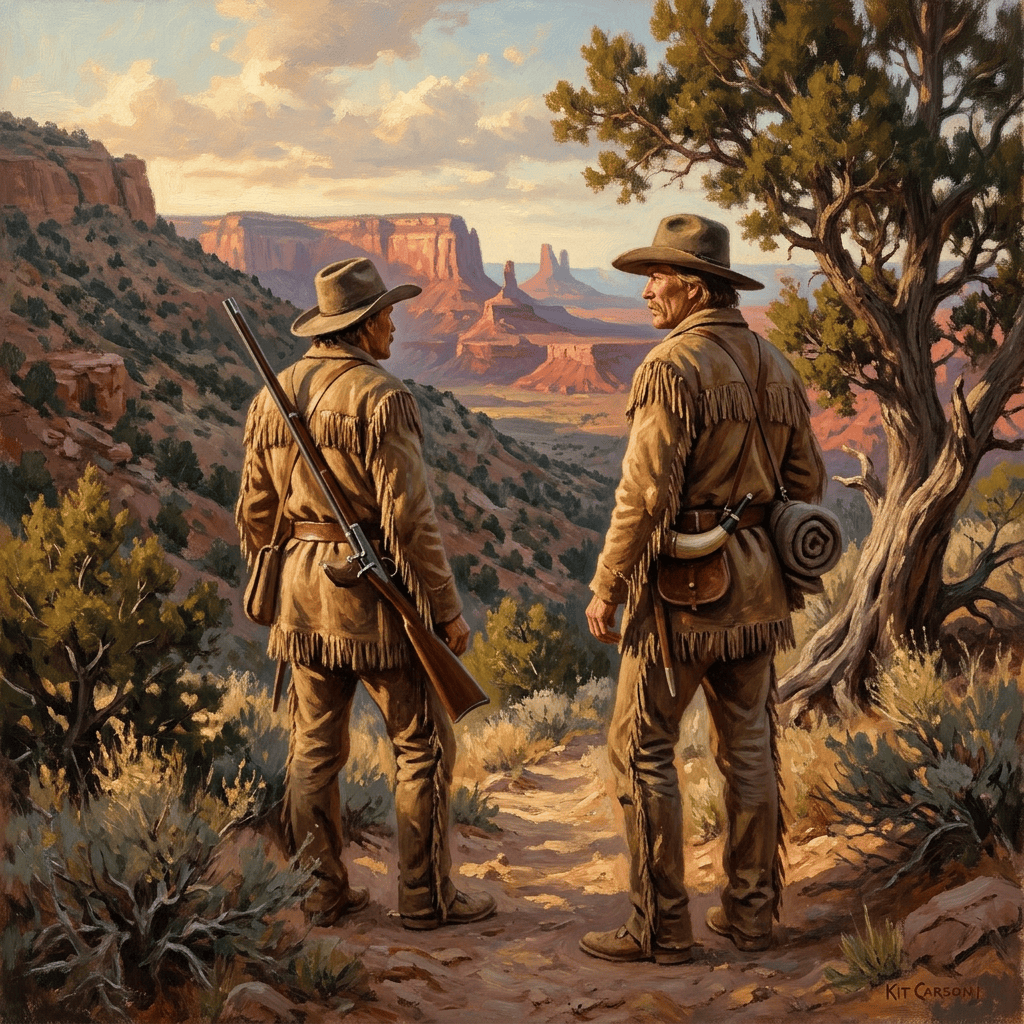
Fast forward nearly four centuries to the year 1914. A soft-spoken, intense prospector named Freddy Crystal arrived in the small, isolated town of Kanab, Utah. He wasn’t looking for standard gold veins; he was looking for Montezuma’s specific treasure house.
Crystal claimed that while researching in old monastic archives in Mexico, he had uncovered a century-old manuscript containing a hand-drawn map. The map featured ancient Aztec petroglyphs and a topography that perfectly mirrored the distinct white and red sandstone cliffs surrounding Kanab.
For eight lonely years, Crystal combed the rugged canyons of southern Utah, comparing the old map to the ridges and bluffs. The locals thought he was completely unhinged—until 1922.
High up on a cliff face in nearby Johnson Canyon, Crystal discovered a series of ancient steps carved directly into the sheer face of the Navajo sandstone. At the top of the stairs sat a hidden cave entrance, blocked by an intricate wall of old stone and mortar.
Crystal scraped at the mortar with his pocket knife, realizing it wasn’t a natural rock formation, but a man-made barrier. He rushed back into town and broke the news.
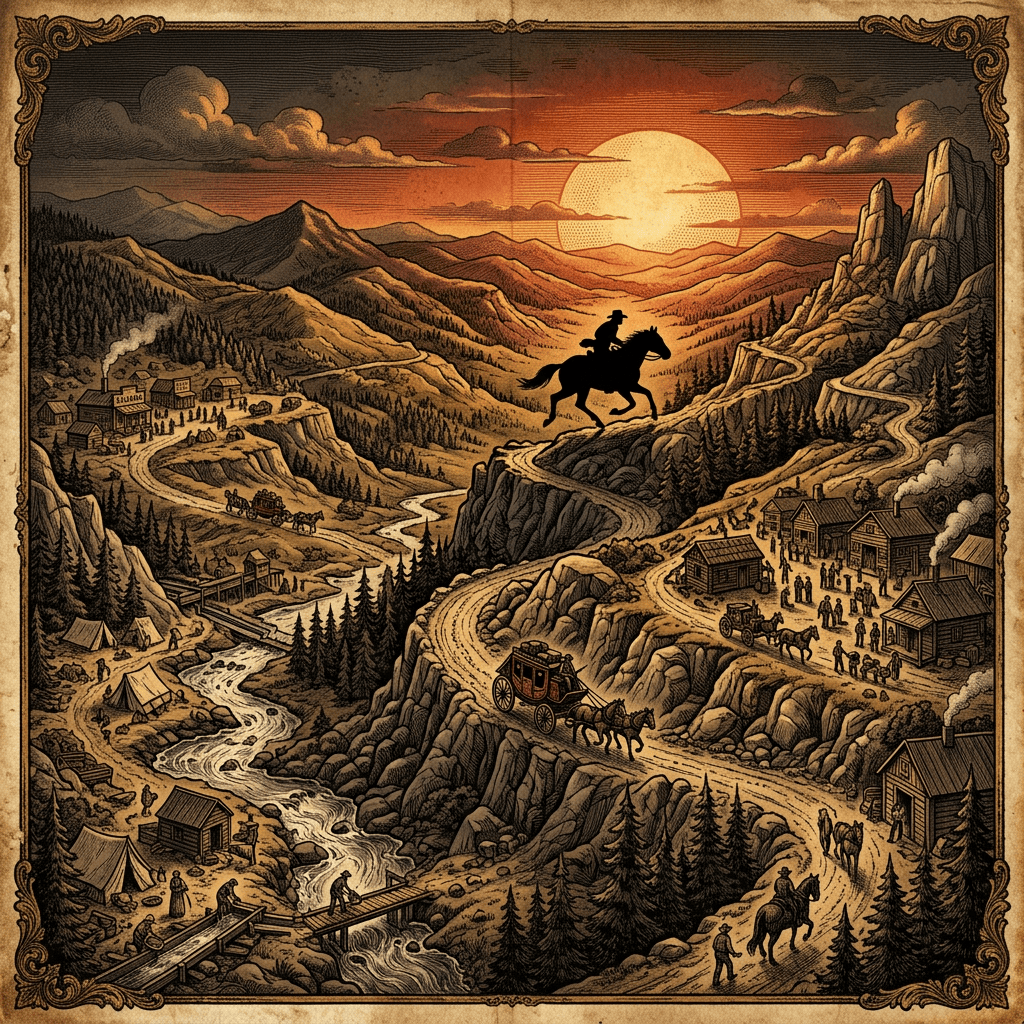
Gold fever instantly infected Kanab. Within days, the town practically emptied out. The mayor, the city council, the local bankers, and the farmers all grabbed shovels, picks, and dynamite, marching out to Johnson Canyon to strike it rich.
For months, the townspeople worked in shifts, clearing a massive, sand-filled labyrinth of tunnels. They uncovered ancient artifacts, charcoal deposits, and bones, along with terrifying, bottomless pit traps designed to plunge intruders to their deaths.
Yet, when they finally broke through the final limestone plug into the main cavern, the room was empty. There were no golden sun discs, no mountains of jewels—only a few animal bones and shattered pottery pieces. Defeated, exhausted, and deeply embarrassed, the townsfolk packed up and went home. Freddy Crystal quietly disappeared from Utah, never to be heard from again.
The Legend Submerges: Three Lakes
The failure at Johnson Canyon didn’t kill the legend; it just shifted the coordinates.
Decades later, a local Kanab resident named Brandt Child—who had witnessed the 1922 gold rush as a young boy—proposed a new theory. He believed Freddy Crystal had found the right system, but fell for an elaborate Aztec diversion.
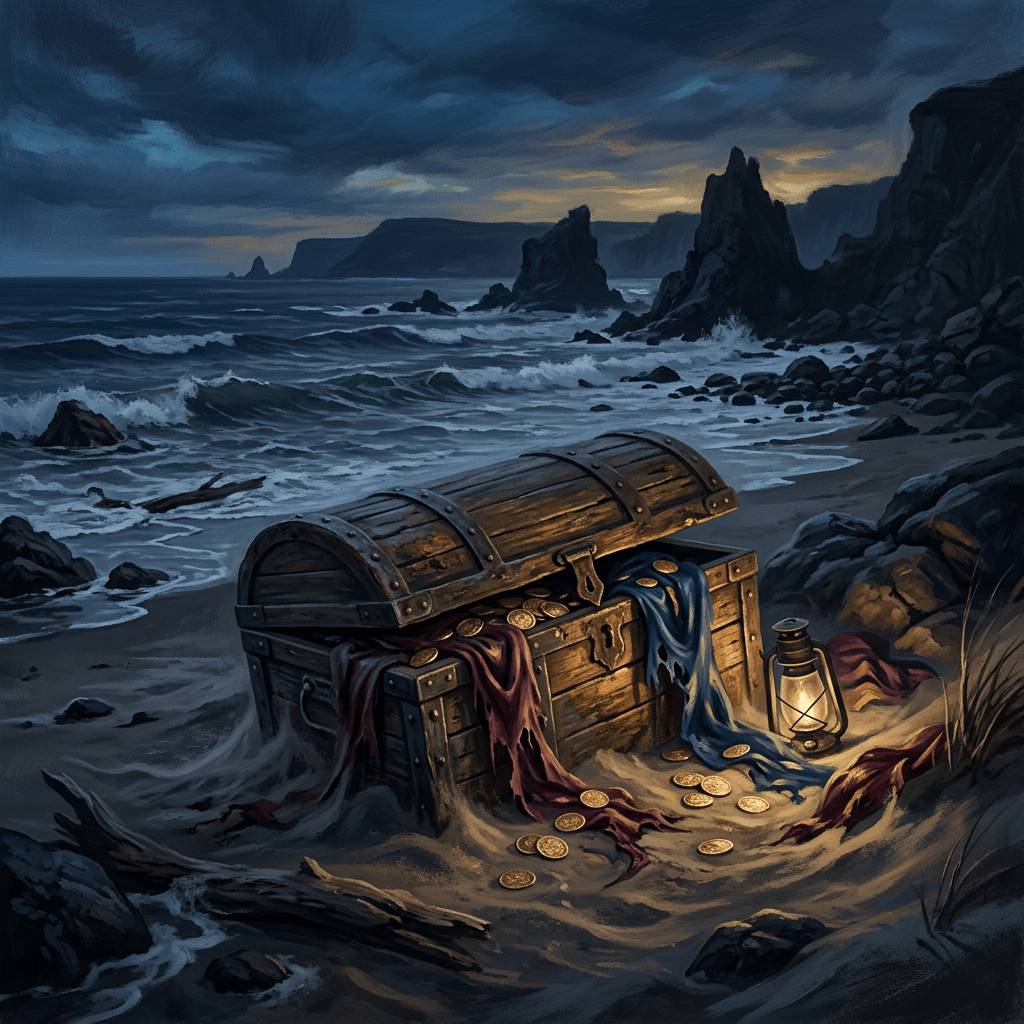
Child argued that the real treasure lay just a few miles away, buried under a property known as Three Lakes—a series of deep, spring-fed ponds nestled against a massive red cliff. He believed the Aztecs had intentionally engineered a water trap, sinking the treasure deep into a submerged cavern system beneath the lakes to keep it safe from looters
In 1989, Child bought the Three Lakes property to test his theory. He brought in ground-penetrating radar and seismic equipment, which revealed a series of large, hollow caverns sitting roughly 35 feet beneath the water’s surface.
When his team drilled a narrow test hole down into one of the subterranean chambers, Child claimed the drill bit returned to the surface dusted with small specks of gold.
But every time they tried to send down divers or cameras to confirm what was down there, disaster struck. Professional dive teams reported that the water was so choked with fine, blinding silt that visibility dropped to absolute zero within seconds. Worse, divers claimed to experience severe, inexplicable disorientation and a terrifying sense of dread, forcing them to abandon the project.
Whispers of the ancient Aztec curse swept through the region. The legend gained an eerie exclamation point in 2002 when Brandt Child was tragically killed in a car accident. For many locals, it was definitive proof that the guardians of Montezuma’s gold were still actively protecting their hoard.
Why This Still Matters
The enduring obsession with Montezuma’s gold is about far more than just getting rich quick. It highlights a profound cultural intersection between European colonial greed, Indigenous resistance, and the romantic storytelling traditions of the American West.
From a historical perspective, the hunt for the treasure serves as a stark reminder of the cultural devastation wrought by the Spanish Conquest. When Cortés leveled Tenochtitlan, he didn’t just look for gold; he systematically destroyed temples, burned royal libraries, and shattered an empire’s material history. The missing gold has become a symbol of everything that was taken from the Indigenous peoples of the Americas—and a poetic hope that a piece of that magnificent civilization survived out of reach of its conquerors.
Furthermore, the story demonstrates the immense power of folklore. The fact that a town in rural Utah would completely abandon its daily operations to dig out a cave based on an amateur prospector’s old map shows how deeply embedded the mythology of the “Lost West” truly is. We want the world to be full of hidden wonders, secret histories, and ancient mysteries waiting just over the next ridge.
Whether the treasure rests at the bottom of a murky lake in Utah, under the foundations of modern Mexico City, or entirely in our collective imagination, the legend of Montezuma’s gold continues to captivate us because it keeps the spirit of adventure alive.
Sources
- Díaz del Castillo, Bernal. The True History of the Conquest of New Spain. (Primary source accounts of the Spanish arrival in Tenochtitlan).
- Discovery Channel Mysteries: “What Happened to Montezuma’s Treasure?”
- Utah State Historical Society archives regarding the 1922 Freddy Crystal excavation in Kanab.
- National Park Service / Casa Grande Ruins National Monument historic legend records.


Leave a Reply